
Dolphins are highly intelligent marine mammals, members of the same group as whales, found in oceans and some rivers around the world. Playful, social, and remarkably clever, they have long held a special place in human affection and are among the most studied and beloved animals in the sea.
Though they live in water and look fish-like, dolphins are mammals: they breathe air through a blowhole, are warm-blooded, give birth to live young, and nurse their calves with milk. Their sleek, streamlined bodies and powerful tails make them fast, agile swimmers, and they must surface regularly to breathe.
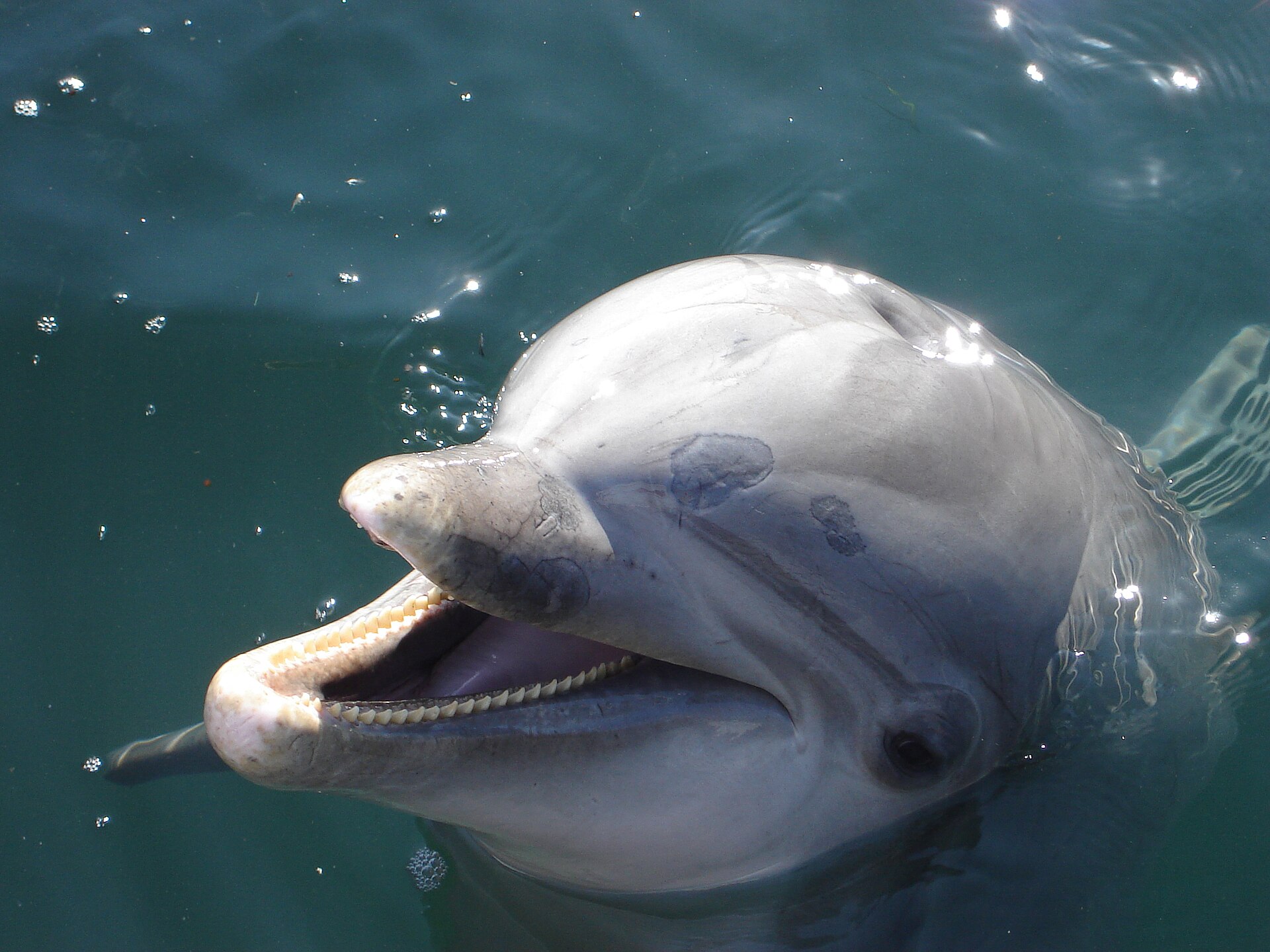
There are many species of dolphin, from the familiar bottlenose to the orca, or killer whale, which is the largest dolphin of all. They range in size from animals little longer than a person to the great orca, and they live everywhere from tropical seas to cold coastal waters, with a few species making their home in rivers far from the ocean.
Dolphins navigate and hunt using echolocation, a remarkable biological sonar. They send out rapid clicks and listen for the echoes that bounce back from objects around them, building up a detailed picture of their surroundings, including the size, shape, and even internal structure of prey, in murky water or total darkness. Alongside this they use a rich variety of whistles to communicate, and each dolphin even has its own "signature whistle," a kind of name.
Dolphins are among the most intelligent of all animals. They live in cooperative social groups called pods, hunt together using coordinated strategies, use tools such as sponges to protect their snouts while foraging, and can recognise themselves in a mirror, a sign of self-awareness shared by few species.

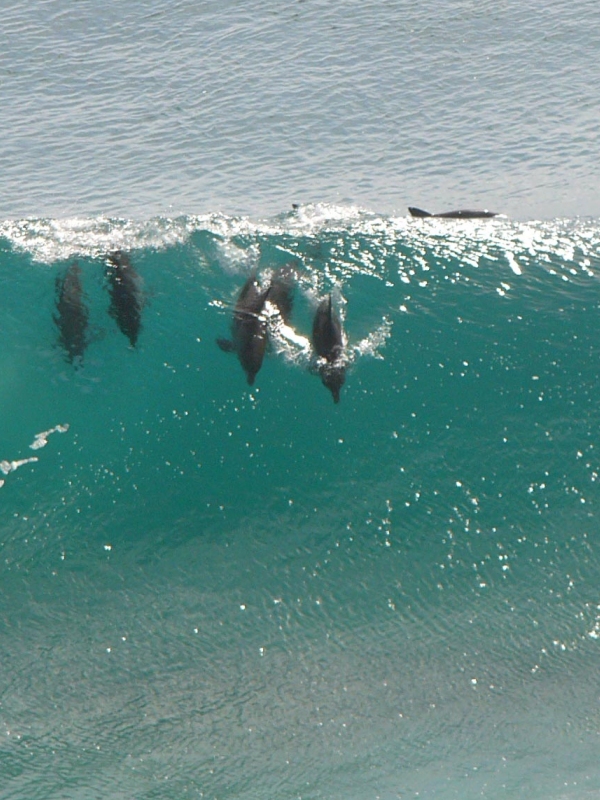
Few animals are as playful as dolphins. They ride the bow waves of boats and the crests of ocean swells, leap and somersault clear of the water, and toss seaweed and other objects about in what looks unmistakably like games. This exuberant play, and their apparent curiosity about humans, are part of what has made them so beloved.
Humans and dolphins have a long and mostly warm relationship, from ancient legends of dolphins rescuing sailors to modern encounters in the wild. Their intelligence and friendliness have made them favourites in stories and aquariums alike, though keeping such intelligent, wide-ranging animals in captivity is increasingly questioned.
