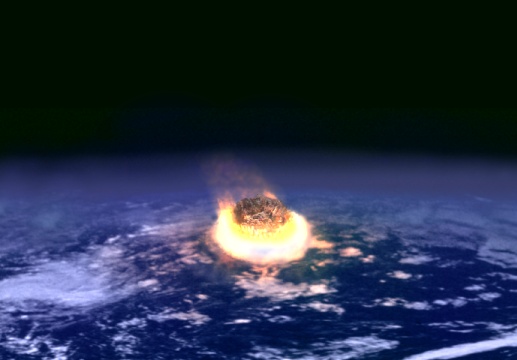
Around sixty six million years ago, the dinosaurs and many other forms of life suddenly vanished in one of the great mass extinctions in Earth's history. What caused this catastrophe has been debated for decades, and while one culprit now leads, the full story is still contested.
The extinction marked the end of the long age of dinosaurs, wiping out not only the great land reptiles but also the flying pterosaurs, the marine reptiles, and vast numbers of other species on land and in the sea. Whatever happened was global and astonishingly abrupt in geological terms.
The disaster was a turning point for life. With the dominant reptiles gone, the small mammals that had lived in their shadow were free to grow, diversify, and spread, eventually giving rise to the great variety of mammals, and ultimately to humans. We may owe our existence to whatever killed the dinosaurs.
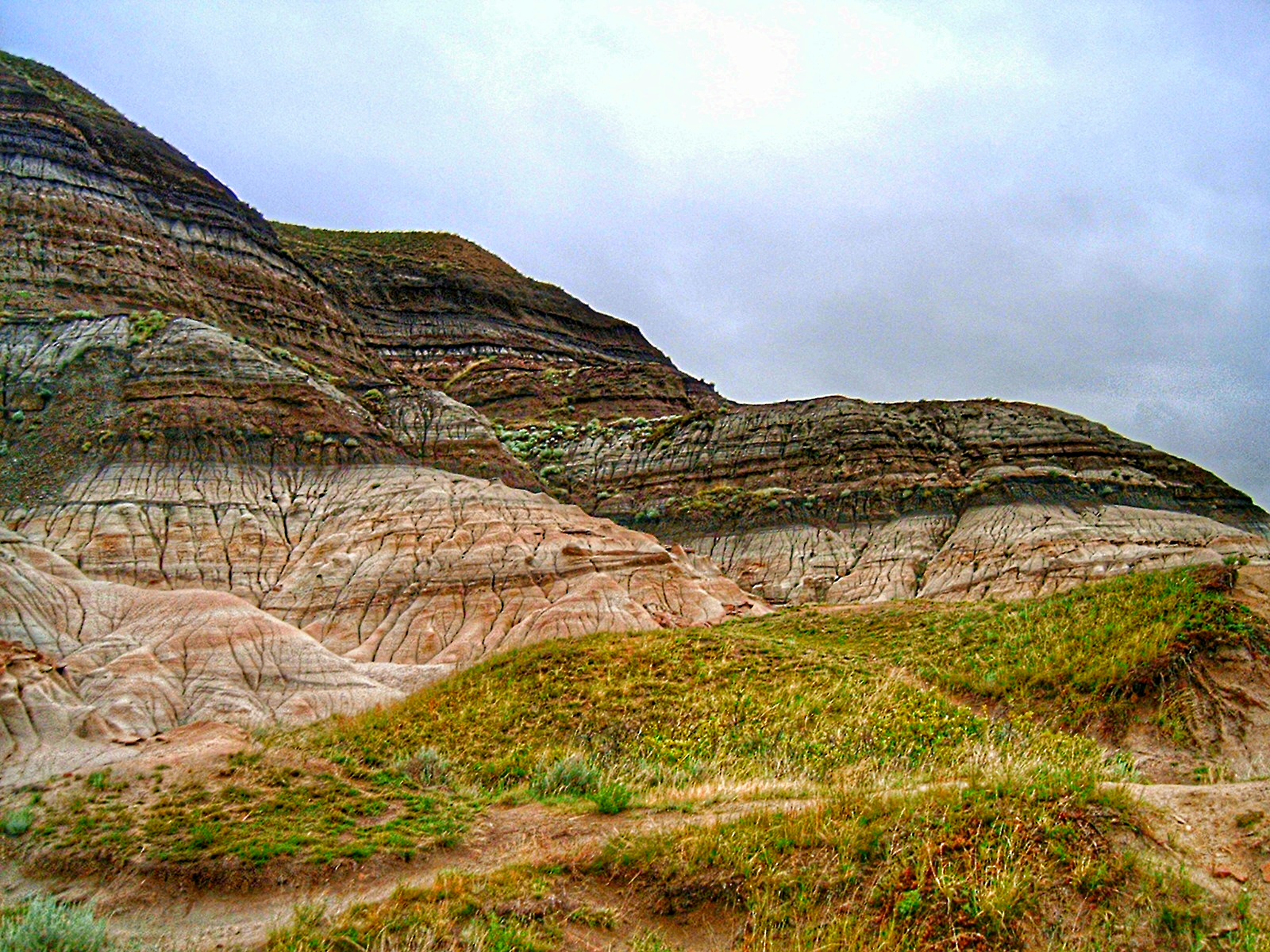
The extinction left a distinct marker in the layers of rock around the world, a thin band that separates the age of dinosaurs from what came after. This worldwide layer is rich in iridium, an element rare on Earth's surface but common in asteroids, a clue that would prove crucial.
The most widely accepted cause is the impact of a massive asteroid or comet, roughly ten kilometres across, which struck what is now the Yucatán Peninsula in Mexico. A buried crater of the right age and enormous size, called Chicxulub, marks the spot, matching the worldwide iridium layer.
Such a collision would have unleashed fires, earthquakes, and tsunamis, and thrown so much dust and soot into the sky that the Sun was blotted out for months or years. In the resulting cold and darkness, plants would have failed, and the food chains that depended on them would have collapsed.
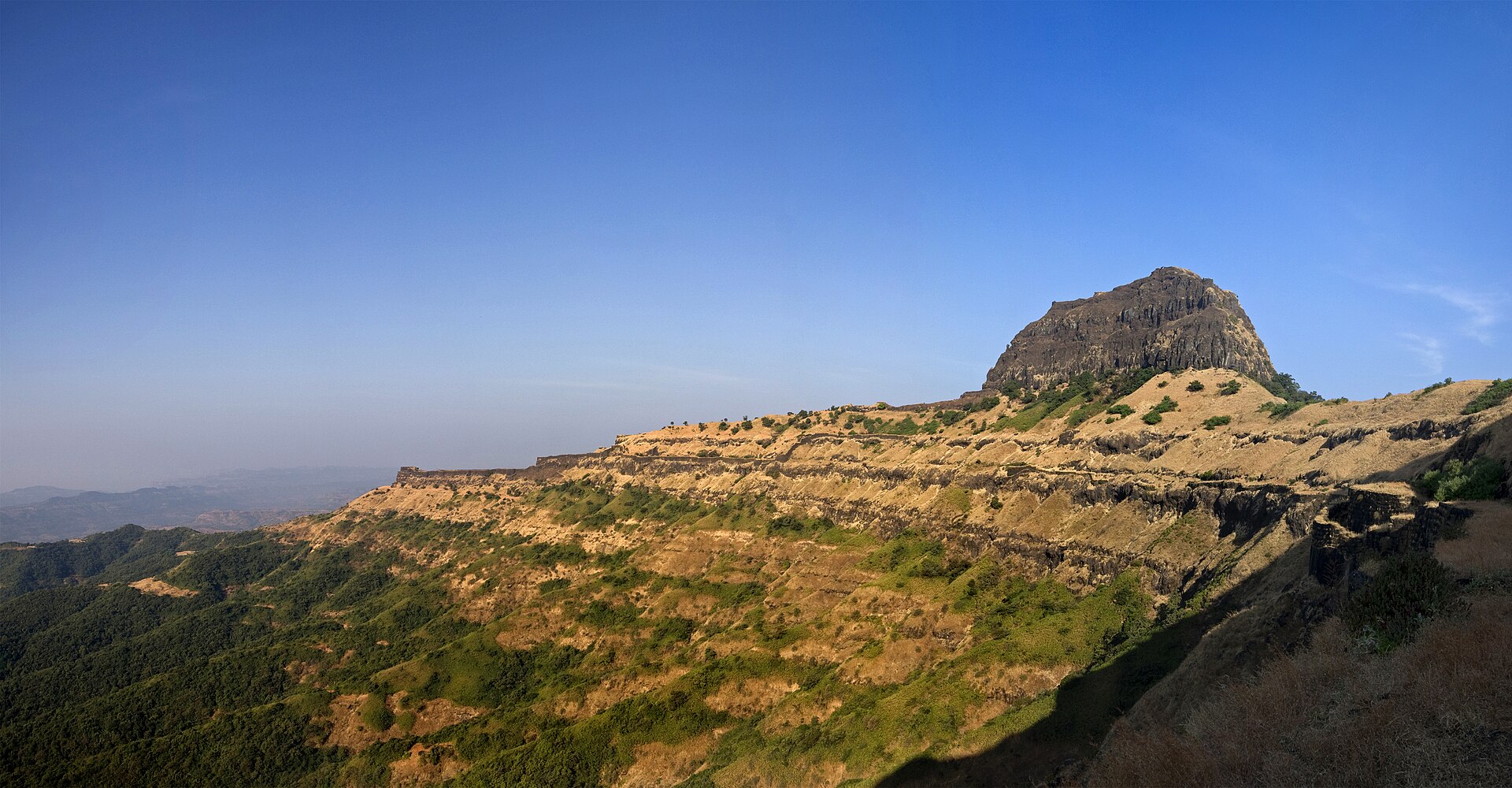
Not everyone agrees the asteroid acted alone. Around the same time, enormous volcanic eruptions in India, known as the Deccan Traps, were pouring out lava across a vast area and releasing gases that could have severely disrupted the climate over a long period, stressing life even before the impact.
Some scientists argue the eruptions were the main cause, while others propose that the asteroid and the volcanism together delivered a devastating double blow, the eruptions weakening ecosystems and the impact finishing them off. The relative importance of each remains hotly debated.
The broad picture, a sudden global catastrophe, is clear, and the asteroid impact is firmly established. But the precise mix of causes, the exact timing of the eruptions, and how much each contributed are still genuinely open questions, making the death of the dinosaurs a debate that endures.
