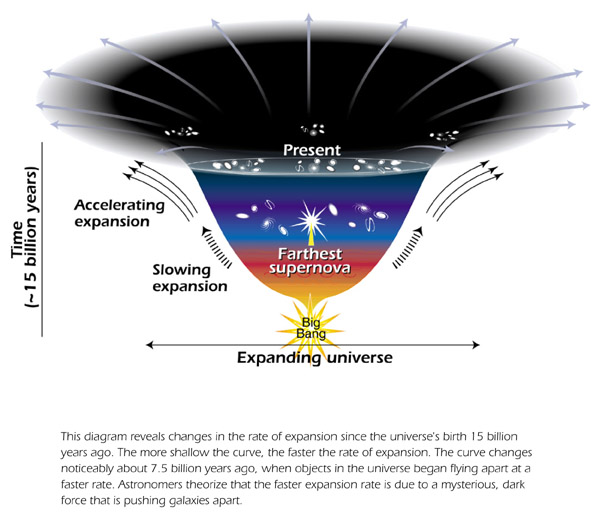
Dark energy is the name given to an unknown influence that appears to be driving the expansion of the universe to speed up over time. It is thought to make up roughly seventy percent of all the energy in the cosmos, and yet what it actually is remains one of the greatest unsolved mysteries in all of science.
In 1998, two independent teams of astronomers studying distant exploding stars made a startling and unexpected discovery. They found that the universe is not merely expanding, but expanding faster and faster, when gravity alone should have been slowing it down.
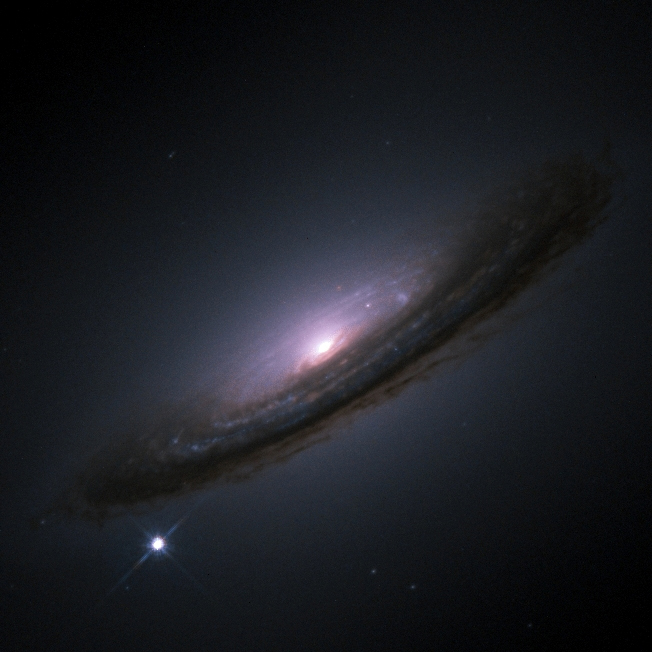
Something is pushing the cosmos apart against gravity's inward pull. The finding was so significant, and so well confirmed by later observations, that it earned the Nobel Prize and reshaped the whole of cosmology, forcing scientists to accept that most of the universe is made of something entirely unknown.
The leading idea is that empty space itself carries a small, constant energy that drives the acceleration, an idea connected to a term Einstein once added, and later regretted adding, to his equations. In this picture, even a perfect vacuum is not truly empty but seethes with a faint, repulsive energy.
The trouble is that when physicists try to calculate this energy of empty space, their prediction disagrees with the observed value by an enormous margin, sometimes described as the worst mismatch between theory and observation in the history of physics. Other proposals suggest a new, slowly changing field, or even that our theory of gravity itself needs revising on the largest scales.
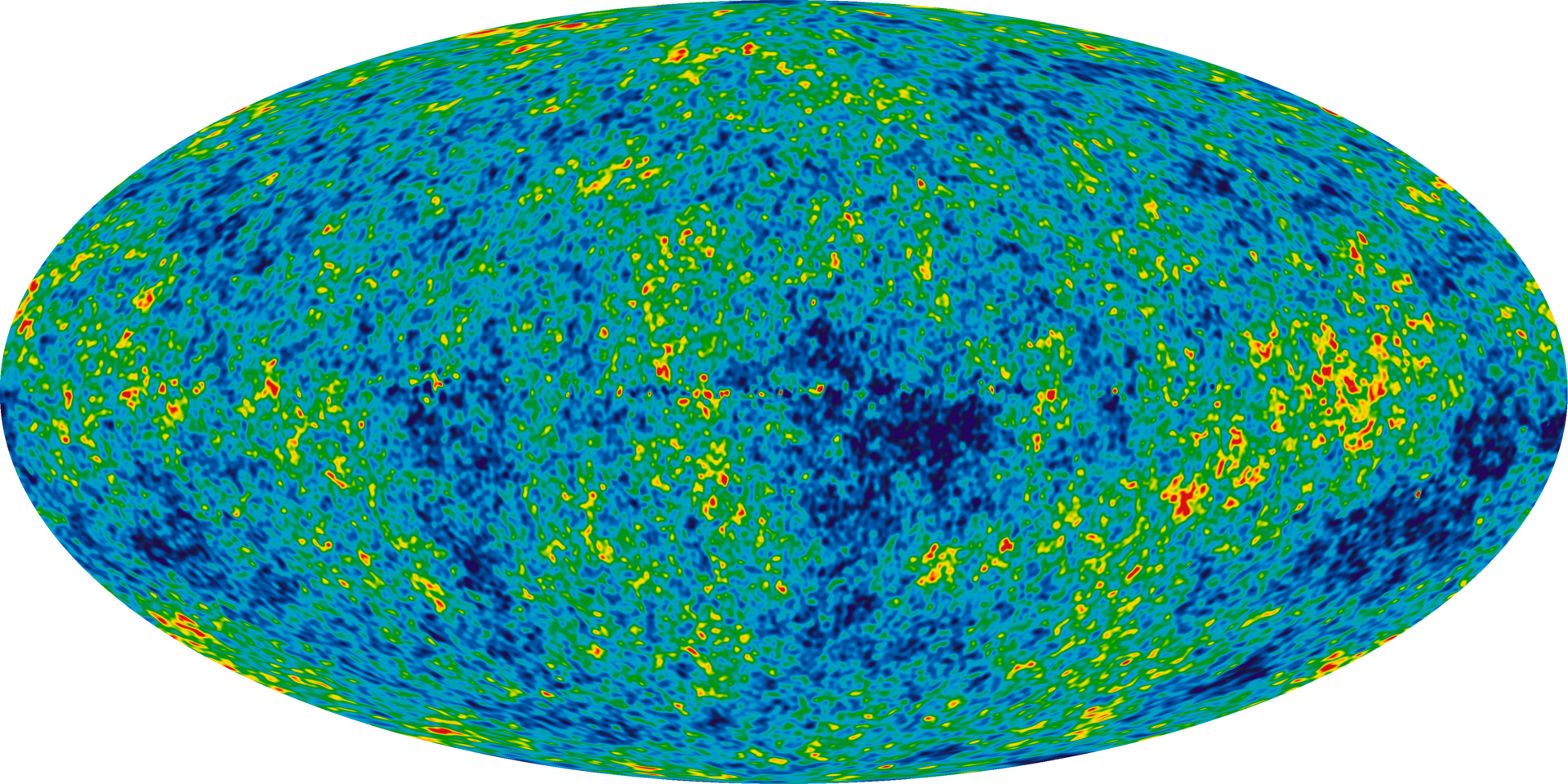
Astronomers probe dark energy not only with exploding stars but also with the faint afterglow of the early universe and the large scale pattern of galaxies. Each independent line of evidence agrees that an accelerating push is real, even as its cause stays hidden.
The honest answer is that nobody knows what dark energy is. Its existence is inferred entirely from its effects on cosmic expansion, not observed directly, and the competing explanations all remain unproven. Understanding it, and the closely related puzzle of dark matter, is among the foremost goals of modern physics, and a reminder of how much about the universe remains genuinely open.
