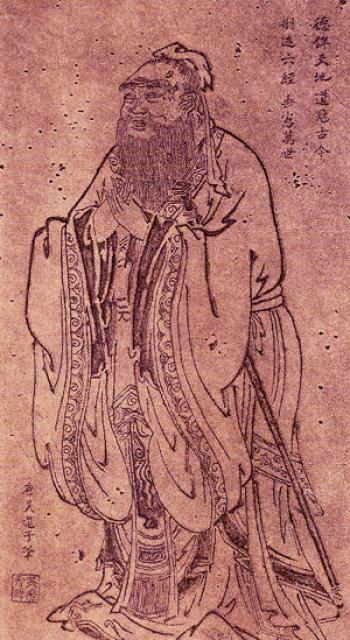
Confucius (551 to 479 BC) was a Chinese philosopher and teacher whose ideas about ethics, family, and good government shaped Chinese civilization for more than two thousand years and remain deeply influential across East Asia.
Confucius lived during a period of disorder and conflict in ancient China, when the old order was breaking down and states warred with one another. Troubled by this chaos, he devoted his life to the question of how society could be made harmonious and well governed, seeking the path back to order and virtue.
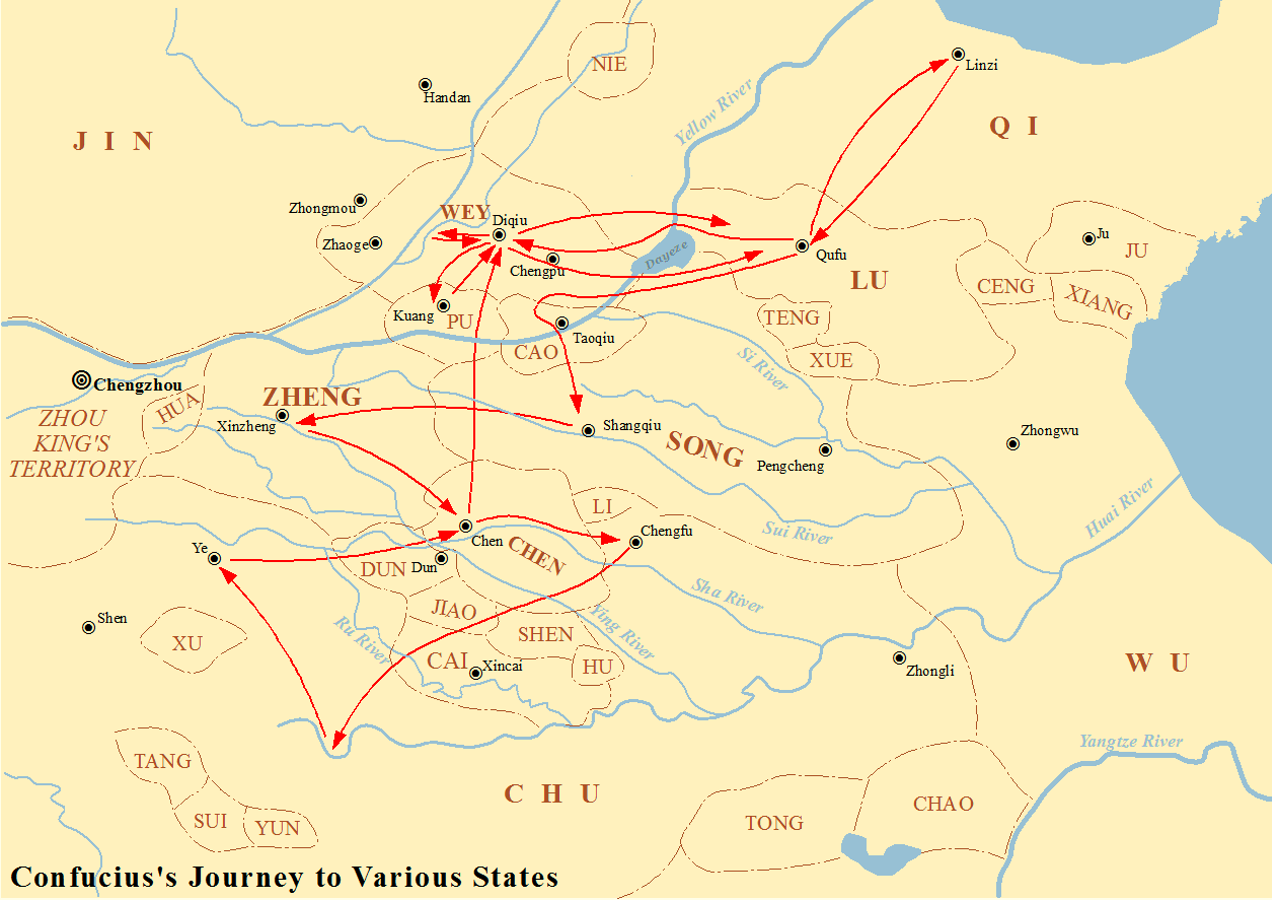
Confucius worked for a time as a government official, but found his ideals frustrated by the corruption and ambition around him. He left office and travelled from state to state, hoping to find a ruler who would put his principles into practice, gathering students along the way. He became, above all, a teacher.
At the centre of Confucius's teaching were virtues such as benevolence, honesty, propriety, and above all respect, especially respect within the family and for elders and tradition. He believed that if people cultivated these virtues and treated one another rightly, society would naturally become harmonious and just.
Confucius taught an early version of the golden rule, advising people not to do to others what they would not want done to themselves. He stressed sincerity, self cultivation, and the importance of ritual and good manners as expressions of inner virtue, holding that personal goodness was the foundation of a good society.
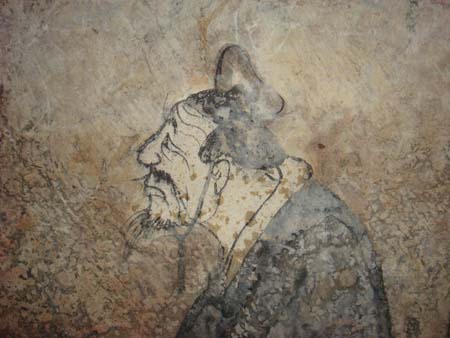
In government, Confucius believed leaders should rule by moral example rather than by harsh laws and punishments. A virtuous ruler, he held, would earn the trust and loyalty of the people through his own good conduct, and the whole society would follow his lead, ordered not by force but by shared values.
Confucius placed great value on learning and lifelong self improvement, believing that anyone could cultivate virtue through study and effort. He championed education and held that character, not birth, should determine a person's worth, ideas that would profoundly shape Chinese society and its long tradition of scholarship.
Confucius did not write a grand book setting out his philosophy. Instead, his sayings and conversations were collected by his followers after his death into a work called the Analects, a compilation of brief, memorable teachings that has been studied and treasured for thousands of years.
In the centuries after his death, his teachings, known as Confucianism, became the foundation of Chinese education, ethics, and government, guiding the conduct of emperors, officials, and families alike. His emphasis on learning, virtue, respect, and social harmony continues to shape cultures across East Asia to this day.
