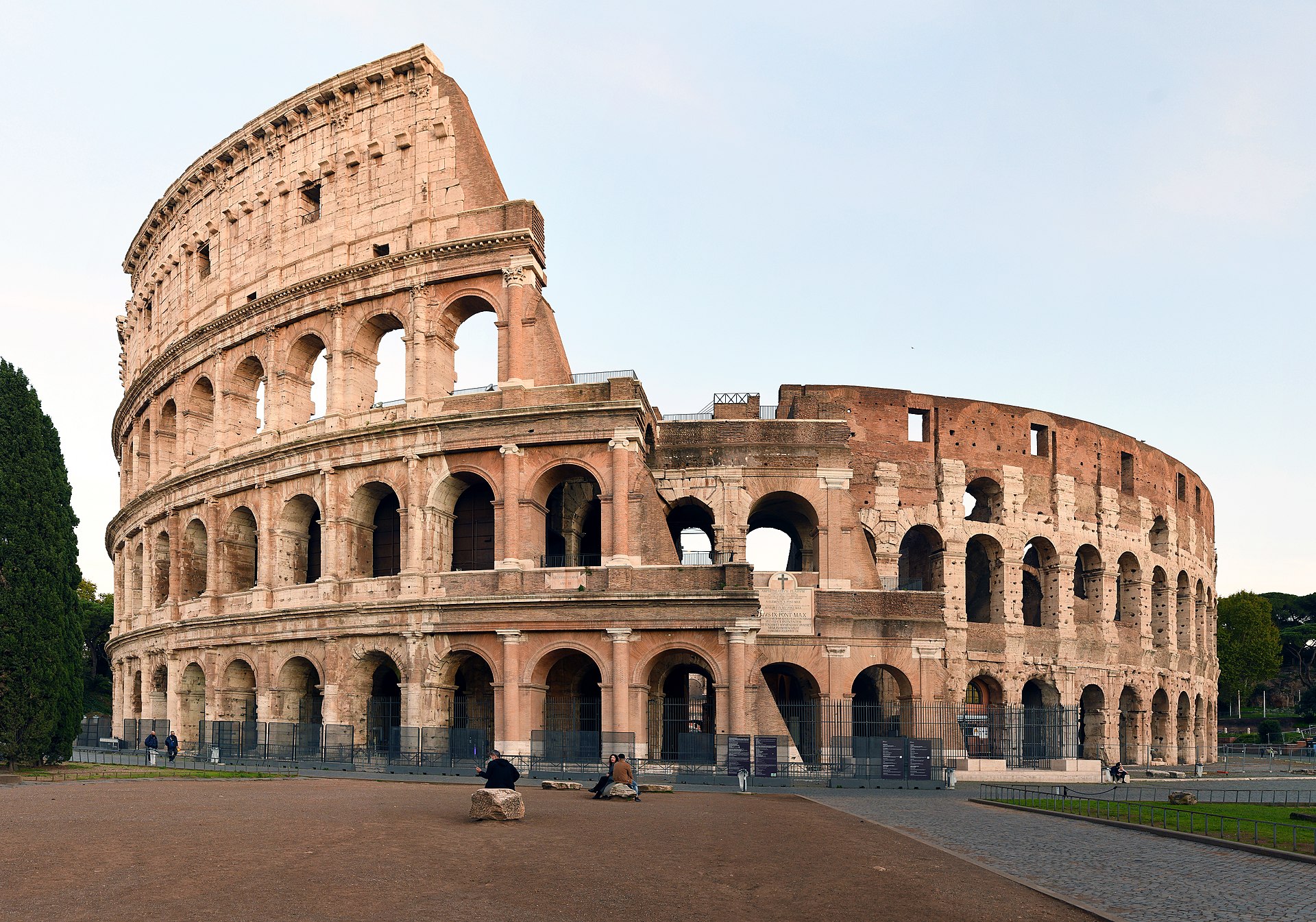
The Colosseum is a giant amphitheatre in the centre of Rome, the largest ever built and one of the most recognisable monuments of the ancient world. Nearly two thousand years after its construction, its weathered arches still draw millions of visitors and stand as a symbol of Imperial Rome at its height.
Construction began around AD 72 under the emperor Vespasian, founder of the Flavian dynasty, on the site of a lake in the grounds of Nero's enormous private palace, a deliberate gift of public entertainment in place of an unpopular emperor's vanity. It was completed in AD 80 by his son Titus, whose inaugural games reportedly lasted a hundred days.
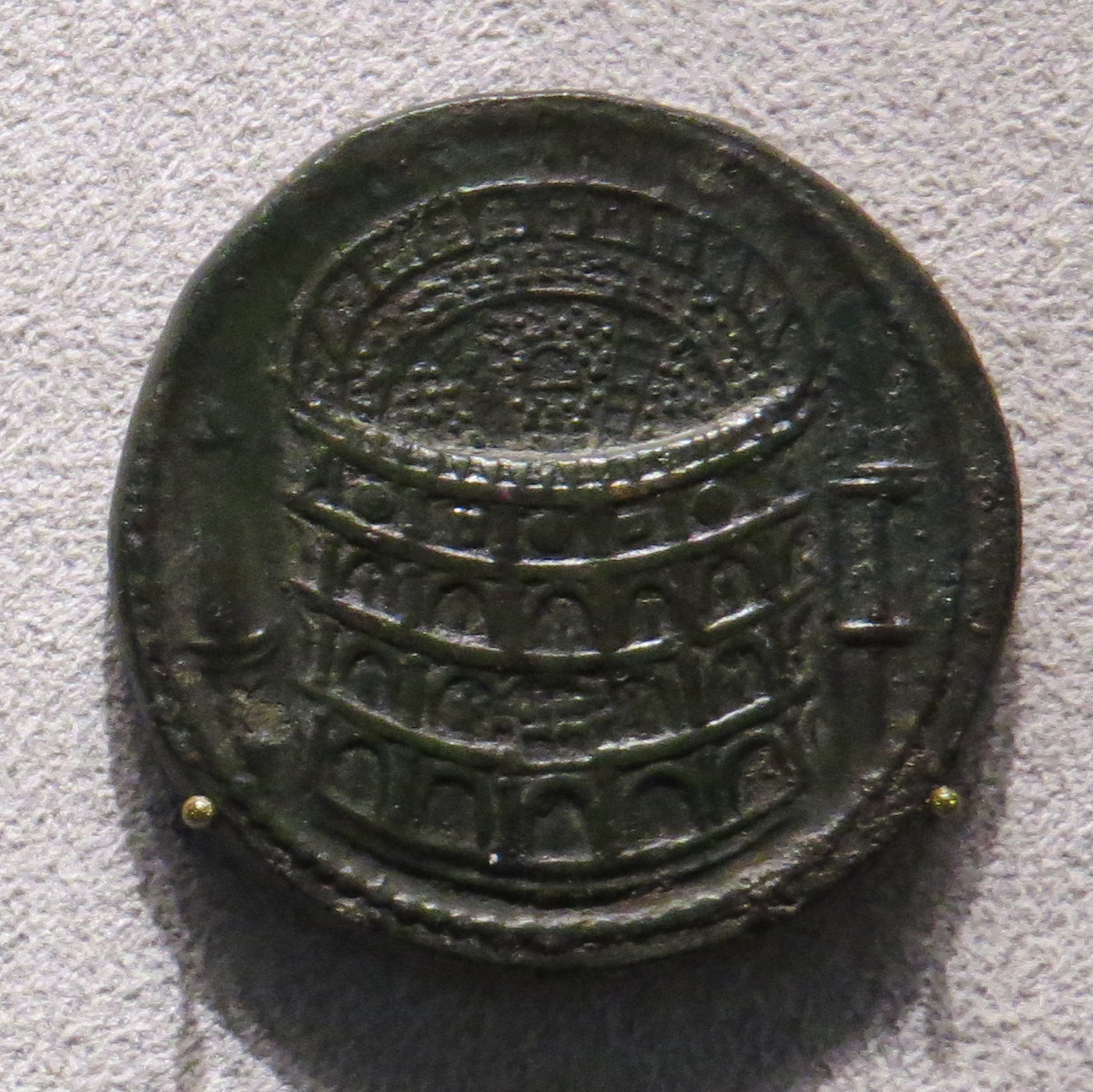
Officially the Flavian Amphitheatre, it could hold an estimated 50,000 to 80,000 spectators, seated strictly by social rank, with the emperor and senators closest to the action and the poorest citizens and women confined to the top tiers. Eighty arched entrances allowed these huge crowds to enter and leave with remarkable speed.
The Colosseum is a masterpiece of Roman engineering, an elliptical structure about 189 metres long and 48 metres high, built of stone, brick, and concrete. A retractable awning, the velarium, could be rigged by teams of sailors to shade the seats from the sun. Its system of arches and vaults, repeated on a colossal scale, distributed the immense weight and became a model for stadium design that endures to this day.
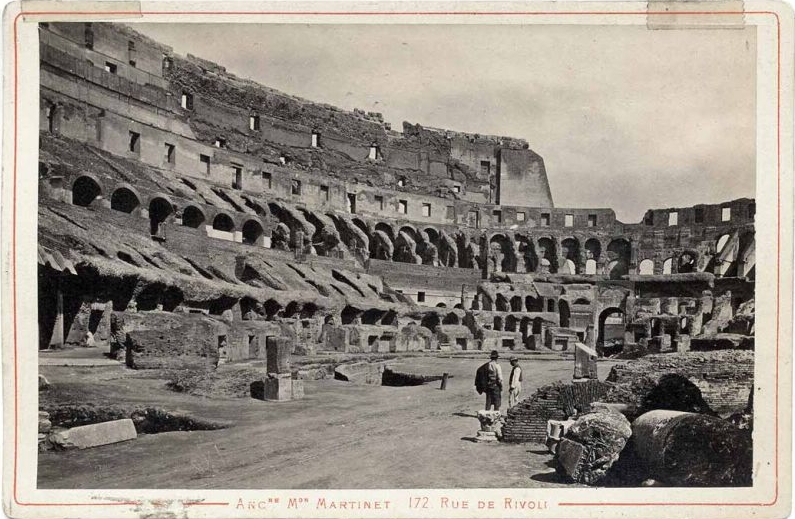
Below the wooden arena floor lay the hypogeum, a two-level maze of tunnels, cages, and lifts where animals and gladiators waited before being hoisted up into the spectacle above. Trapdoors allowed beasts and scenery to appear suddenly, as if from nowhere, to the astonishment of the crowd.
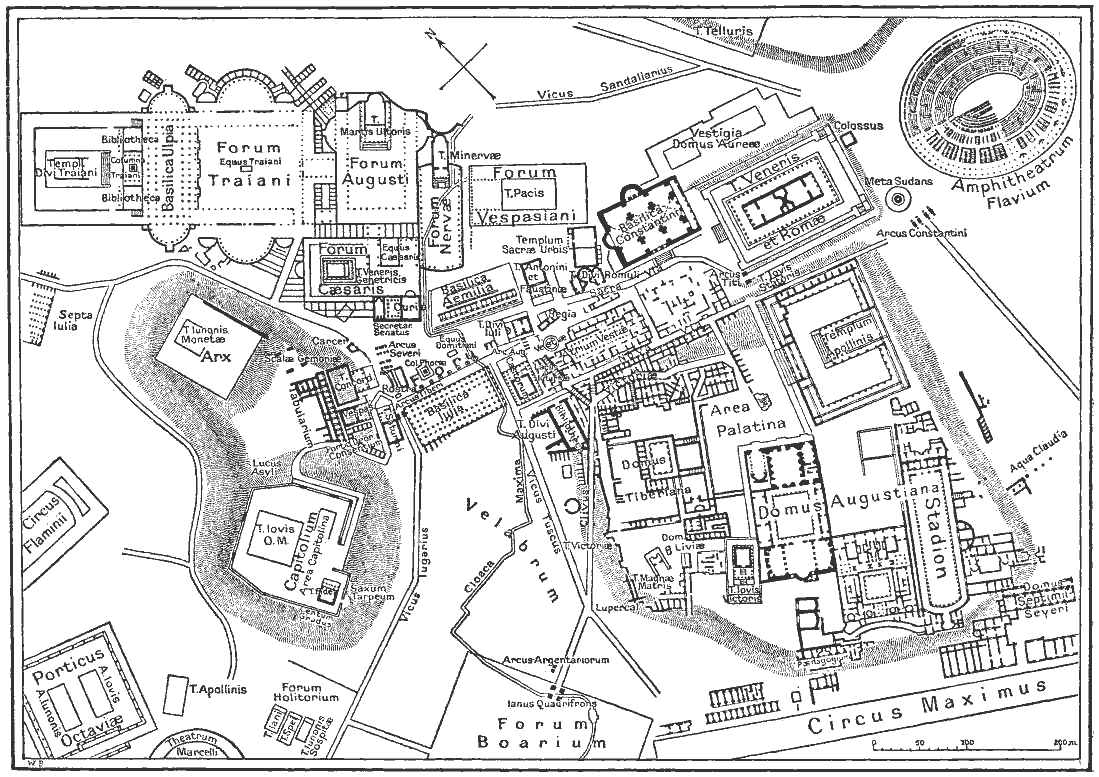
The amphitheatre stood at the very centre of Rome, surrounded by temples, fountains, monuments, and the training schools of the gladiators, woven into the daily life of the ancient capital.
For centuries the Colosseum hosted the brutal public entertainments Rome is infamous for: gladiatorial combat, fights against and between wild animals brought from across the empire, executions, and re-enactments of famous battles. Tens of thousands of people and untold numbers of animals died on its sand. These games were political theatre as much as sport, a way for emperors to display their power and generosity and to keep the population of the capital content.
Gladiatorial games faded out by the early medieval period, and over the centuries the abandoned amphitheatre was damaged by earthquakes and quarried for its stone, which went into palaces, churches, and bridges across Rome. Yet enough survived to make it an enduring emblem of the city. Today it is a protected monument and one of the most visited sites on Earth, a powerful and sobering reminder of both the ambition and the cruelty of the ancient world.
