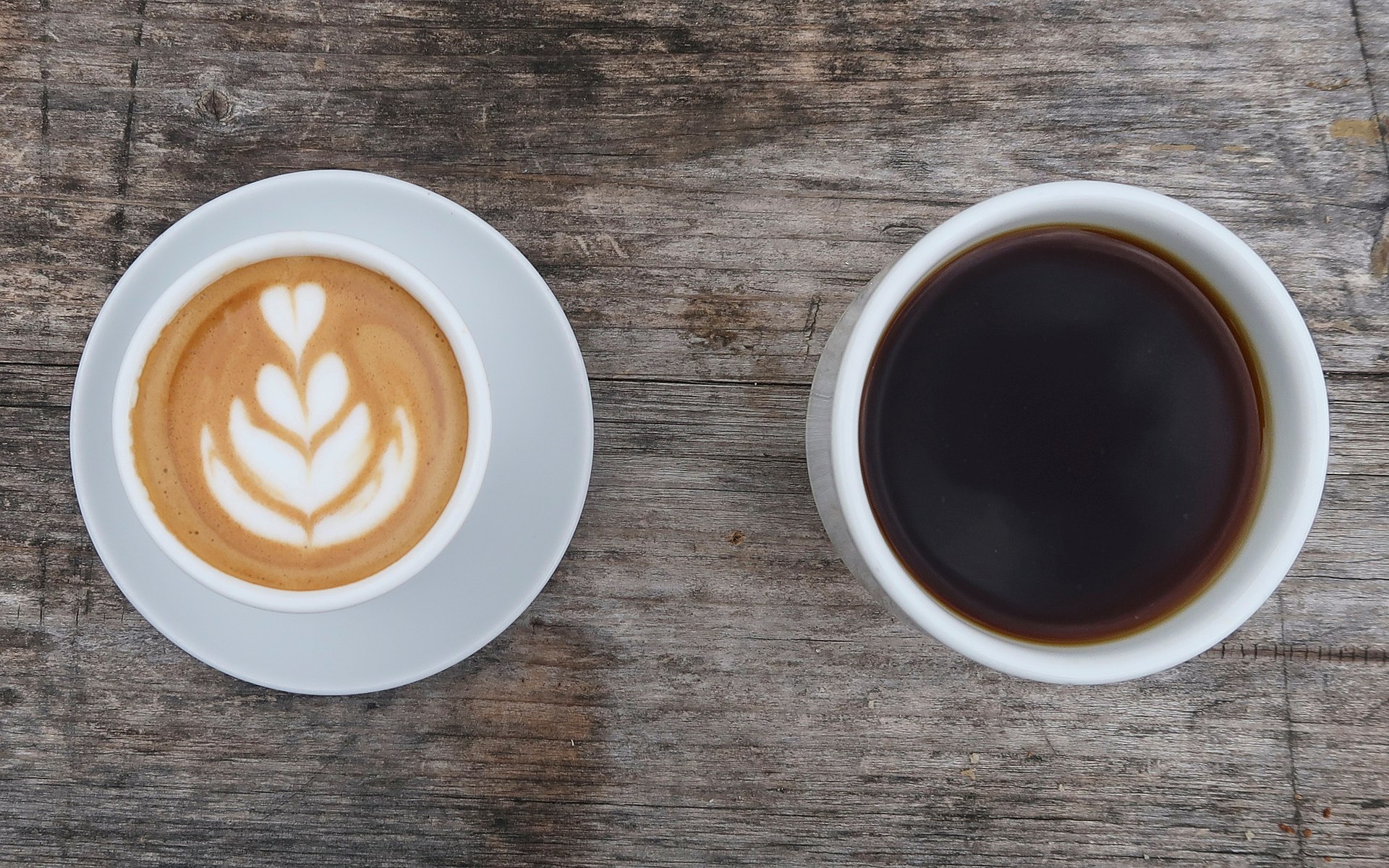
Coffee is a brewed drink made from the roasted seeds of the coffee plant, and one of the most popular and widely traded beverages in the world. Billions of cups are consumed every day, and the trade in coffee shapes the economies of many nations.
Coffee comes from the seeds, or "beans," found inside the bright red fruit of the coffee shrub, which grows best in a warm, mountainous band of regions near the equator. Each fruit usually holds two seeds. After picking, the beans are separated from the fruit, dried, and prepared for roasting, the step that unlocks their flavour.
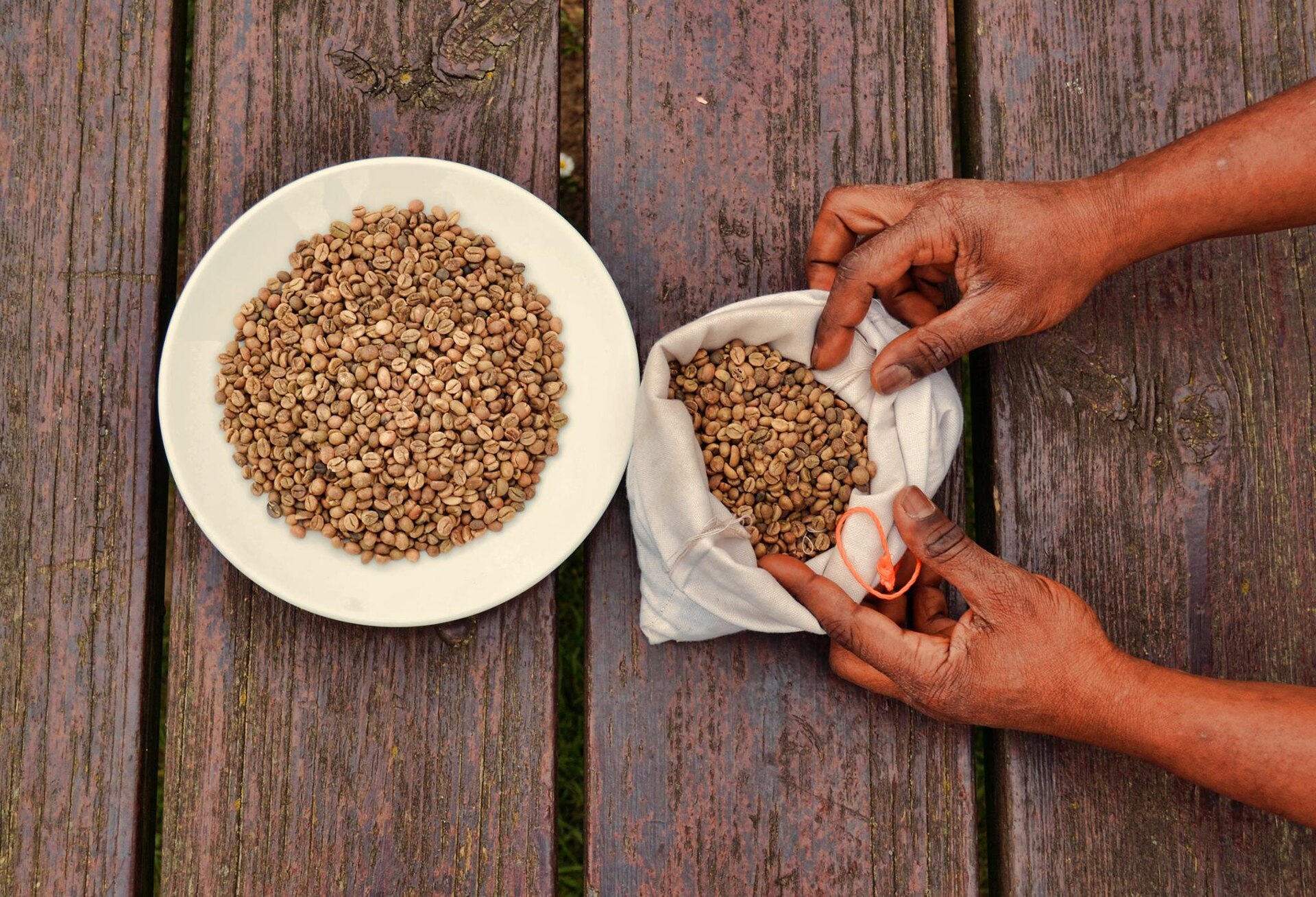
Raw coffee beans are green and nearly flavourless. Roasting them at high temperature triggers chemical reactions that develop the rich brown colour, complex aroma, and characteristic taste we recognize. Lighter roasts keep more of the bean's origin character and acidity, while darker roasts taste bolder and more bitter, a balance every roaster judges by eye, smell, and sound.
Much of coffee's appeal lies in caffeine, a natural stimulant that the plant produces partly to deter pests. In people it blocks the brain signals that cause drowsiness, increasing alertness and reducing the feeling of fatigue. This gentle lift is a major reason coffee became woven into the working rhythms of societies around the world.
Almost all coffee comes from two species. Arabica is prized for its smoother, more complex flavour but is delicate and harder to grow. Robusta is hardier and higher in caffeine, with a stronger, more bitter taste, and is often used in instant coffee and espresso blends. The choice between them shapes the character of the cup.
Coffee was first cultivated in the Arabian Peninsula, and by the fifteenth century it was being brewed in Yemen and drunk across the Muslim world, where it fuelled prayer, study, and conversation. Legend credits its discovery to an Ethiopian goatherd who noticed his goats grew lively after eating the plant's berries.
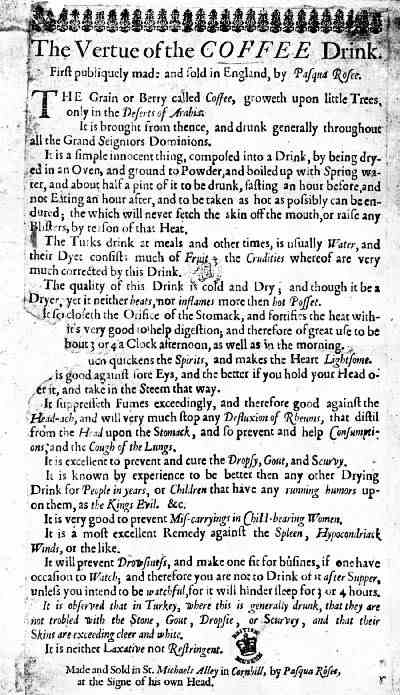
Coffee houses became lively centres of news, business, and debate, first in the Islamic world and then in Europe from the seventeenth century. In London they were nicknamed "penny universities," because for the price of a cup one could join learned conversation. Some great institutions, including insurance markets, grew out of these gatherings.
From the Arabian Peninsula, coffee spread to colonial plantations across the Americas, Africa, and Asia, often grown with forced or poorly paid labour. Today coffee is one of the most valuable agricultural exports on Earth, grown chiefly by millions of small farmers in tropical countries whose livelihoods rise and fall with its price.
Coffee is now enjoyed in countless forms, from a tiny Italian espresso to a tall iced latte. It anchors morning routines, business meetings, and social life across cultures, each with its own customs of preparation and drinking. Few products are so simple in origin yet so rich in history, ritual, and meaning around the globe.
