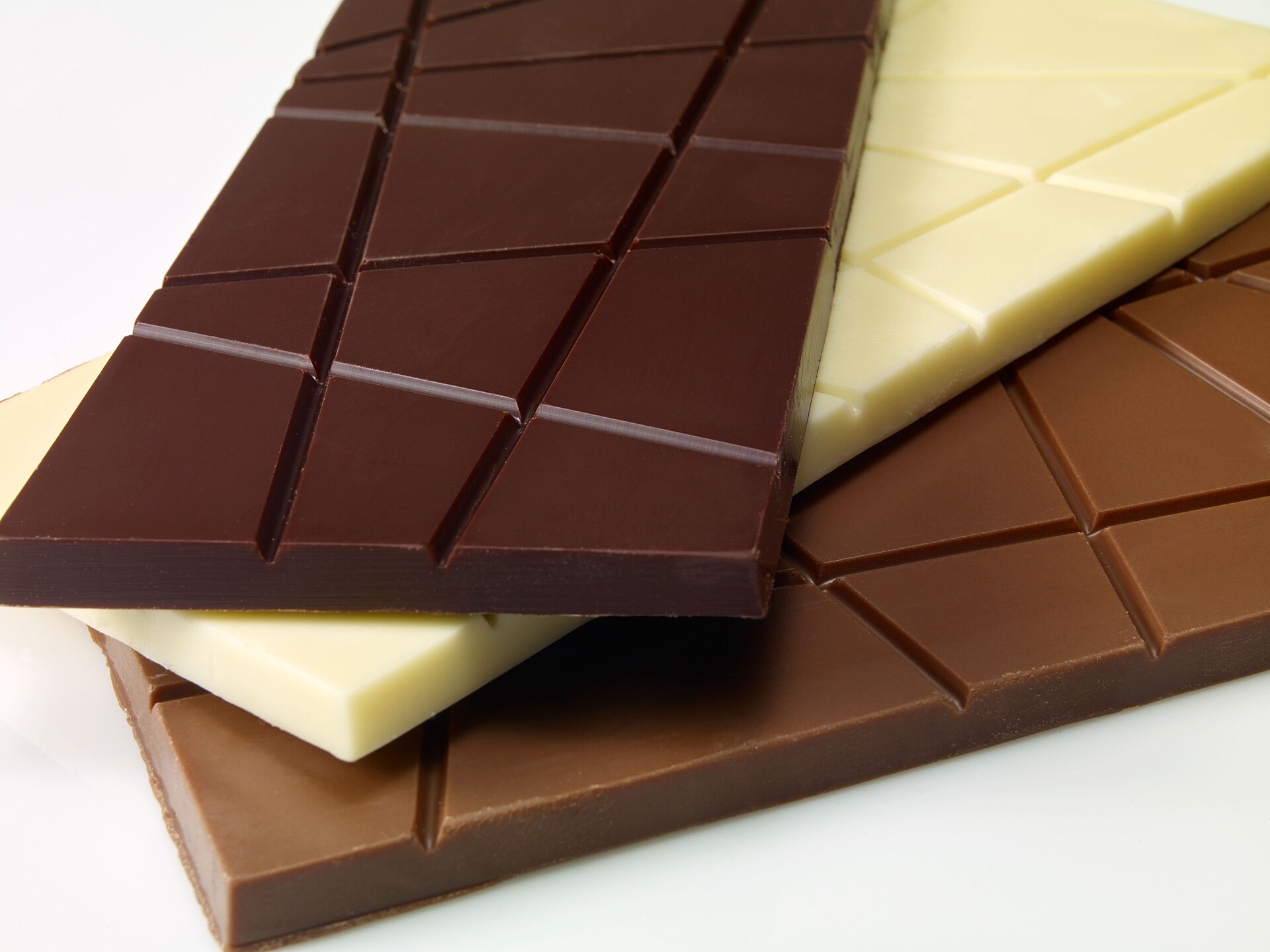
Chocolate is a food made from the seeds of the cacao tree, enjoyed around the world in countless forms. From a sacred drink of ancient Mesoamerica to a global treat, its story spans thousands of years and several continents.
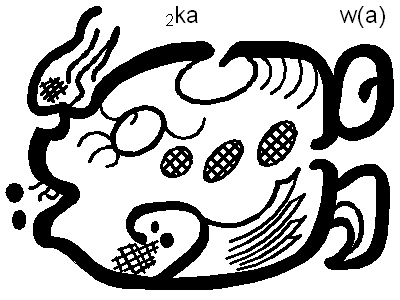
Chocolate begins with the cacao tree, which grows only in warm, humid tropical regions near the equator. Its large pods grow straight from the trunk and branches, and each holds dozens of seeds, the cacao beans, surrounded by sweet pulp. It is from these bitter seeds that all chocolate is made.
Turning beans into chocolate takes many careful steps. The beans are fermented, dried, roasted, and ground into a thick paste. From this paste come cocoa solids, which give flavour, and cocoa butter, the rich fat. Combined in different proportions with sugar and milk, they yield dark, milk, and white chocolate.
Cacao was first used by the ancient peoples of Mesoamerica, including the Olmec, Maya, and Aztecs. They drank it as a bitter, frothy, spiced beverage used in rituals and feasts, and prized it so highly that the beans even served as a form of money. Chocolate was a drink of gods, priests, and nobles.
The word "chocolate" derives from a term in the Aztec language, Nahuatl. To the Aztecs, cacao was a gift of the gods, linked to their deities and to ideas of wealth and power. A ruler might drink dozens of cups a day, and the beans were demanded as tribute from conquered lands.
When the Spanish brought cacao back to Europe in the sixteenth century, the bitter drink was sweetened with sugar and warmed, and it became a fashionable luxury among the wealthy. For two centuries chocolate remained a costly drink of the elite, served in special chocolate houses much like coffee houses.

Chocolate was transformed in the nineteenth century. New machines could press out cocoa butter and recombine it, making it possible to mould smooth, solid eating chocolate for the first time. The later addition of milk created milk chocolate, and clever processing made it silkier, turning a drink into a treat.
These advances made chocolate affordable, and it quickly became beloved worldwide. Today it is a vast global industry, though the cacao that supplies it is still grown largely by small farmers in tropical countries, whose livelihoods and working conditions have become a focus of concern and reform.
From ceremonial drink to everyday indulgence, chocolate has charmed humanity for millennia. It appears in festivals, gifts, and celebrations across cultures, and few foods are so simple in origin yet so rich in history, ritual, and pleasure. Its journey from a sacred Mesoamerican drink to a global favourite is one of the great stories of food.
