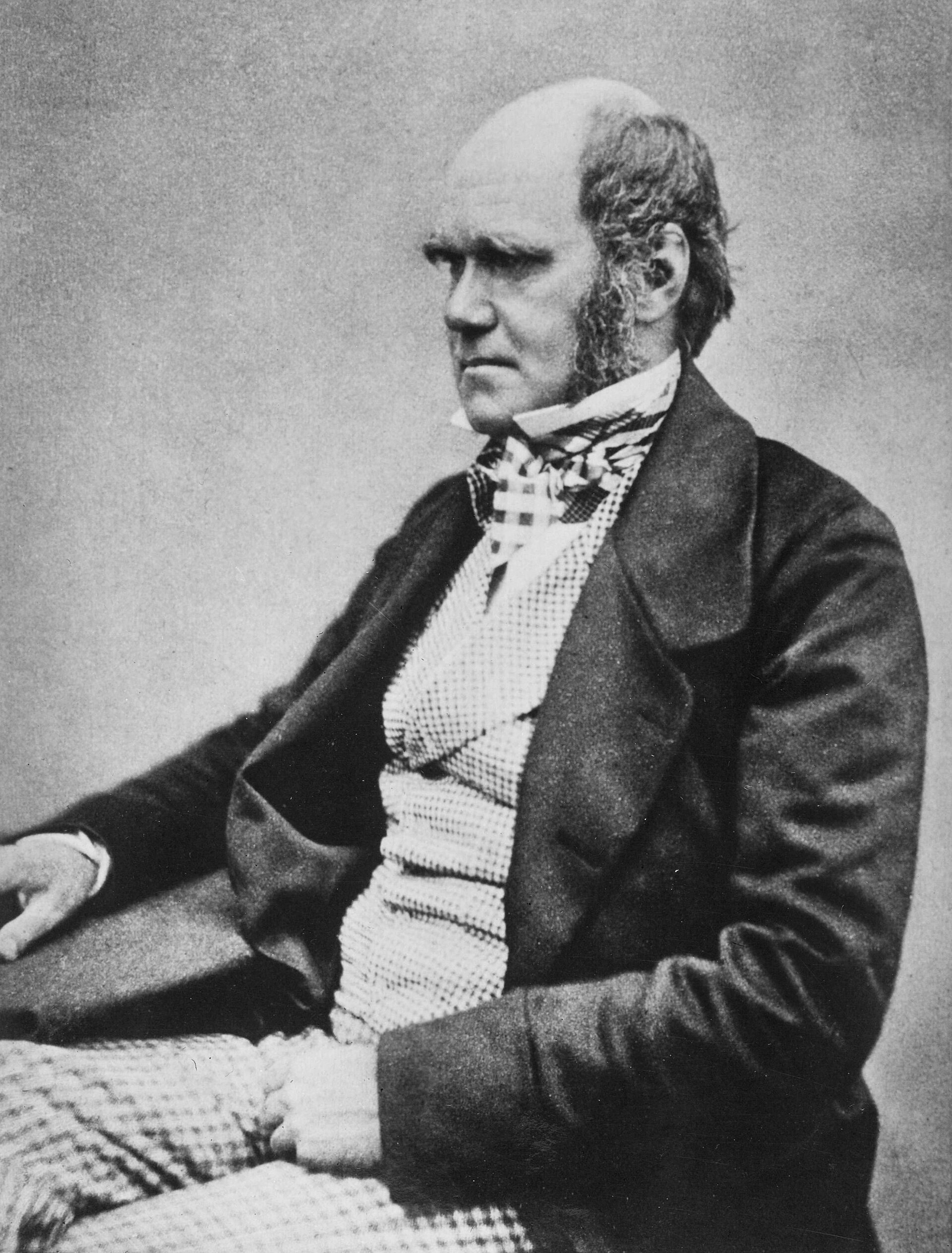
Charles Darwin (1809 to 1882) was an English naturalist whose theory of evolution by natural selection transformed our understanding of life. He showed that all living things are related and have changed over time, one of the most important ideas in the history of science.
As a young man, Darwin seemed an unlikely candidate for greatness. He abandoned medical studies, finding them distasteful, and drifted through a degree intended to prepare him for the clergy. His real passion was for nature, for collecting beetles and observing the living world, a hobby his father feared was idle.
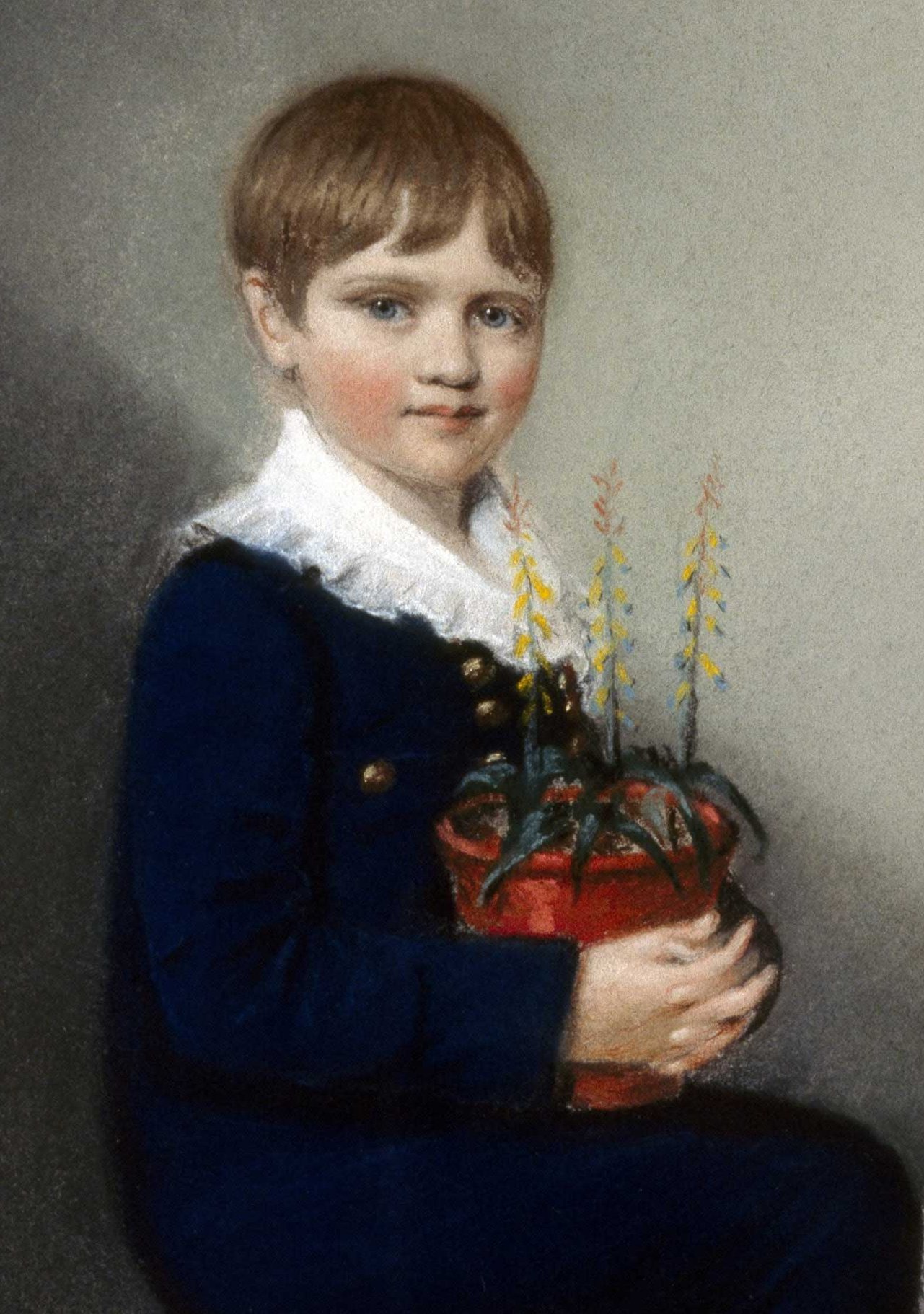
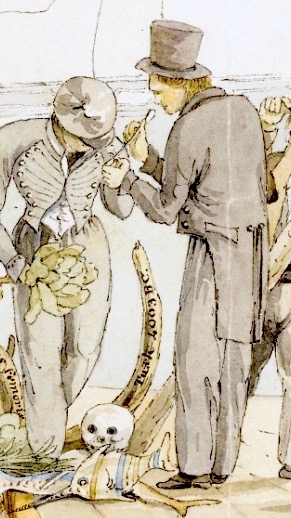
The turning point was an invitation to sail around the world aboard HMS Beagle as the ship's naturalist. Over five years, Darwin observed the plants, animals, fossils, and geology of distant lands, gathering vast collections and observations that would feed his thinking for the rest of his life.
Among the most influential of his observations were those on the Galápagos Islands, where he noticed that related species differed subtly from island to island. Such patterns suggested that species were not fixed and unchanging, as was then believed, but had altered and diverged over long ages.
Back in England, Darwin spent years quietly developing his ideas, reading widely and gathering evidence from breeding, geology, and natural history. He arrived at a mechanism for how species change: natural selection. But, aware of how shocking it would be, he hesitated for decades to publish.
In 1859, spurred by a rival who had hit upon the same idea, Darwin finally published On the Origin of Species. In it he proposed natural selection: because individuals vary, and more are born than can survive, those with traits better suited to their environment tend to survive and reproduce, reshaping species over generations.
The book was a sensation and a scandal. Its idea challenged long held beliefs about the special place of humans and the fixity of species, and it provoked fierce debate in science, religion, and society. Darwin, a retiring man who disliked conflict, largely left others to defend his theory in public.
Despite the controversy, the evidence for evolution steadily mounted from many fields, and natural selection became the unifying foundation of modern biology. Later discoveries in genetics, unknown in Darwin's day, revealed the mechanism of inheritance that makes his theory work, strengthening it further.
For all his fame, Darwin lived quietly at his home in the English countryside, often unwell, patiently studying everything from barnacles to earthworms to the expression of emotions. His careful, modest, evidence driven approach was as influential as any single theory.
Darwin is buried in Westminster Abbey, honoured as one of history's most influential thinkers. His idea, that all life is connected and has evolved through natural processes over immense time, reshaped not only biology but humanity's understanding of its own place in the natural world.
