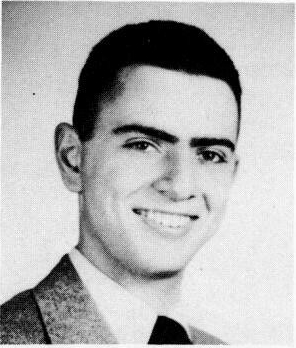
Carl Sagan (1934 to 1996) was an American astronomer and science communicator who did more than almost anyone to bring the wonder of the cosmos to the public. A respected scientist and a gifted writer and broadcaster, he made the universe feel both vast and deeply human.
Sagan's fascination with the stars began in childhood, sparked by visits to a planetarium and library books about the planets. That early sense of wonder never left him, and he made it his life's mission both to advance our understanding of the cosmos and to share its marvels with everyone, not just specialists.
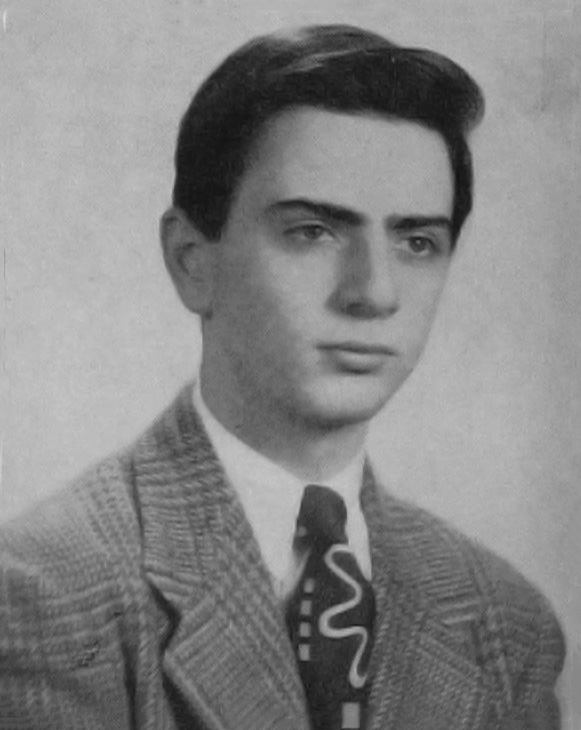
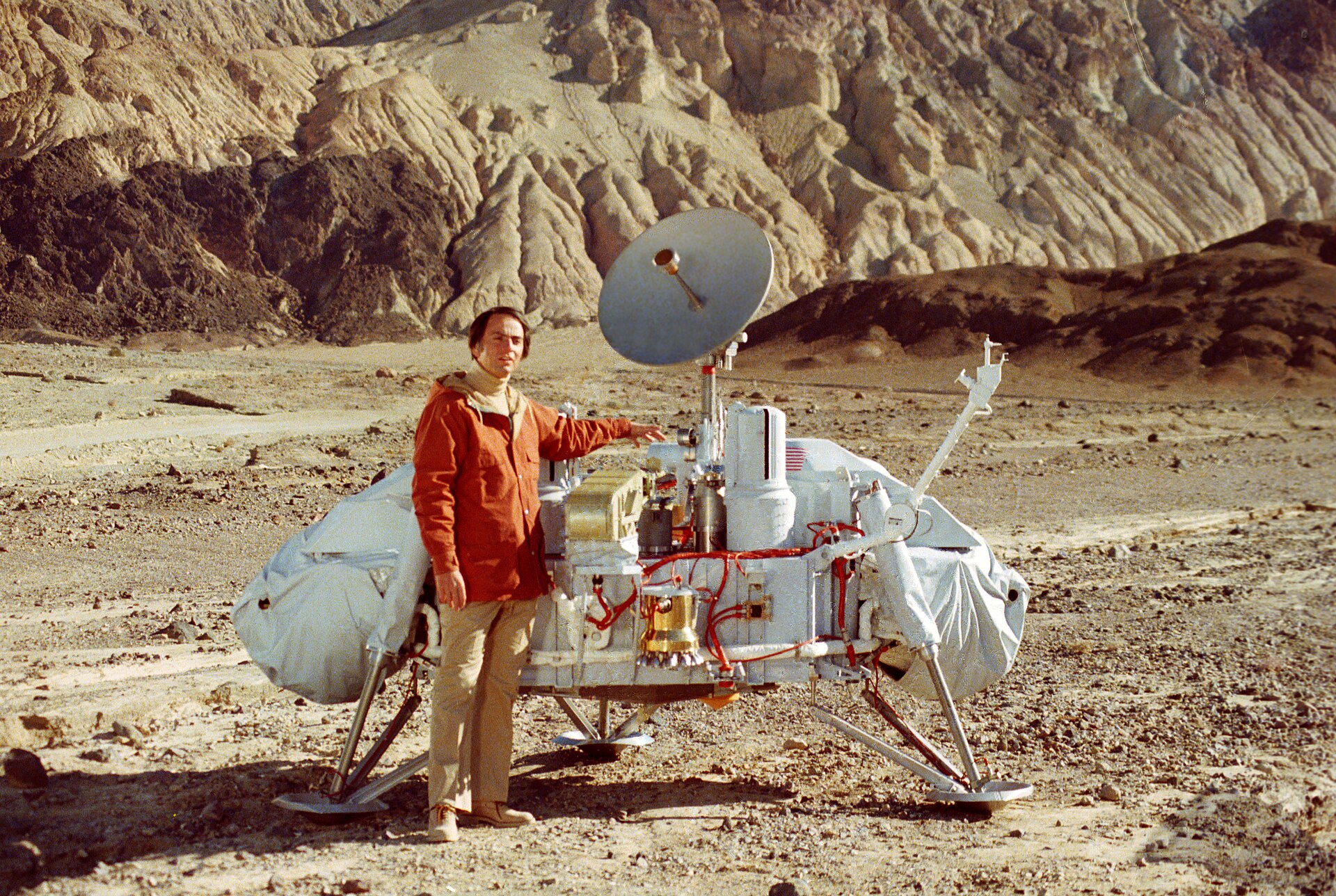
Sagan was a serious researcher who made real contributions to planetary science. He helped explain the searing heat of Venus as a runaway greenhouse effect, studied the atmospheres of other worlds, and played a key role in NASA's robotic missions to the planets, helping to interpret what the spacecraft discovered.
Sagan was a leading champion of the search for life beyond Earth. He thought deeply about where and how life might arise, and he helped design messages, carried aboard spacecraft leaving the Solar System, intended for any extraterrestrials who might one day find them, a hopeful gesture across the void.
Sagan's greatest gift was for explaining science with poetry and clarity. His 1980 television series Cosmos became one of the most watched science programmes ever made, seen by hundreds of millions around the world, conveying both the rigour of science and the awe it inspires in his warm, distinctive voice.
Reflecting on a photograph of Earth taken by a distant spacecraft, Sagan called our planet a "pale blue dot," a tiny mote suspended in a sunbeam, on which all of human history has played out. He used the image to plead for humility, for peace, and for care of our only home, in words that have become famous.
Sagan was also a passionate advocate for science and reason against superstition and pseudoscience. He urged people to think critically, to demand evidence, and to approach the world with both wonder and skepticism, a balance he called the heart of the scientific way of thinking.
Sagan died in 1996, but his influence endures. His books are still read, his series still watched, and his way of conveying the awe and importance of science still shapes how the public feels about the cosmos and our place within it. He remains the model of the scientist as communicator and guide.
