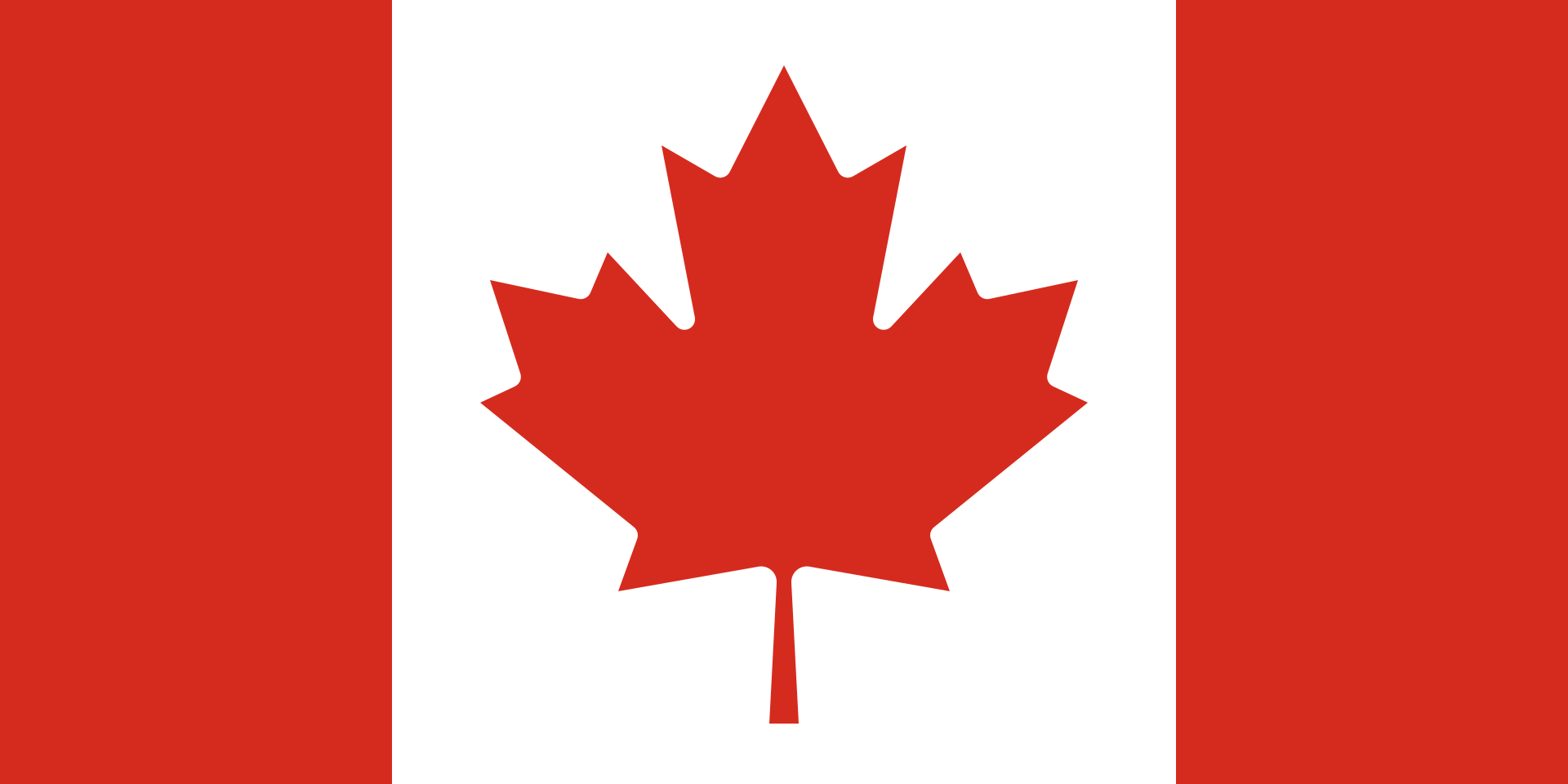
Canada is a country in North America, the second-largest in the world by total area, stretching from the Atlantic Ocean in the east to the Pacific in the west and reaching north to the Arctic. Despite its vast size, it is one of the most sparsely populated nations on Earth, with most of its roughly 40 million people living in a thin band near the southern border with the United States. It is a bilingual, multicultural federation, a parliamentary democracy, and a constitutional monarchy.
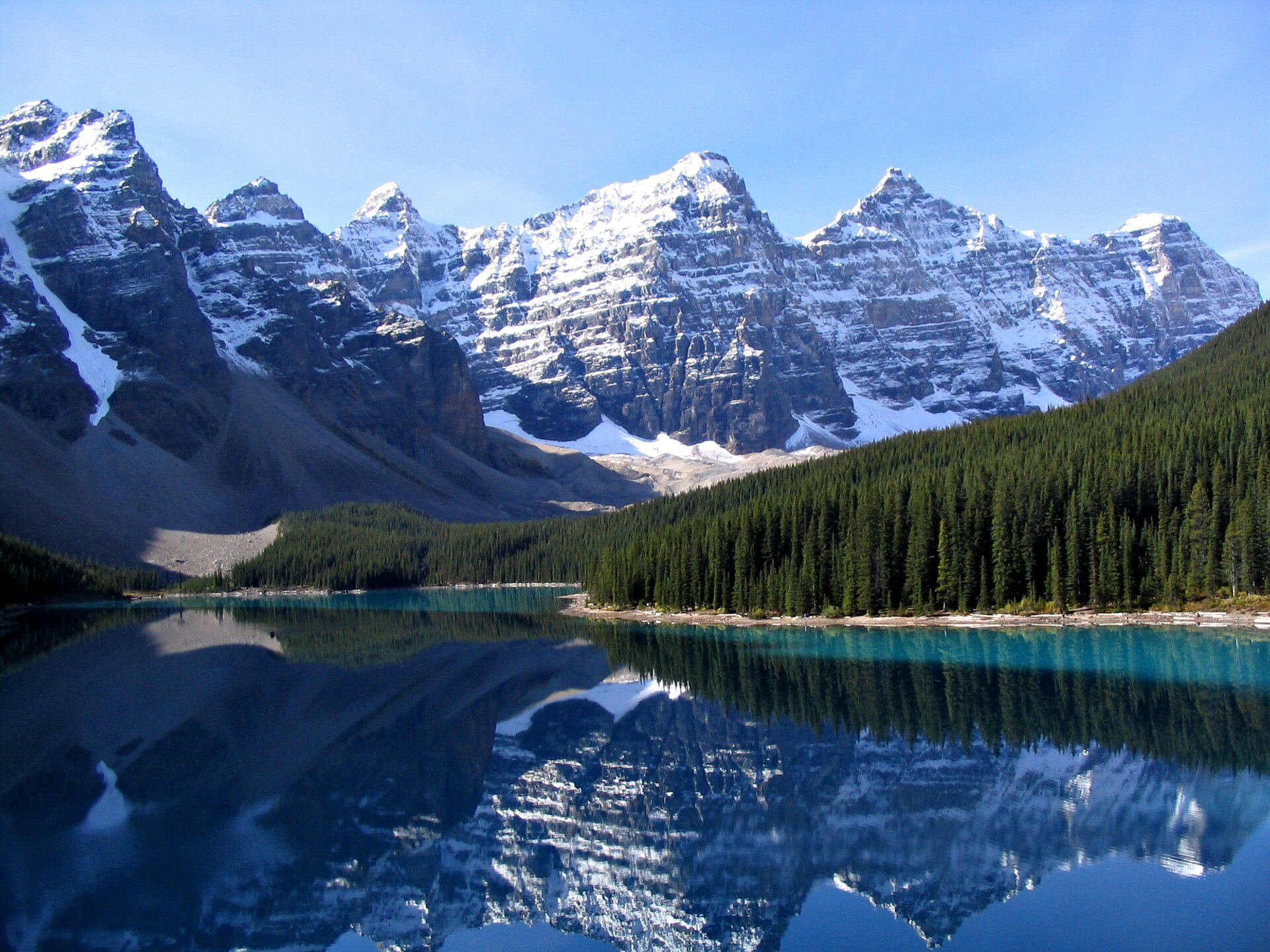
Canada spans six time zones and an enormous range of landscapes: the rugged Atlantic coast and rolling farmland of the east, the vast boreal forests and tens of thousands of lakes of the interior, the wheat-growing prairies of the centre, the soaring Rocky Mountains of the west, and the frozen tundra of the Arctic north. It holds a remarkable share of the world's fresh water and its longest coastline of any country. Much of the far north is sparsely inhabited wilderness, while the population and farmland concentrate in the milder south.
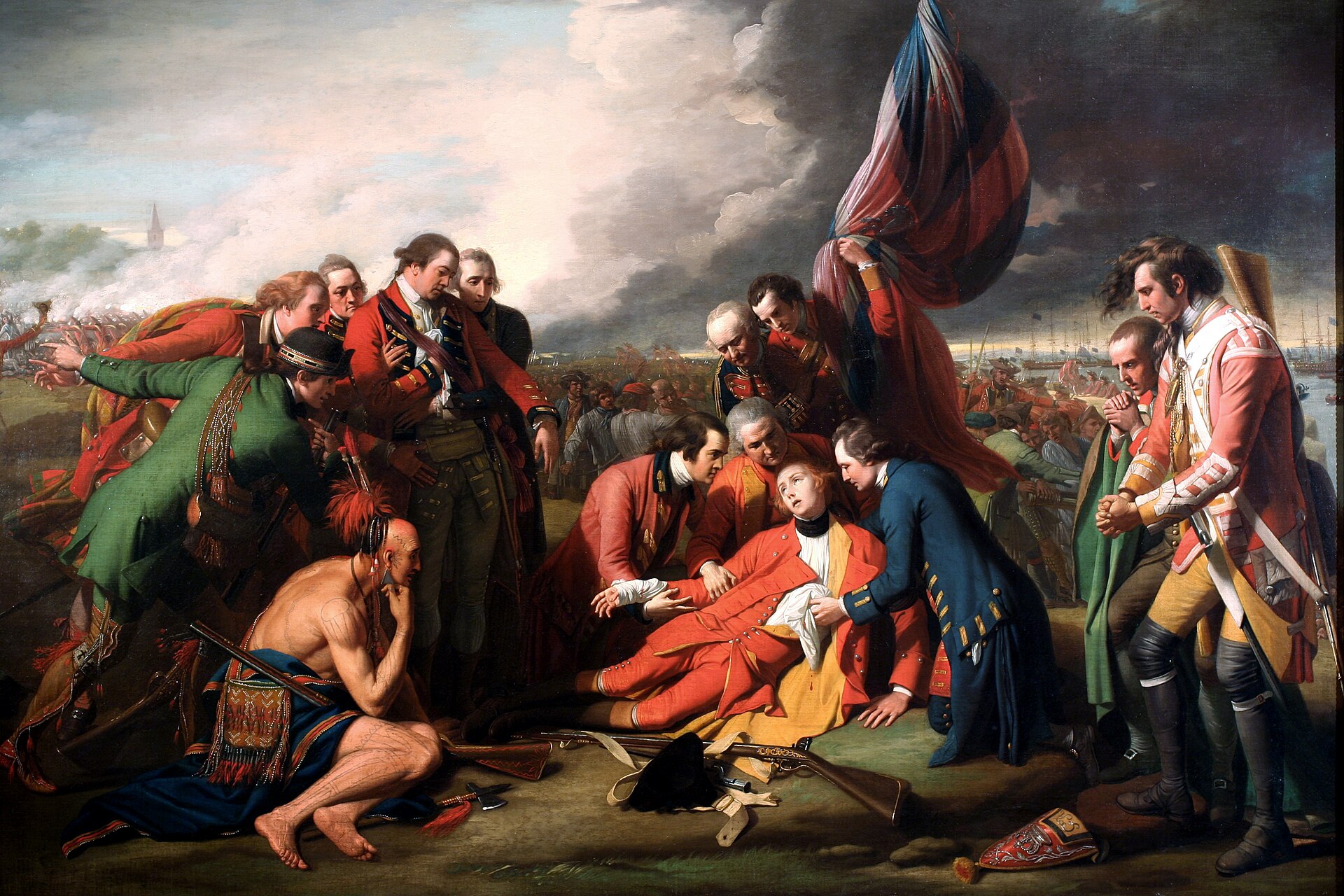
Canada has been inhabited for thousands of years by diverse Indigenous peoples, the First Nations, Inuit, and Métis, who developed rich and varied societies, languages, and trade networks across the continent long before European arrival. French and British explorers and settlers reached the coasts in the sixteenth and seventeenth centuries, founding colonies and competing, often violently, for control of the fur trade and the land. Britain's victory over France in the eighteenth century, sealed on the Plains of Abraham at Quebec in 1759, left most of the territory under British rule while leaving a large French-speaking population whose language and culture endure to this day.
In 1867, the British North America Act united several colonies into a single self-governing Dominion, the beginning of modern Canada. The country expanded westward and northward over the following decades, and through the twentieth century it gradually gained full independence, a process completed in 1982 when Canada patriated its constitution and adopted the Charter of Rights and Freedoms.
Canada is a constitutional monarchy and a parliamentary democracy. The monarch, represented in Canada by the Governor General, is the formal head of state, while real political power rests with the elected House of Commons and the Prime Minister, who leads the government. As a federation, Canada divides authority between the national government and its ten provinces and three territories, each with its own legislature and responsibilities such as health care and education.
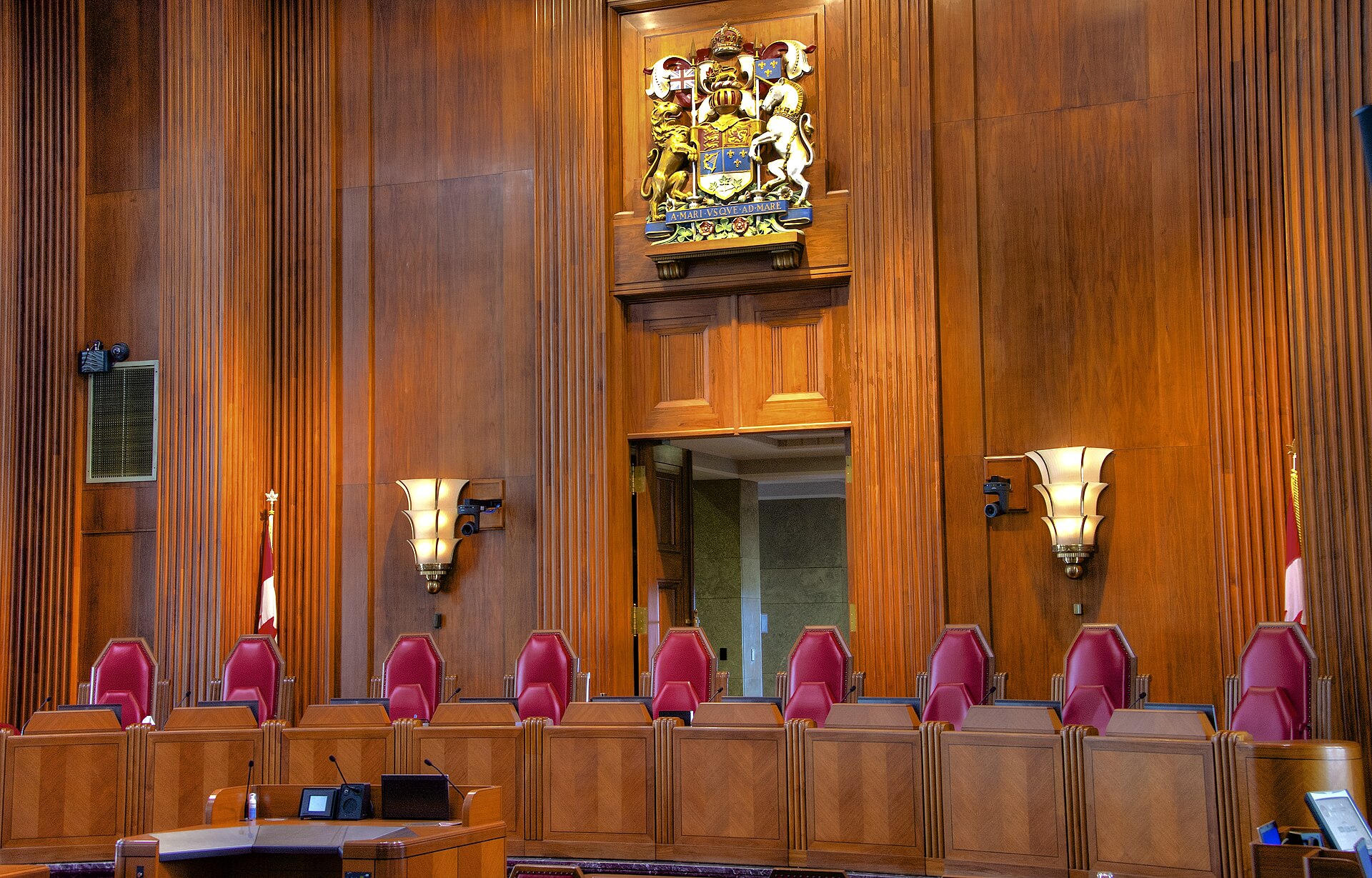
The country's legal system blends two traditions: English common law across most of the country, and French-derived civil law in Quebec. At the top of the judiciary sits the Supreme Court of Canada, whose nine justices have the final word on constitutional questions and on the interpretation of the Charter of Rights and Freedoms, making the court a powerful guardian of individual rights.
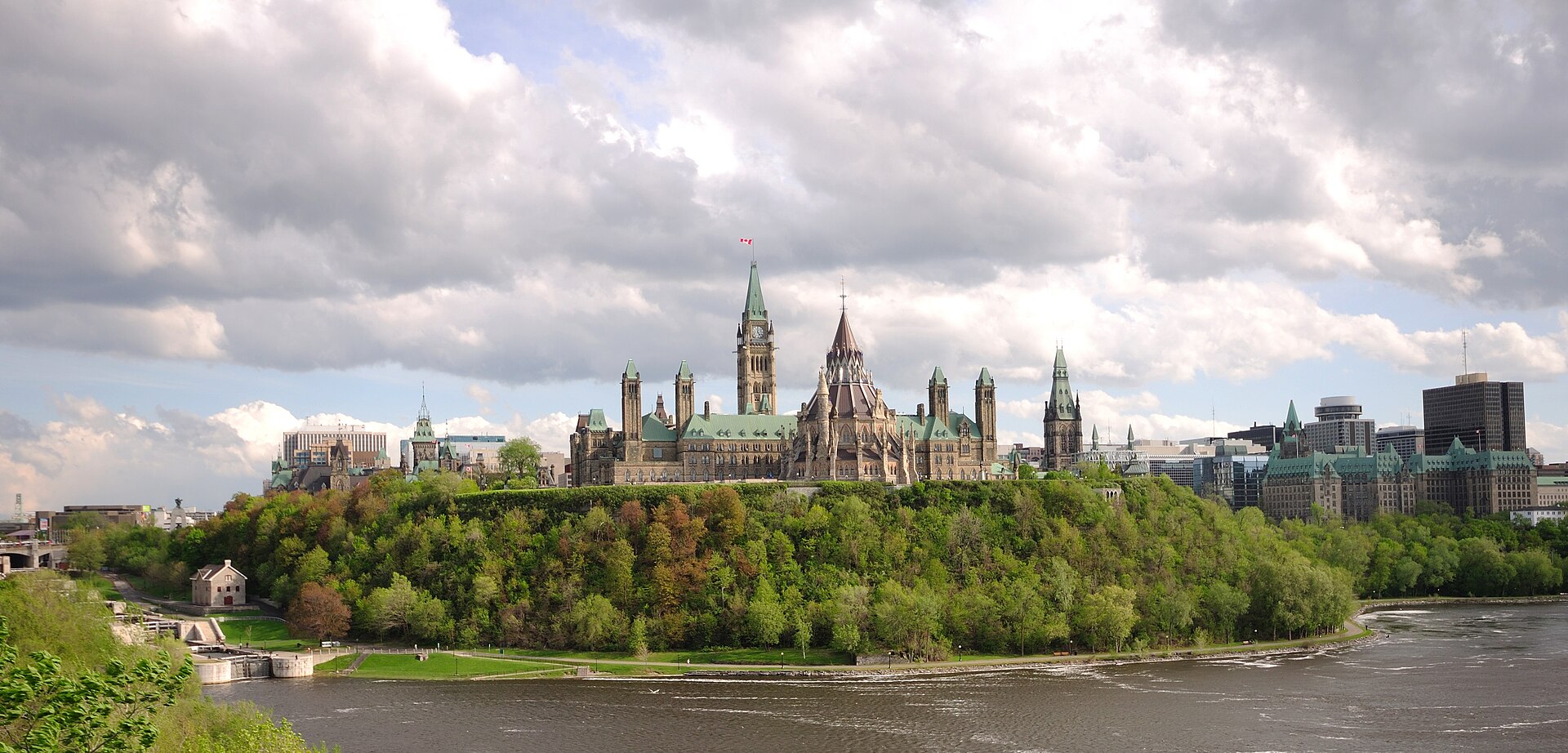
Canada's capital is Ottawa, in the province of Ontario, on the banks of the Ottawa River across from Quebec. Chosen as the capital in the nineteenth century partly for its position on the linguistic and provincial frontier, it is home to Parliament Hill, where the Gothic Revival Parliament buildings house the House of Commons and the Senate. Ottawa is the seat of the federal government and a centre of national institutions, museums, and ceremony, distinct from the larger commercial cities of Toronto, Montreal, and Vancouver.
Canada has two official languages, English and French, a legacy of its British and French founding peoples, and Quebec remains majority French-speaking. Shaped by waves of immigration from around the world, Canada has embraced an official policy of multiculturalism, and its cities are among the most diverse on the planet. Reconciliation with Indigenous peoples, after a long and often painful colonial history, has become a central national project. Universal public health care, a love of winter sports such as ice hockey, and a reputation for politeness and openness are among the things Canadians often see as central to their identity.
Canada has a large, advanced economy built on abundant natural resources, including oil, minerals, timber, and fresh water, alongside strong manufacturing, technology, and service sectors. Its economy is closely tied to that of the United States, by far its largest trading partner, with which it shares the world's longest undefended border. Agriculture on the prairies, energy in the west, finance and industry in the centre, and fishing and forestry on the coasts together make Canada one of the wealthiest nations in the world.

