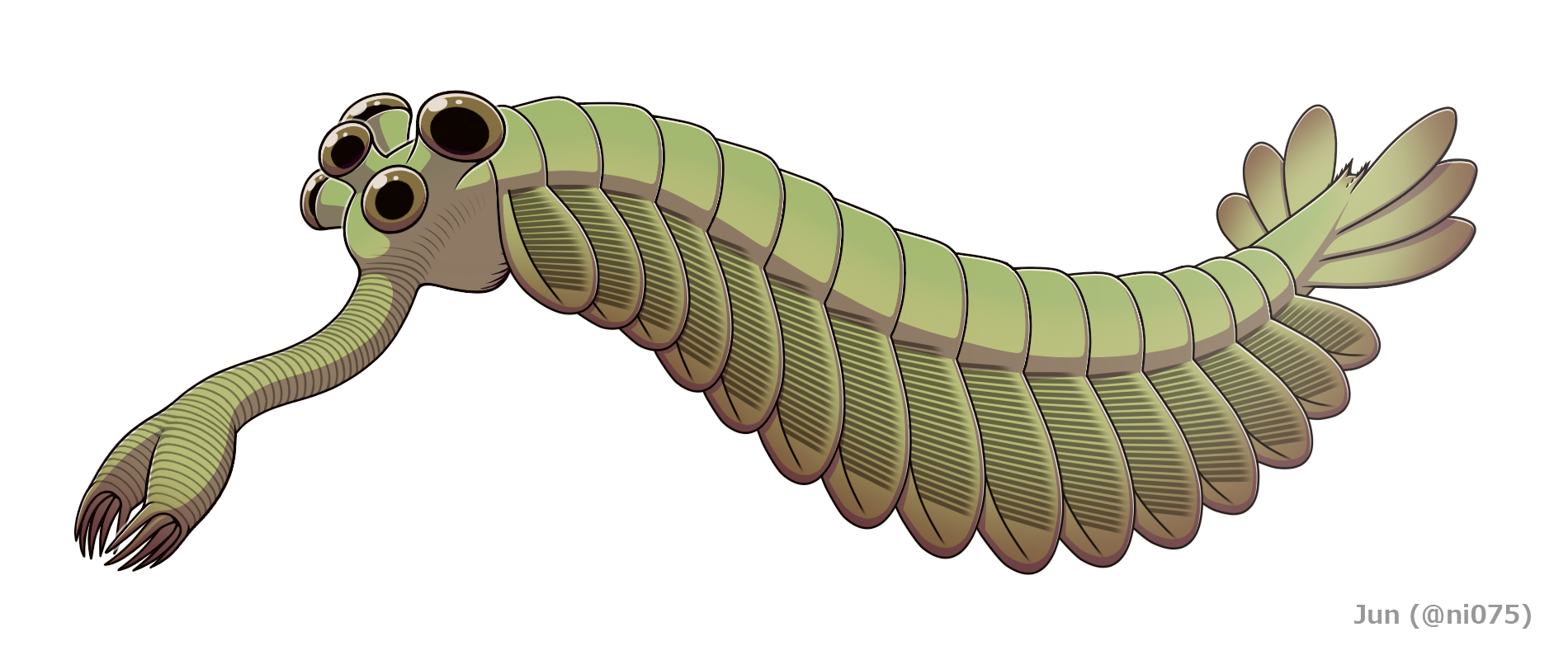
The Cambrian explosion was a remarkable burst of evolution, beginning around 540 million years ago, when most of the major groups of animals appeared in the fossil record over a geologically short span. That it happened is clear; exactly why it happened so suddenly is debated.
For most of Earth's long history, life was simple and mostly microscopic, single cells drifting in ancient seas. Even when larger life appeared, it was soft, strange, and limited. For billions of years, nothing resembling the animals we know existed. Then, in a relatively brief window, that changed dramatically.
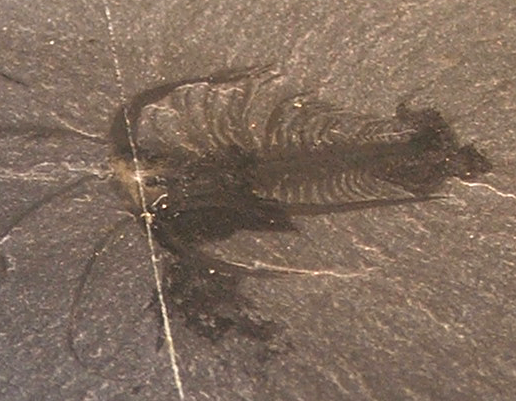
In the early Cambrian period, the fossil record suddenly fills with a dazzling variety of complex animals: creatures with shells, eyes, legs, and the basic body plans that nearly all later animals, including us, would share. In geological terms it was astonishingly swift, an apparent explosion of new forms of life.
What makes the Cambrian explosion so significant is that almost all the major groups of animals alive today first appear in it. The fundamental architectures of animal life, the blueprints for arthropods, molluscs, vertebrates, and more, were established then and have persisted ever since. It set the pattern for all animal life to come.
The Cambrian seas teemed with bizarre animals, some unlike anything alive today. There were creatures with five eyes, with grasping claws, with rows of spines, preserved in remarkable detail in a few special fossil sites. These strange forms reveal evolution experimenting wildly with the new possibilities of complex animal life.
Scientists have proposed many causes for the burst, and likely several worked together. One leading idea is a rise in atmospheric oxygen, which would have made possible larger, more active animals with high energy lifestyles, opening the door to the new body plans.
Another idea points to the evolution of vision and of active predators. Once some animals could see and hunt, an evolutionary arms race began, driving the rapid development of defences, such as shells and spines, and weapons, such as claws and jaws. Predation may have spurred the rush of innovation.
Other proposed triggers include changes in ocean chemistry, in the genes that control how bodies are built, and in ecosystems themselves, as new niches opened up. The genetic toolkit for building complex bodies may have reached a tipping point, allowing a sudden flowering of new forms.
Part of the debate is whether the "explosion" was as abrupt as it looks. Earlier, soft bodied animals may have existed but left few fossils, so the Cambrian may mark when animals first evolved hard shells and became easy to preserve, making the burst partly an illusion of the fossil record.
How much of the Cambrian explosion was a true, rapid evolutionary leap, and how much an artefact of the patchy fossil record, and which triggers mattered most, remain genuinely open questions. The broad event is undeniable, but its causes and its true speed are still the subject of active and lively scientific debate.
