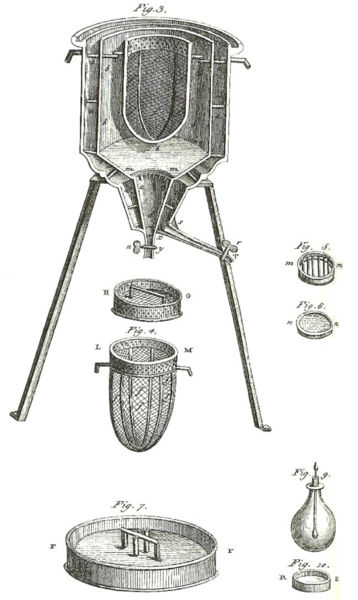
The caloric theory was an explanation of heat, widely accepted into the early nineteenth century, which held that heat is an invisible, weightless fluid called "caloric" that flows from hot objects to cold ones. It was eventually debunked and replaced by the understanding that heat is a form of energy.
According to the theory, every object contained a certain amount of an invisible fluid called caloric. Warming something meant adding this fluid, and cooling meant removing it. Heat flowed from hot to cold because caloric, like water seeking its level, spread from where it was concentrated to where it was scarce.
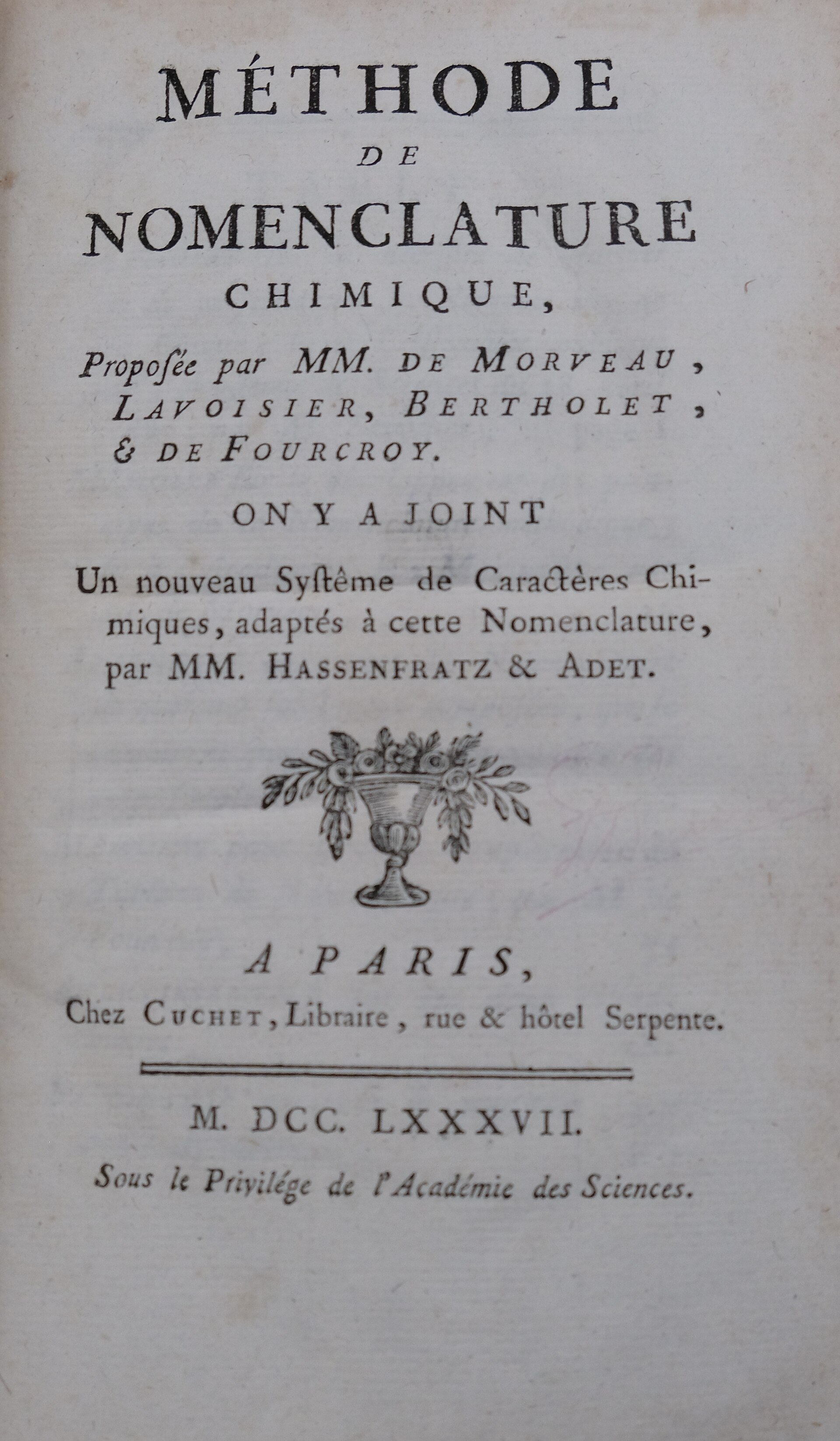
The caloric theory was no foolish notion; it explained many observations neatly. It accounted for how heat always spreads from hot to cold, why objects expand when heated as the caloric fills them, and how heat passes from one body to another. For a time it was the respectable, mainstream view.
The theory was developed and supported by leading scientists, including the great chemist Antoine Lavoisier, who even listed caloric among the chemical elements. That such careful minds embraced it shows it was a reasonable idea given the knowledge of the day, not a careless error.
The theory ran into trouble it could not explain. If heat were a substance stored in an object, then rubbing or drilling should eventually use up its supply of caloric. Yet friction produces heat seemingly without limit, as anyone who has rubbed their hands together knows.
The decisive blow came from observing the boring of cannon. Count Rumford noticed that drilling a cannon barrel produced heat endlessly, as long as the work continued, far more than any caloric the metal could hold. The heat seemed to come not from a fluid but from the mechanical work itself.
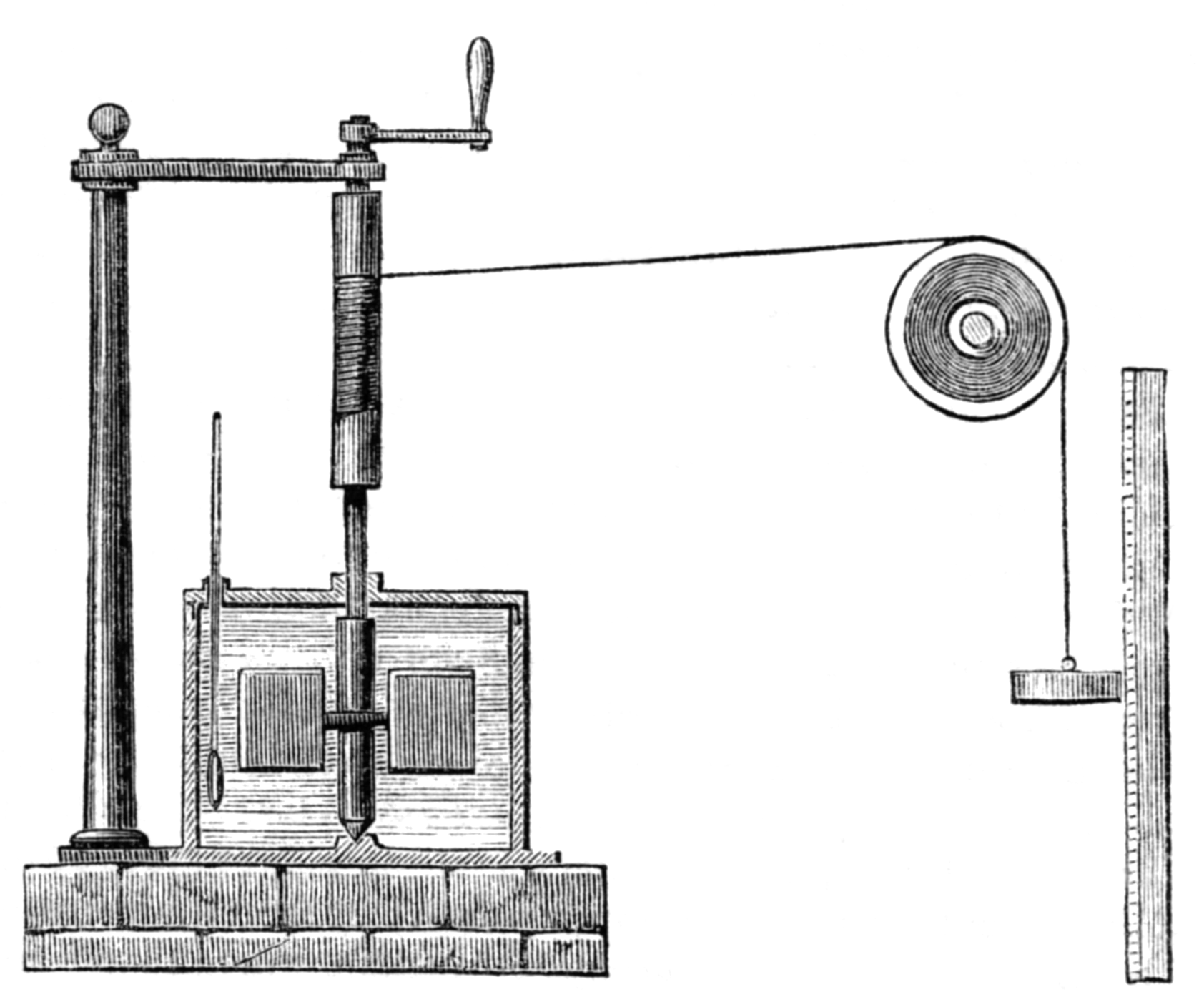
In the early 1800s, careful experiments, above all by James Joule, showed precisely that mechanical work can be converted into heat. Joule measured how much stirring or falling weight produced how much warming, demonstrating an exact exchange rate between work and heat. This made no sense if heat was a finite fluid.
Through this work, heat came to be understood not as a substance but as a form of energy, specifically the motion of the tiny particles that make up matter. The faster the particles jiggle, the hotter the object. This insight founded the science of thermodynamics and the great principle of the conservation of energy.
The caloric theory is firmly debunked; heat is not a fluid. Yet, like many wrong ideas in science, it was not wasted. It organized useful observations, inspired careful experiments, and posed the very questions whose answers overturned it. The word "calorie," still used for energy in food, is a quiet echo of the old, defeated theory.
