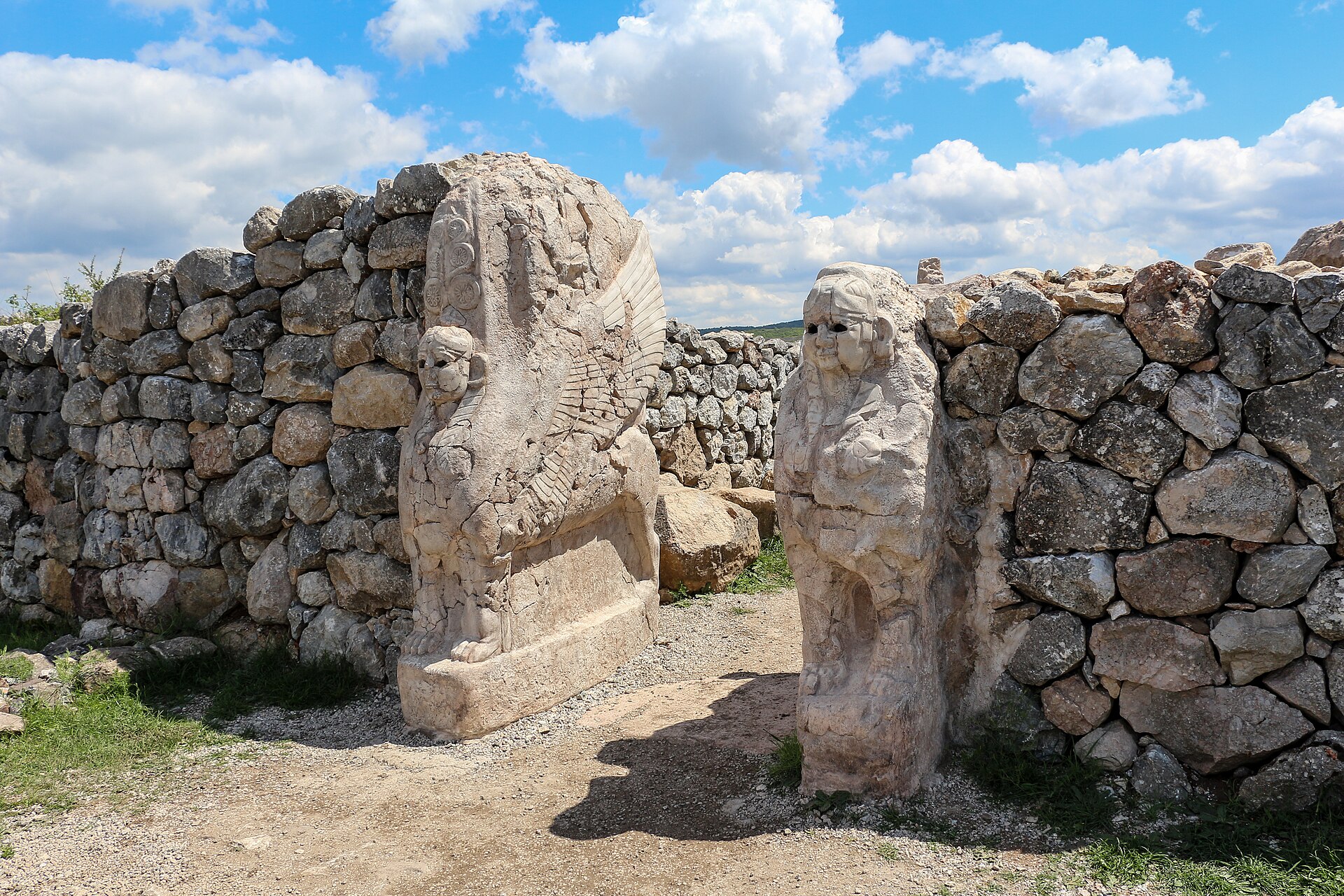
The Bronze Age collapse was a sudden, widespread breakdown of civilizations around the eastern Mediterranean roughly 3,200 years ago. Within a few decades, great powers fell, cities burned, and trade networks shattered. Why it happened so suddenly and completely is one of history's enduring mysteries.
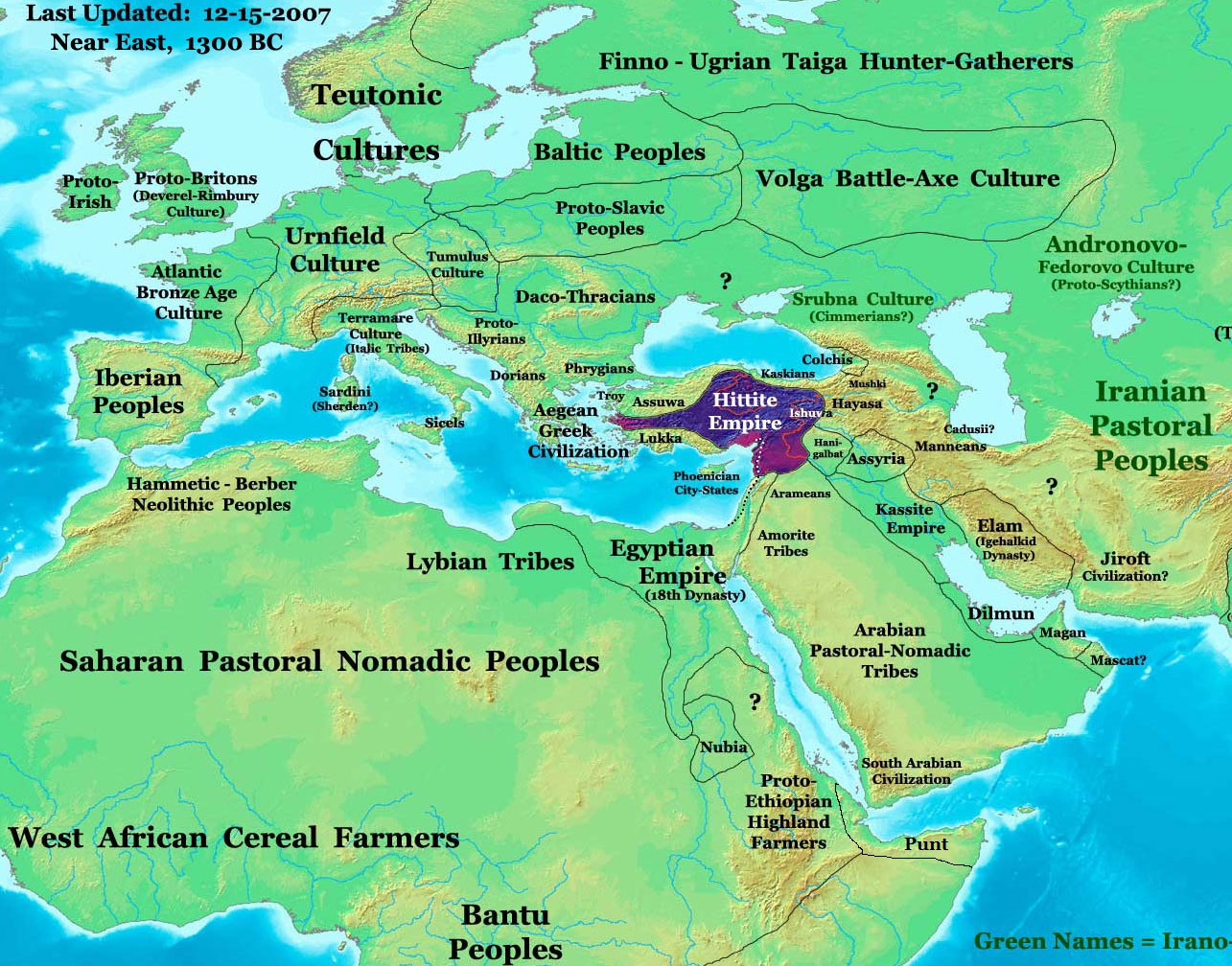
Around 1200 BC, a flourishing, interconnected world of kingdoms and empires spanned the eastern Mediterranean, including the Hittites, the Mycenaean Greeks, Egypt, and others. They traded widely, exchanged letters between kings, and depended on one another for tin, copper, and luxury goods, a complex web of commerce and diplomacy.
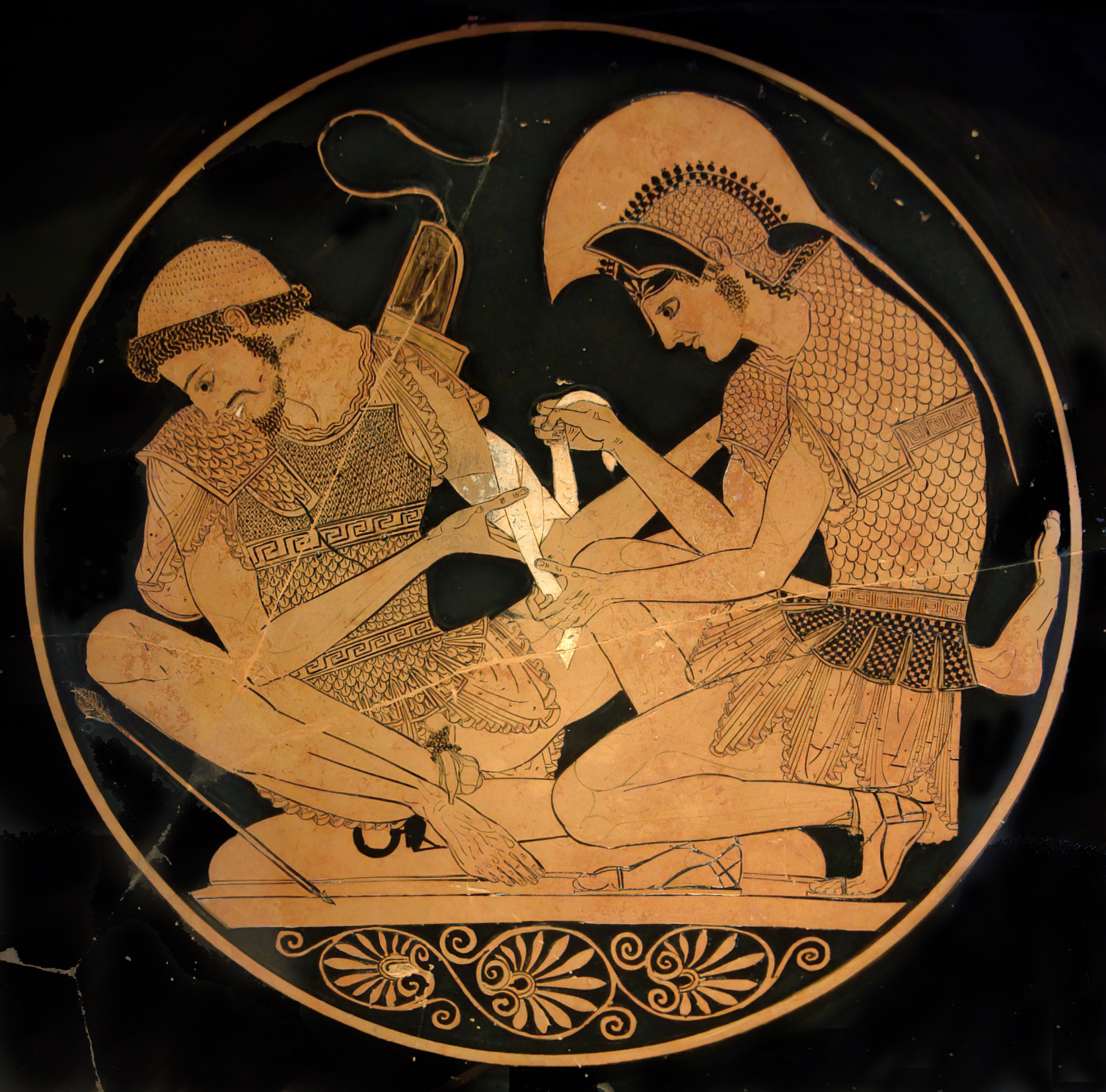
Then, within a generation or two, this thriving world collapsed. Mighty cities were destroyed or abandoned, kingdoms vanished, writing systems were lost, and long distance trade dried up. The Late Bronze Age gave way to a darker, poorer age from which it took centuries to recover.
The collapse was so deep that whole skills disappeared. In Greece, writing itself was forgotten for centuries, and grand palace societies gave way to small, scattered villages. The memory of the lost age survived only dimly, echoing later in legends such as the tales of the Trojan War.
Among the most famous suspects are the mysterious raiders known as the "Sea Peoples," recorded by the Egyptians as attacking from the sea and overwhelming city after city. Who exactly they were, and where they came from, remains debated, but they appear in the records just as the collapse unfolds.
Evidence suggests that a long drought may have gripped the region around this time, bringing crop failures and famine. Hungry, desperate populations may have migrated, raided, or risen in revolt, putting unbearable strain on states that depended on reliable harvests and stored grain.
Other proposed factors include a series of powerful earthquakes that struck the region, internal rebellions against ruling elites, and the inherent fragility of these complex, tightly linked economies. When one part failed, the disruption of trade could ripple outward and bring down the rest.
Because no single cause seems sufficient on its own, many scholars now favour a "perfect storm," in which climate change, invasion, disaster, famine, and the breakdown of trade reinforced one another in a cascade. The very interconnectedness that made the Bronze Age world rich may have made it dangerously fragile.
The central puzzle is why so many different societies failed at nearly the same time, and so thoroughly. The evidence is patchy and hard to date precisely, and scholars still argue over the relative weight of each factor and the exact sequence of events. The Bronze Age collapse remains a genuine and fascinating debate.
