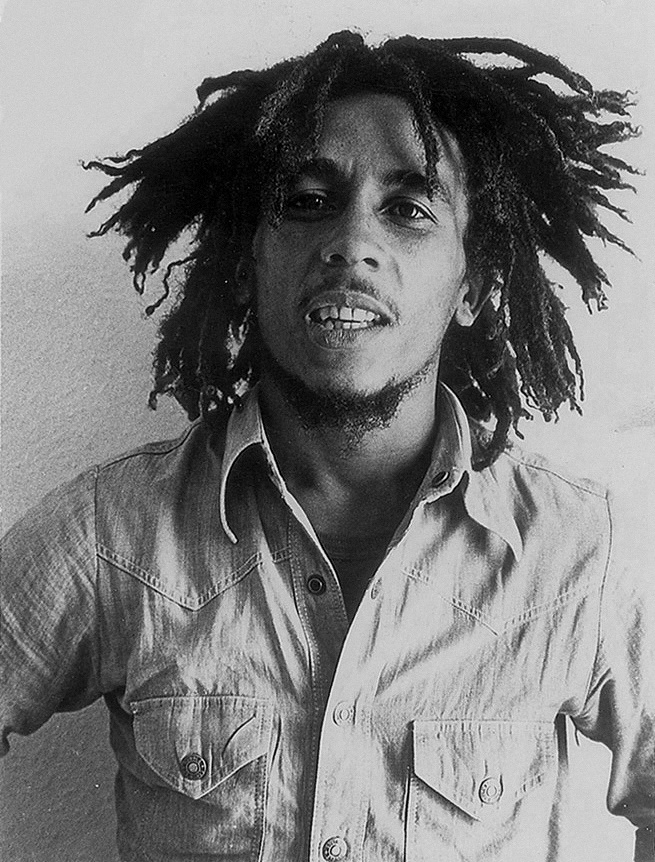
Bob Marley (1945 to 1981) was a Jamaican singer and songwriter who became the most famous figure in reggae music and a global symbol of peace, unity, and resistance. Through his songs he carried the sounds and message of Jamaica to the whole world.
Marley was born in the rural village of Nine Mile in Jamaica and grew up in poverty, later moving to the tough Trench Town district of Kingston. From these humble and difficult beginnings he absorbed the struggles of ordinary Jamaicans, experiences that would deeply inform his music.
Marley, with his band the Wailers, brought reggae, a music born in the streets of Kingston, to a worldwide audience. With its distinctive rhythm and its roots in Jamaican life, reggae had been little known abroad; Marley became its first international superstar and its most enduring and recognizable voice.
Marley's music was inseparable from his message. He sang about love, but also about poverty, injustice, oppression, and hope, giving voice to the struggles of the poor and the dispossessed. His songs, such as One Love, No Woman No Cry, and Redemption Song, combined infectious melodies with heartfelt calls for justice and unity.
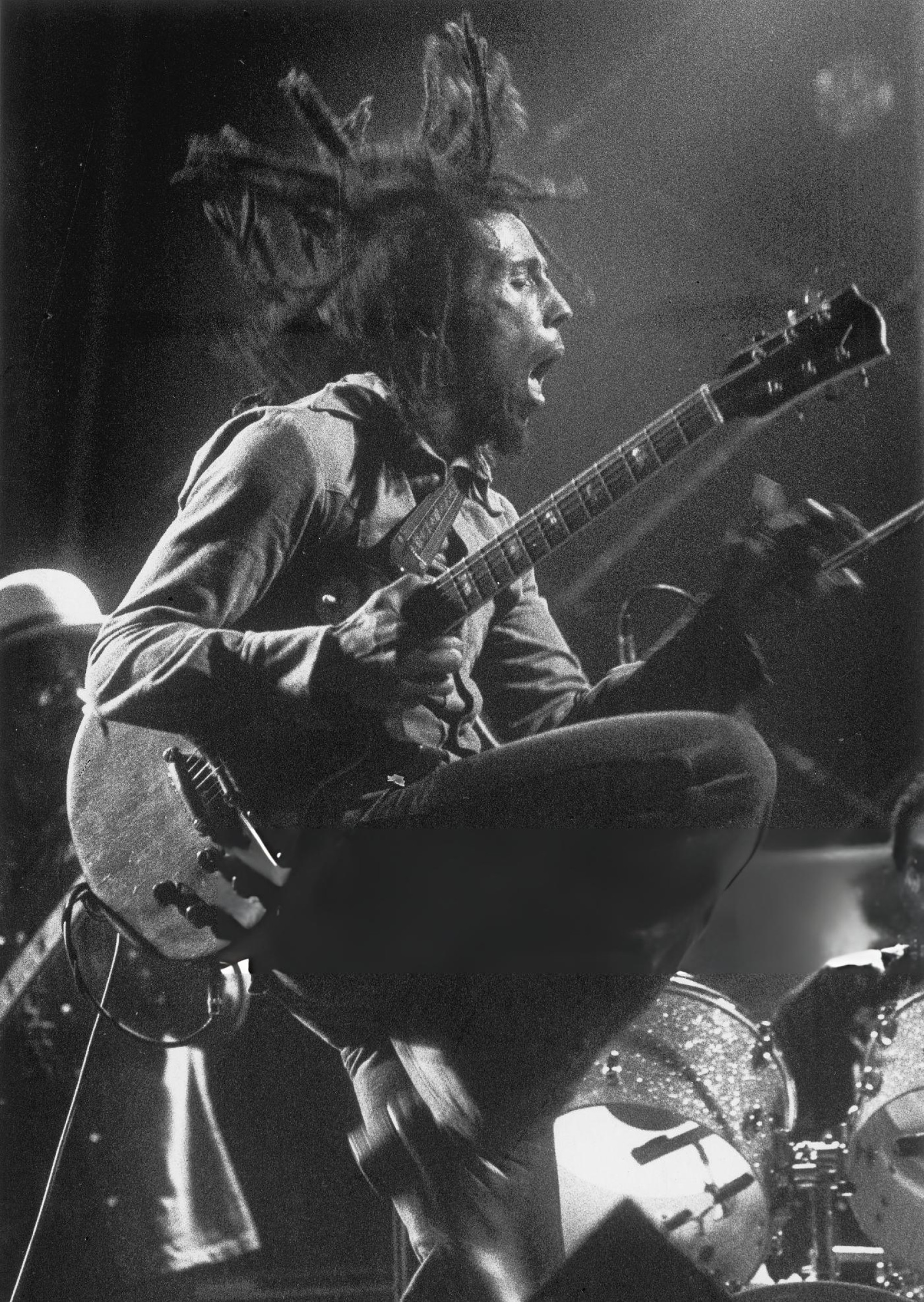
Marley's music and outlook were deeply tied to his Rastafari faith, a Jamaican religious and cultural movement, which shaped his spiritual themes, his appearance, and his sense of mission. His faith gave his work a prophetic, devotional quality and connected his songs to a larger vision of redemption and freedom.
Marley became a powerful political and spiritual figure, his influence reaching far beyond music. In a famously tense moment, he brought rival Jamaican political leaders together on stage to join hands in a gesture of peace, embodying his calls for unity at a time of violent division in his homeland.
Through Marley, the sounds, language, and spirit of Jamaica reached every corner of the globe. He became an ambassador for his small island nation and for reggae, and his image and message spread to people of all backgrounds, making him one of the most recognizable figures of his time.
Marley died of cancer in 1981, aged just thirty six, at the height of his fame and influence. His early death cut short a remarkable career, but it did nothing to dim his light; if anything, his stature only grew in the years that followed.
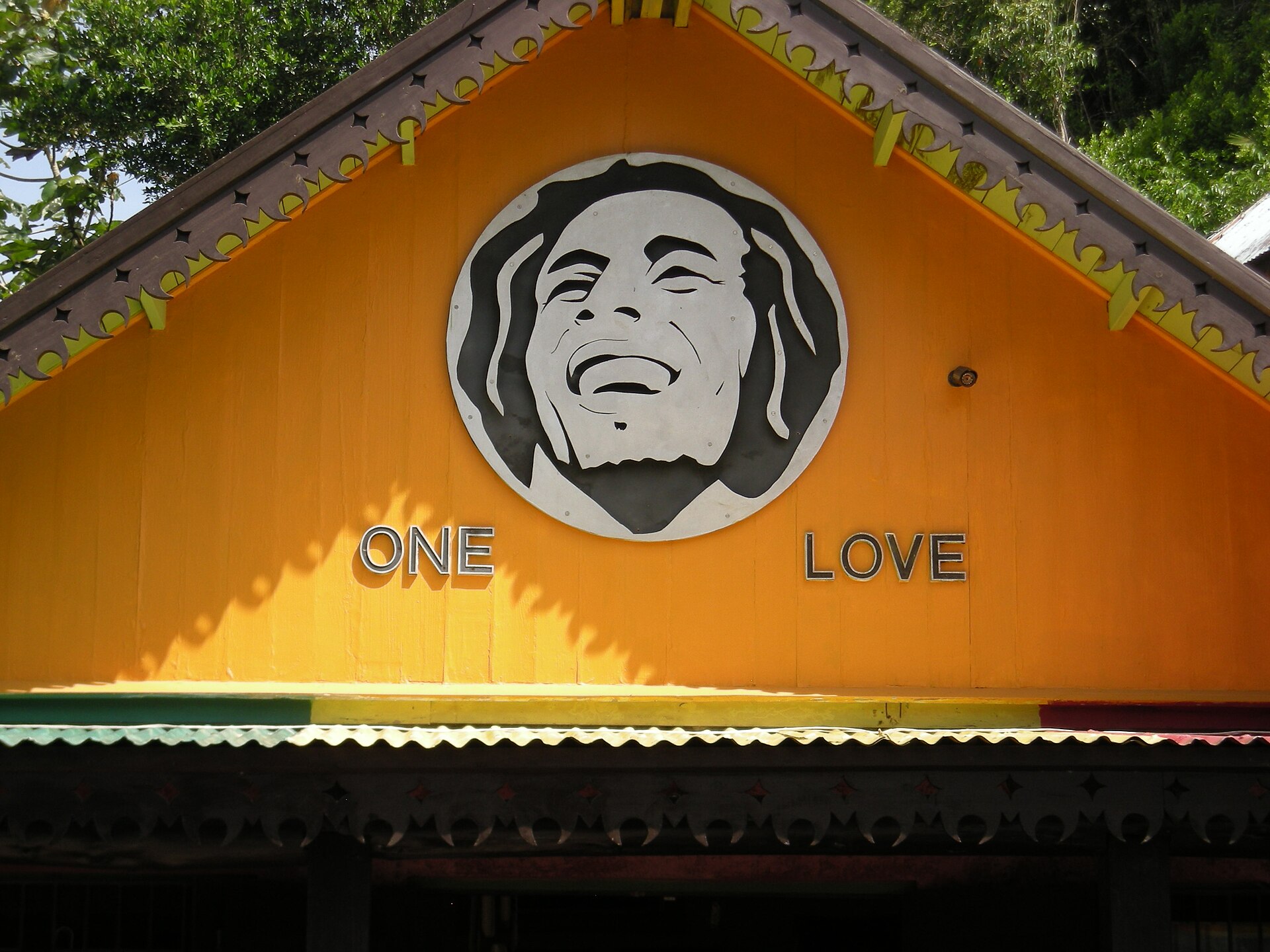
Marley's greatest hits album is among the best selling of all time, and his image and his message of "one love" have become global symbols of peace and unity. Decades on, he remains an icon of music, freedom, and the enduring power of a song to bring people together across all divides.
