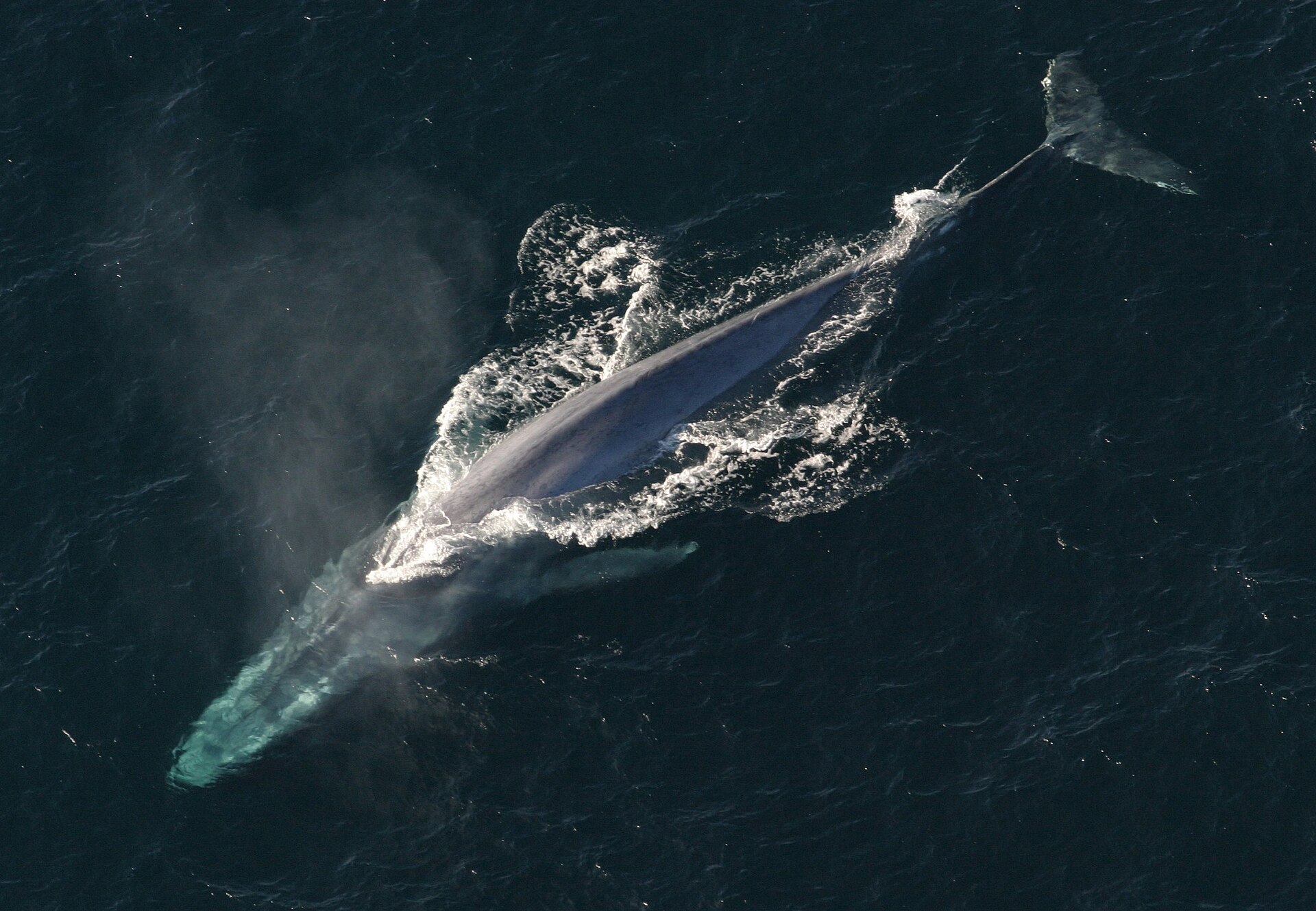
The blue whale is the largest animal ever known to have lived, bigger even than any dinosaur. Reaching up to about 30 metres long and weighing as much as 180 tonnes, this ocean giant is a creature of almost unimaginable scale, and it feeds on some of the smallest animals in the sea.
Everything about the blue whale is enormous. Its heart alone is roughly the size of a small car, its tongue can weigh as much as an elephant, and a newborn calf is already among the largest animals on the planet, gaining weight at a staggering rate on its mother's rich milk. Despite its bulk, the blue whale is sleek and streamlined, its mottled blue-grey body built for gliding efficiently through the open ocean.
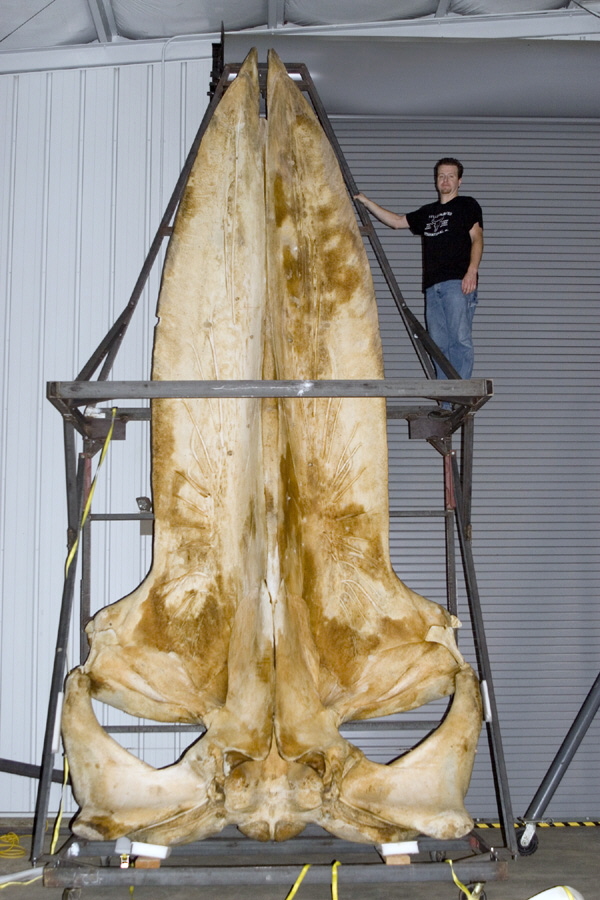
The sheer scale of the blue whale is laid bare in its skeleton. A single skull can measure close to six metres long, and the jawbones are among the largest single bones of any animal. These giant bones, displayed in museums, give visitors their only real sense of an animal most will never see whole.
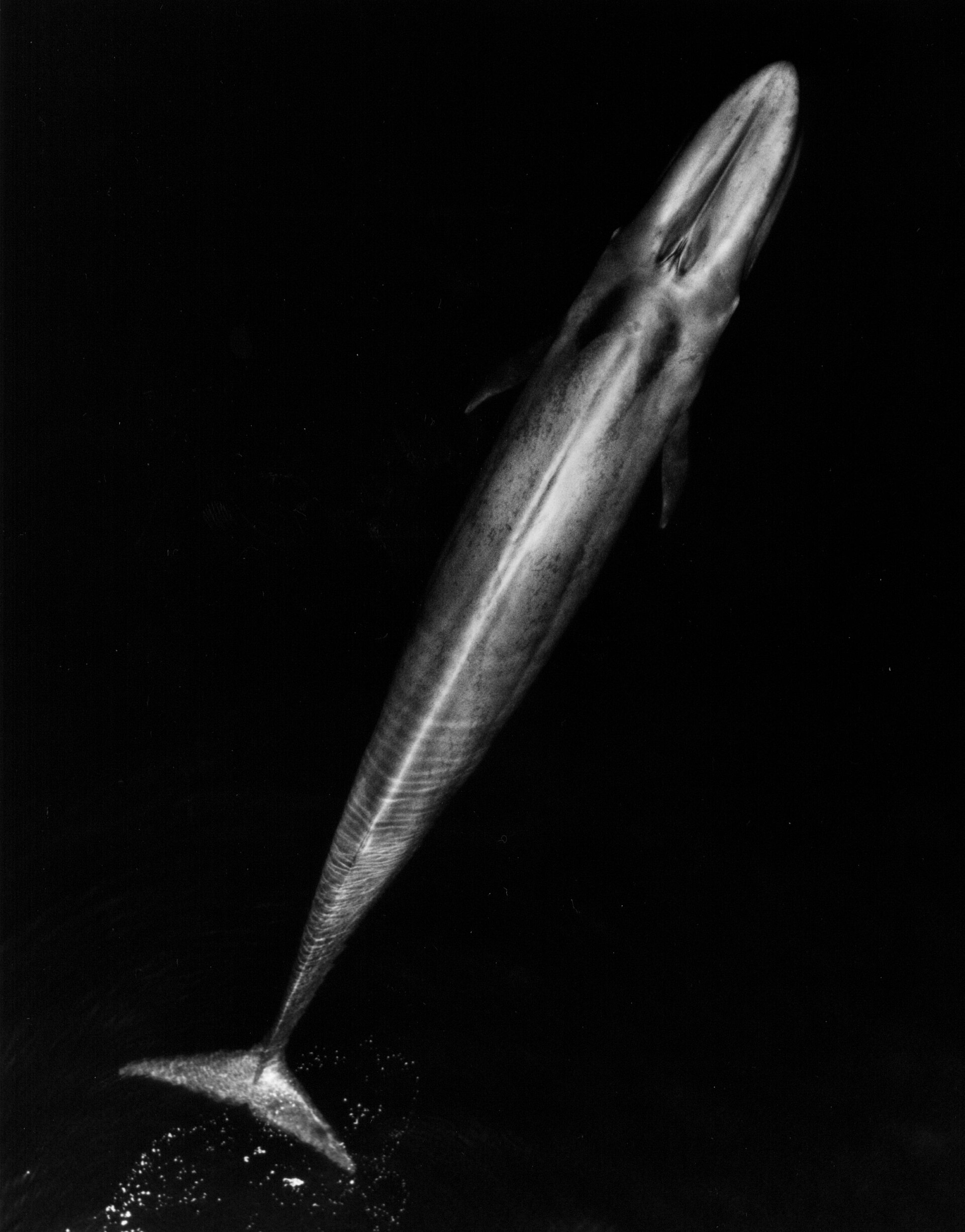
For all its size, the blue whale eats tiny shrimp-like creatures called krill, swallowed by the tonne. It is a baleen whale, meaning that instead of teeth it has plates of a bristly material called baleen hanging from its upper jaw. It gulps a huge mouthful of krill-filled water, then pushes the water out through the baleen, which traps the krill inside. In the rich feeding grounds of summer it may eat several tonnes of krill a day.
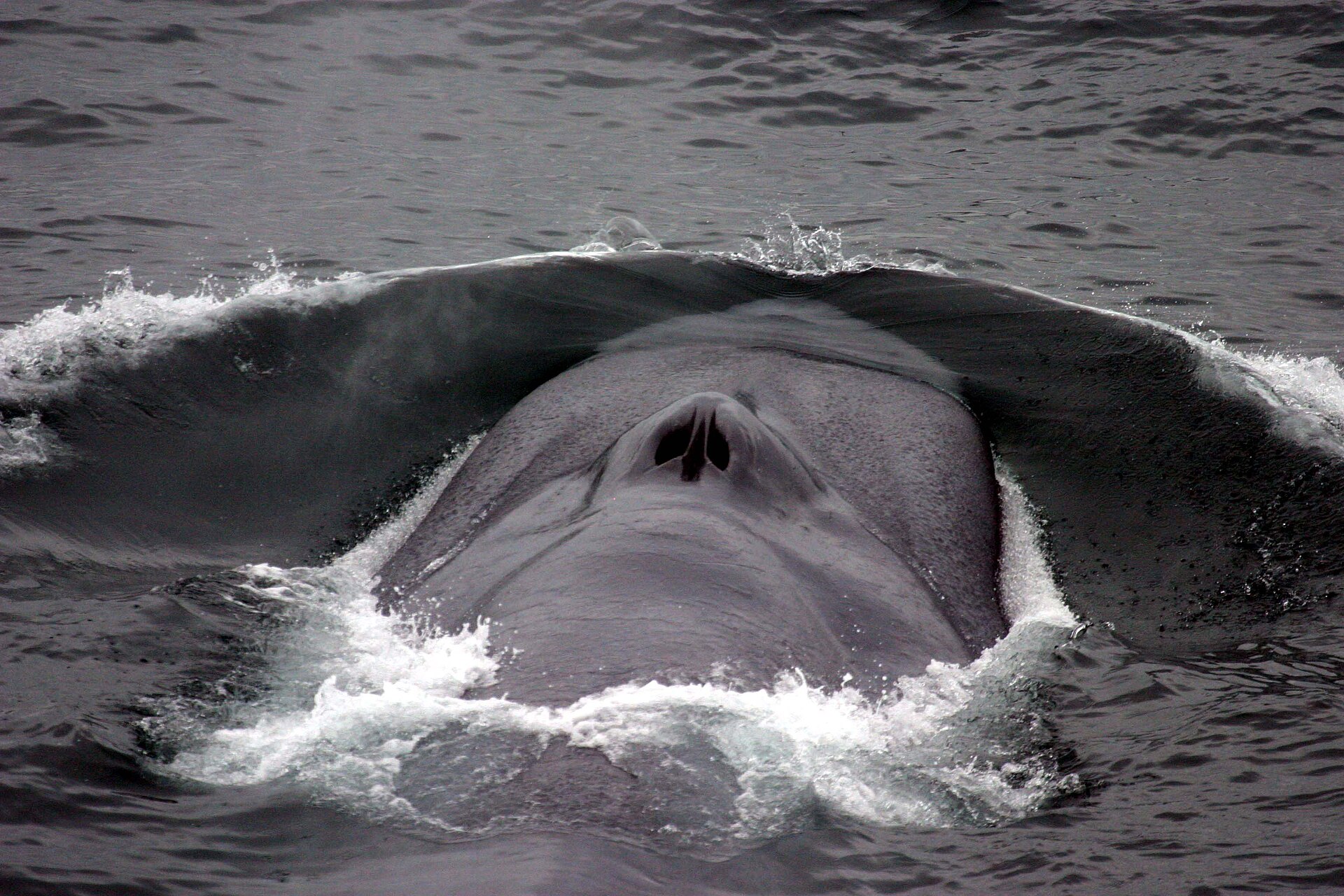
When a blue whale surfaces, it exhales explosively through the blowholes on top of its head, sending up a spout of warm, moist air that can rise nine metres or more, tall enough to spot from a great distance. This towering blow is often the first sign that one of these elusive giants is near.
Blue whales are among the loudest animals on Earth. They produce deep, powerful, low-frequency calls that can travel for hundreds of kilometres through the ocean, allowing whales to communicate across vast distances. Much about these songs is still mysterious, but they are thought to play a role in finding mates and staying in contact across the empty expanses of the sea.
For most of history the blue whale was too big and fast for humans to hunt, but modern whaling in the twentieth century slaughtered them in enormous numbers, driving the species to the edge of extinction. Since commercial whaling was largely banned, their numbers have slowly begun to recover.
Although blue whales are slowly returning, they remain endangered and face new threats from ship strikes, entanglement in fishing gear, and changes to the ocean that affect their krill. The blue whale endures as a symbol of both the wonder of nature and the harm humans can do to it, and of the slow hope that such harm can sometimes be undone.
