Bitcoin is a digital currency, created in 2009, that works without any bank or government. It was the first cryptocurrency, and it pioneered a new way of recording and transferring value over the Internet using cryptography and a shared public ledger.
Bitcoin lets people send value directly to one another over the Internet, without a bank or payment company in between. There are no physical coins or notes; a bitcoin is simply an entry in a vast shared record. This idea of money that needs no central authority was, when it appeared, genuinely revolutionary.
Every bitcoin transaction is recorded on a public ledger called the blockchain, maintained not by any single company but by a vast network of computers around the world. New transactions are gathered into "blocks" and added to a chain of all previous ones, creating a permanent, shared, tamper resistant record.
Clever cryptography keeps the system secure, ensuring that only the rightful owner can spend their coins and that the same bitcoin cannot be spent twice. There is no central guardian; instead, the network as a whole verifies and agrees on every transaction, a striking solution to the problem of trust without a trusted authority.
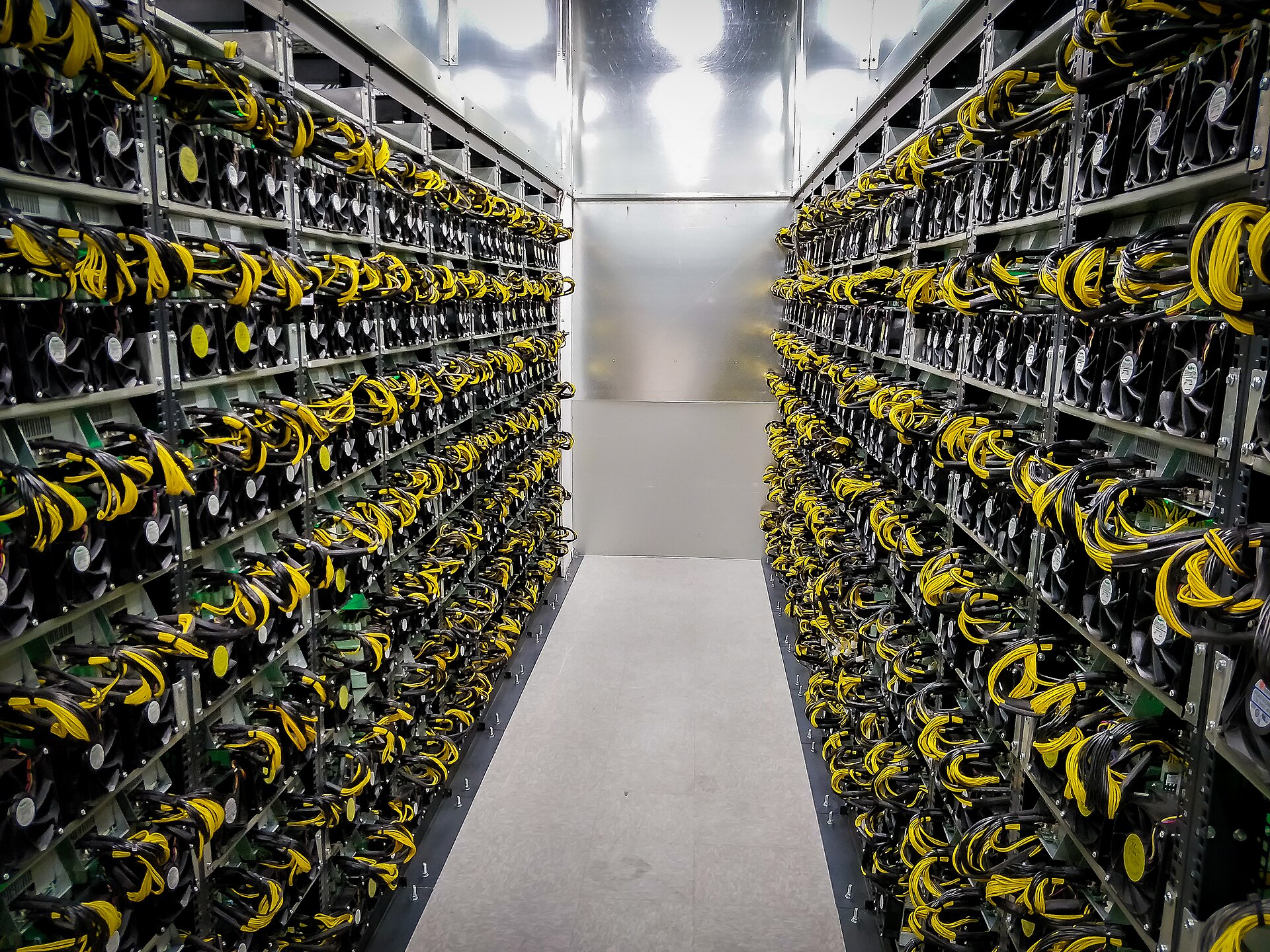
New bitcoins are created through "mining," in which powerful computers compete to solve hard mathematical puzzles. The winner gets to add the next block and earns newly created bitcoins as a reward, a process that also secures the network. The total supply is capped at 21 million coins, a built in scarcity supporters compare to gold.
Bitcoin was introduced in 2008 in a document published under the name Satoshi Nakamoto, whose true identity remains unknown to this day despite much speculation. The creator was active in the project's early years and then vanished, leaving behind a currency that would grow far beyond its obscure beginnings.
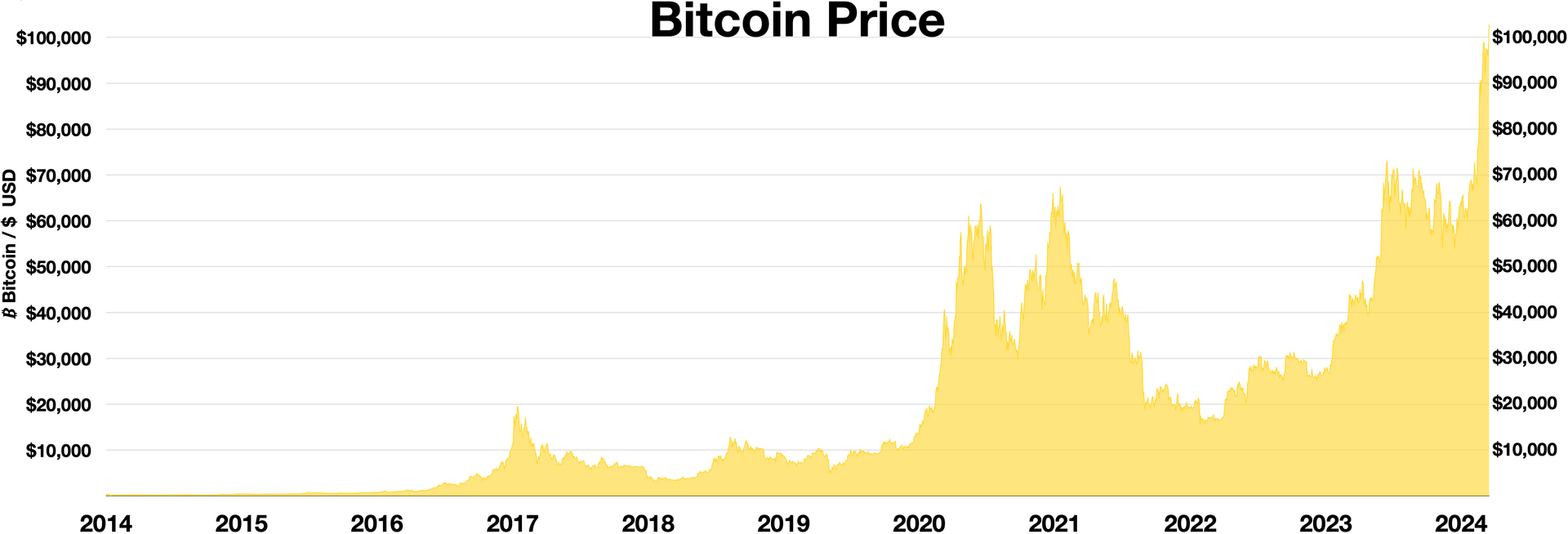
Bitcoin began as an obscure experiment among a small group of enthusiasts, with the first coins worth essentially nothing. Over the years it grew, at times spectacularly, into a global phenomenon worth, at its peaks, hundreds of billions of dollars, and it inspired thousands of other cryptocurrencies in its wake.
Supporters see Bitcoin as a revolutionary form of money: free from government control, resistant to censorship, limited in supply, and open to anyone with an Internet connection. To them it offers an alternative to traditional finance and a hedge against inflation and the power of central banks.
Critics, however, point to Bitcoin's wild price swings, which make it unreliable as everyday money, its use in crime and fraud, and the enormous amounts of electricity its mining consumes. Whether Bitcoin becomes a lasting part of the financial world, or remains a speculative experiment, is still very much an open question.
