
Many birds travel thousands of miles between breeding and wintering grounds, often returning to the very same spot year after year. How they find their way with such precision is a remarkable puzzle, and the details remain genuinely contested.
Migratory birds perform some of the greatest feats of navigation in nature. Some fly across whole oceans and continents, by day and by night, in fog and clear skies. Most astonishing of all, young birds often make the journey for the first time alone, with no experienced guide, yet still find their way.
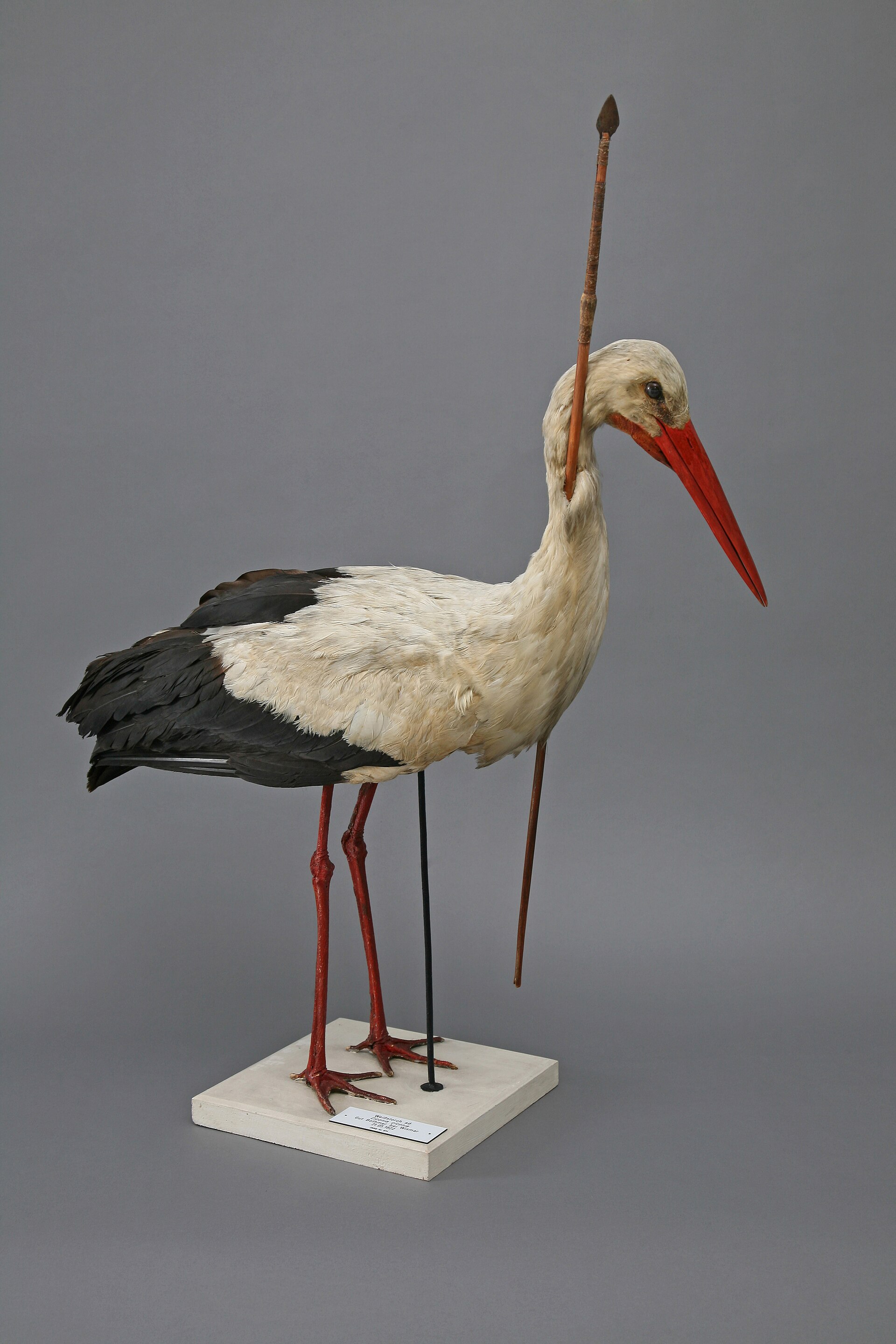
For centuries, where birds went each winter was a complete mystery, with some supposing they hibernated or even flew to the Moon. A famous clue came from a stork found in Europe with an African arrow lodged in its neck, proving the birds travelled to distant lands. Where they went is now known; how they navigate is still being unravelled.
Birds clearly possess a powerful sense of direction and position. They appear to draw on several different cues, combining them into a navigation system far more sophisticated than any single sense. Untangling which cues they use, and how they weigh them together, is the heart of the scientific challenge.
Birds can navigate by the Sun during the day, compensating for its movement across the sky, and by the patterns of the stars at night. Experiments in planetariums have shown that some birds orient themselves by the night sky, reading the heavens like a celestial map.

Most intriguingly, birds seem able to sense the Earth's magnetic field, using it like a compass to find direction even when the sky is hidden. This magnetic sense is real and well demonstrated, but exactly how birds detect a field so faint is one of the deepest puzzles in all of biology.
Two main ideas compete to explain the magnetic sense. One proposes tiny particles of a magnetic mineral in the birds' tissues that respond to the field. The other suggests a subtle quantum effect in proteins in the eye, which may let birds literally see the magnetic field as a pattern of light. Evidence exists for both.
Birds likely do not rely on any single sense but combine them, using the Sun, stars, magnetic field, landmarks, and perhaps even smells and sounds, switching between cues as conditions change. How they integrate so many sources of information into a single reliable course is itself a major question.
Evidence supports several mechanisms, and they may work together in ways not yet understood. The physics of the magnetic sense in particular remains genuinely unresolved. Untangling exactly how birds navigate, especially how they read the Earth's magnetic field, is an active and contested area of research.
