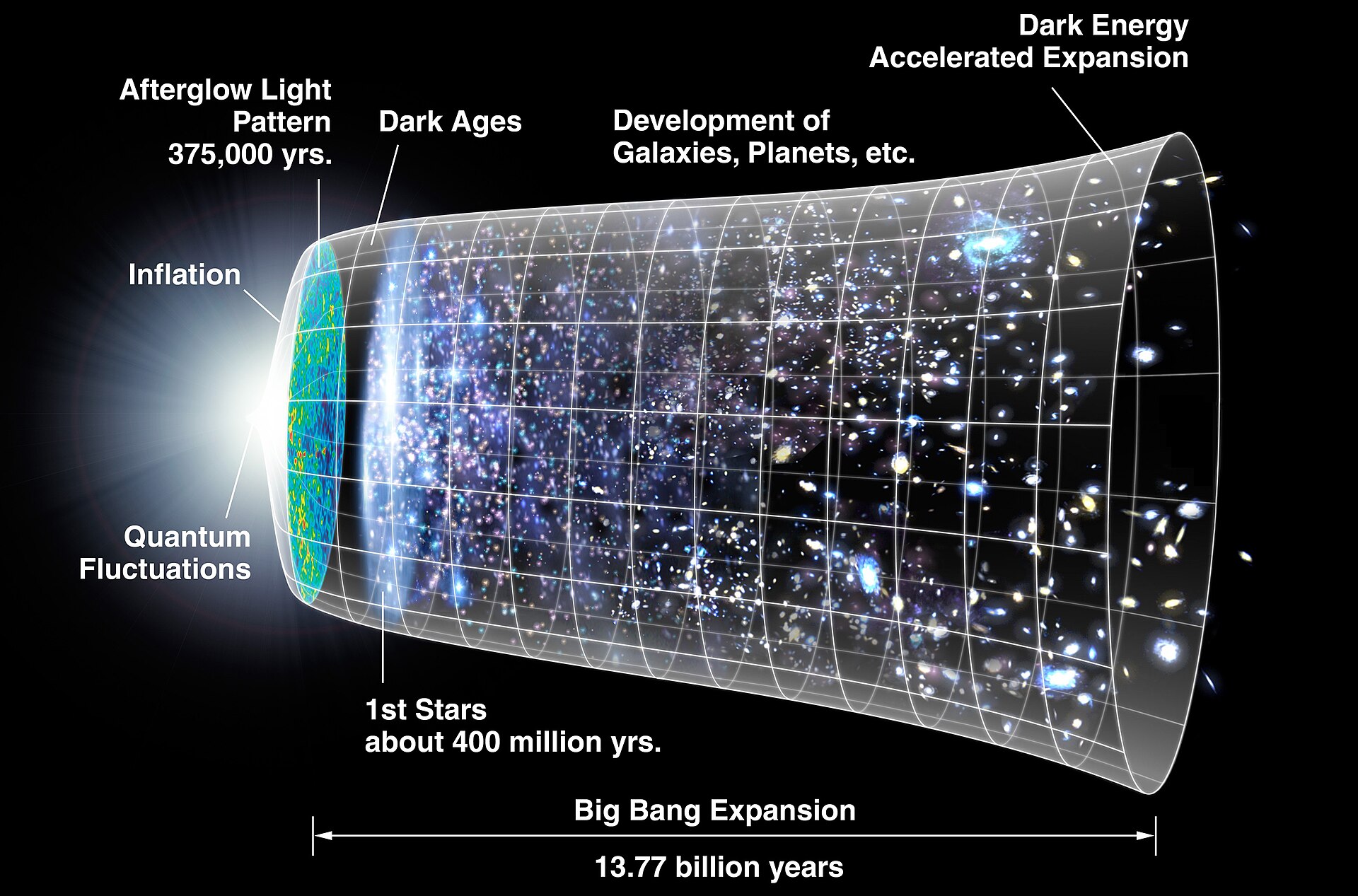
The Big Bang is the prevailing cosmological theory of how the universe began. It holds that the universe started about 13.8 billion years ago in an extremely hot, dense state and has been expanding and cooling ever since. It is not an explosion in space but an expansion of space itself, carrying galaxies apart from one another.
In the 1920s Edwin Hubble found that distant galaxies are receding, and the farther away they are, the faster they go. Run that expansion backward and everything converges toward a single hot origin. The theory describes how, as the young universe cooled, the first atomic nuclei and then atoms formed, eventually allowing light to travel freely for the first time.
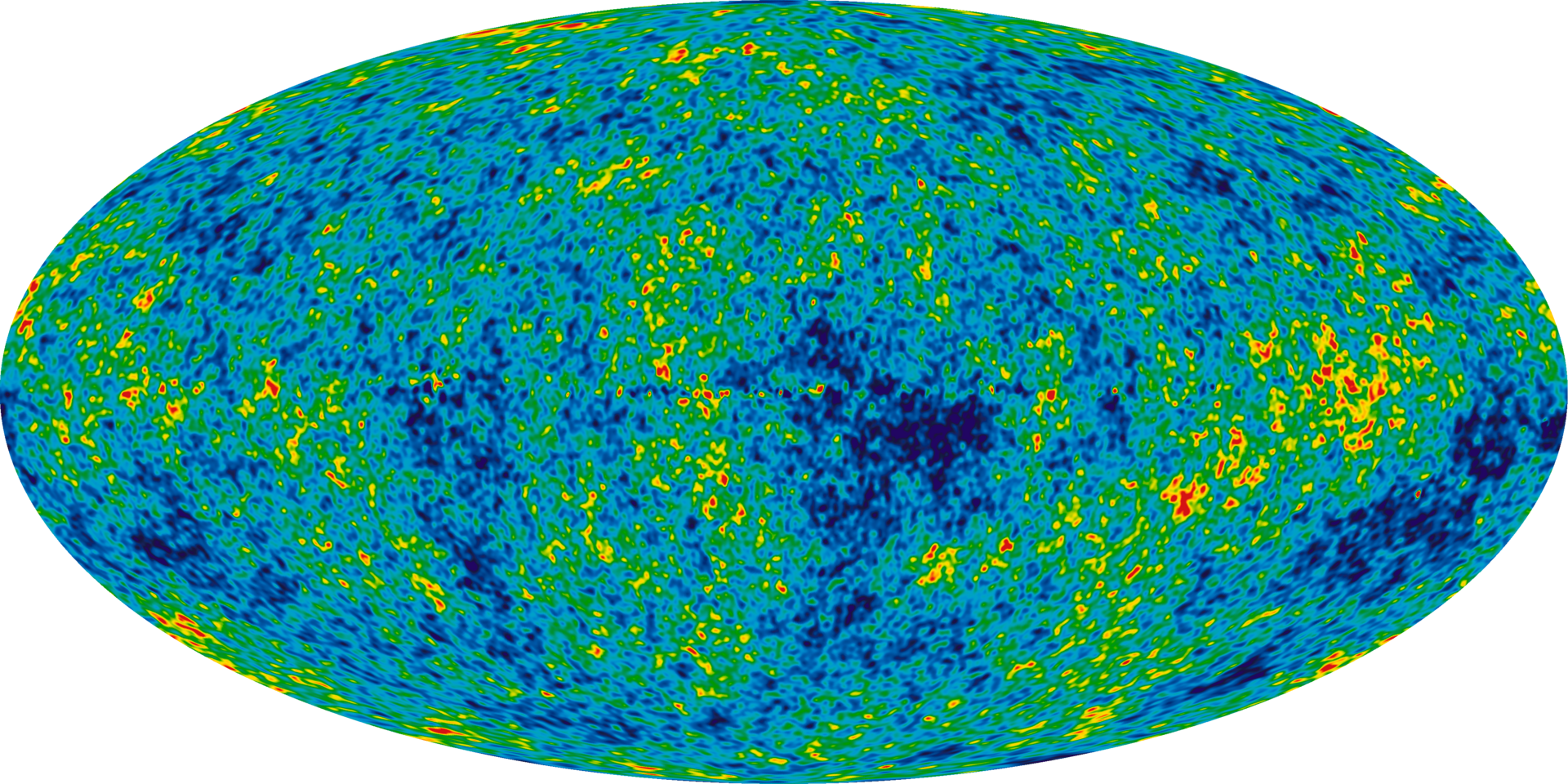
The single most powerful piece of evidence is the cosmic microwave background, discovered in 1965. It is the relic heat of the early universe, released when atoms first formed, and it fills the entire sky, glowing at almost exactly the temperature the theory predicts.
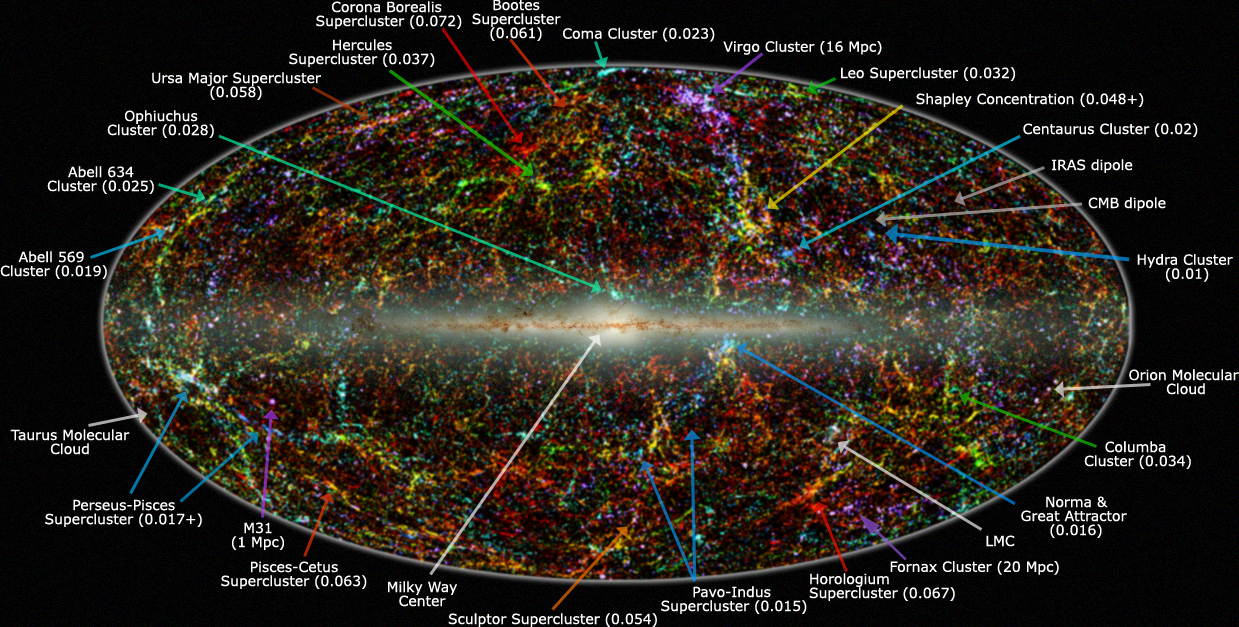
The Big Bang rests on several independent and mutually reinforcing observations. The observed abundances of hydrogen and helium match what should have been forged in the first few minutes, and the expansion itself is measured directly in the redshift of distant galaxies. No rival theory accounts for all of these facts at once.
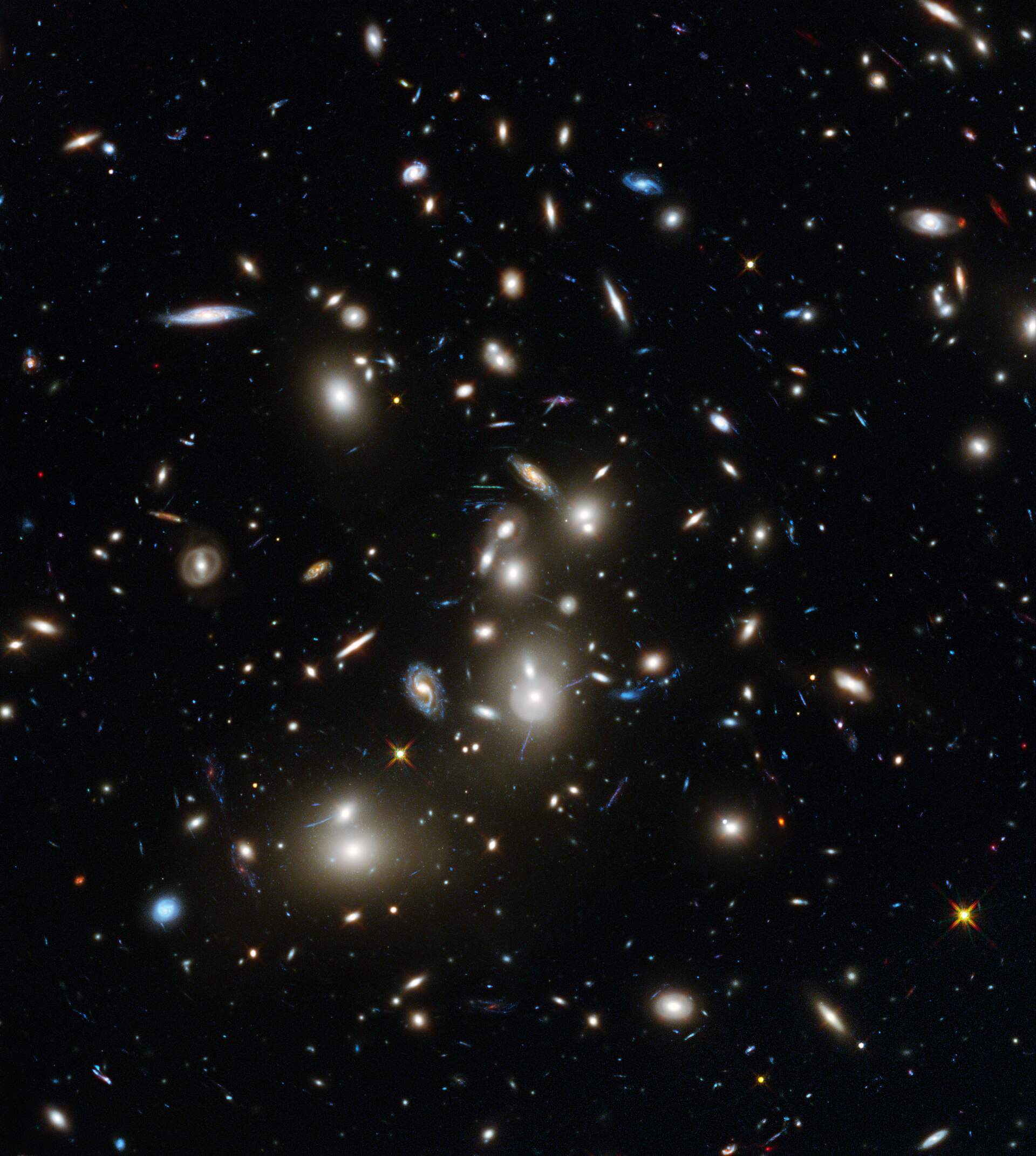
Because light takes time to travel, the deepest telescope images show the universe as it was billions of years ago. Astronomers can therefore watch cosmic history unfold, seeing younger, more chaotic galaxies the farther out they look, exactly as a gradually evolving universe requires.
The theory makes detailed, testable claims about the universe's infancy. In the first minutes, the cosmos was hot enough for nuclear reactions that forged the lightest elements, fixing the proportions of hydrogen and helium we still measure today. This early nucleosynthesis is one of the theory's great quantitative successes.
What happened in the very first fraction of a second is far less settled. The widely held idea of cosmic inflation, a brief burst of faster-than-light expansion, elegantly explains why the universe looks so uniform, but it has not been confirmed and remains a hypothesis. What, if anything, preceded the Big Bang lies beyond the reach of current physics, an open question rather than an established fact.
