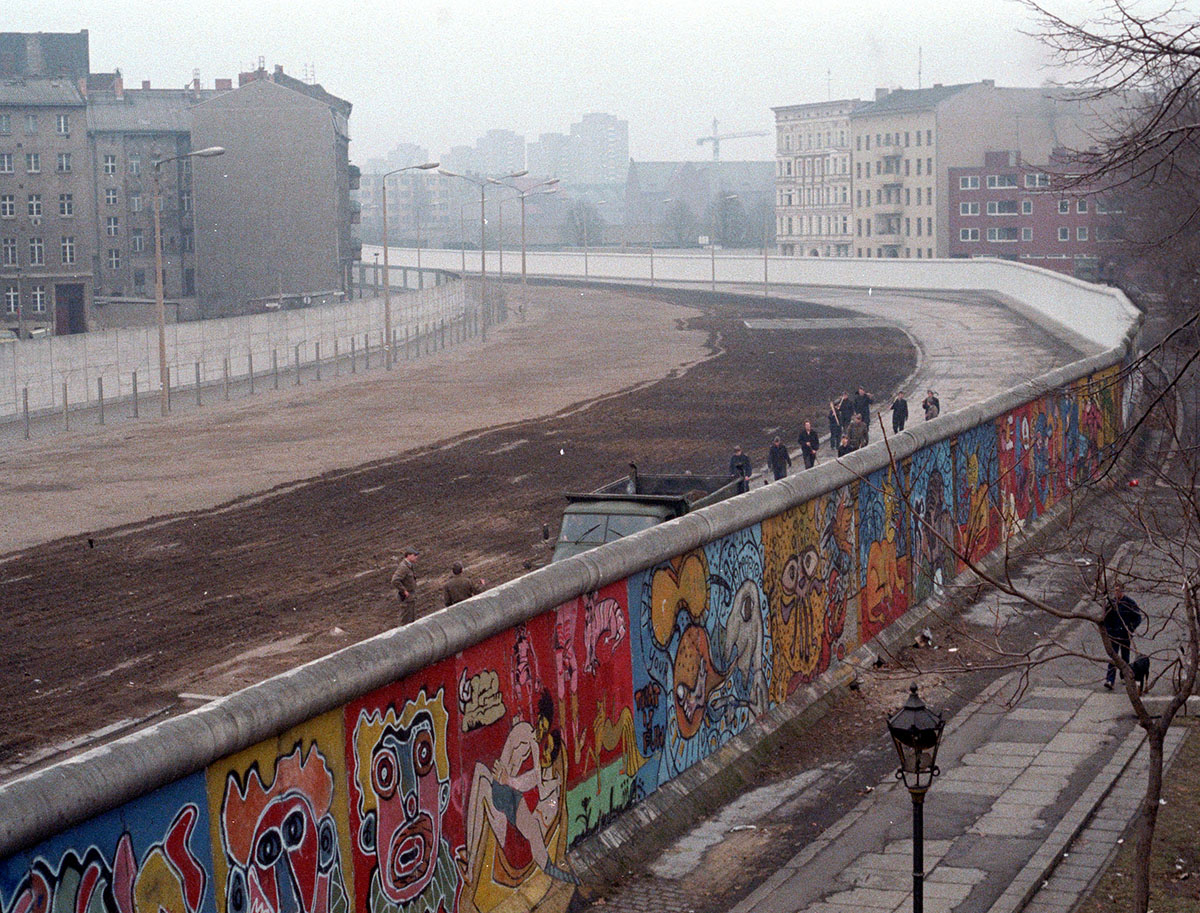
The Berlin Wall was a heavily guarded barrier that divided the city of Berlin from 1961 to 1989, separating communist East Germany from democratic West Berlin. It became the most powerful symbol of the Cold War and of a Europe split in two.
After the Second World War, Germany was split between the Soviet controlled east and the Western allies, and its capital, Berlin, though lying deep inside the east, was itself divided into sectors. West Berlin became an island of the democratic West surrounded by communist territory, a constant source of tension.
As living standards lagged in the east, huge numbers of East Germans fled to the freer, more prosperous West through Berlin, the one place crossing was still easy. To stop this drain, the communist government sealed the border almost overnight in August 1961, first with barbed wire and then with concrete.
The wall cut straight through streets, neighbourhoods, and even families, slamming shut overnight. People who worked or had relatives on the other side were suddenly cut off. Buildings on the border had their windows bricked up, and the line of the wall became a wound running through the heart of the city.
Over the years the wall grew into a fortified system: a high concrete barrier, a second inner wall, and between them a patrolled "death strip" with watchtowers, floodlights, tripwires, and guards under orders to shoot. It was designed not to keep enemies out but to keep a country's own people in.
Despite the dangers, many people tried to escape over, under, or through the wall, by tunnel, balloon, hidden compartments, and daring dashes. Some succeeded; well over a hundred are known to have died in the attempt, shot or killed at the border. Their stories became symbols of the longing for freedom.
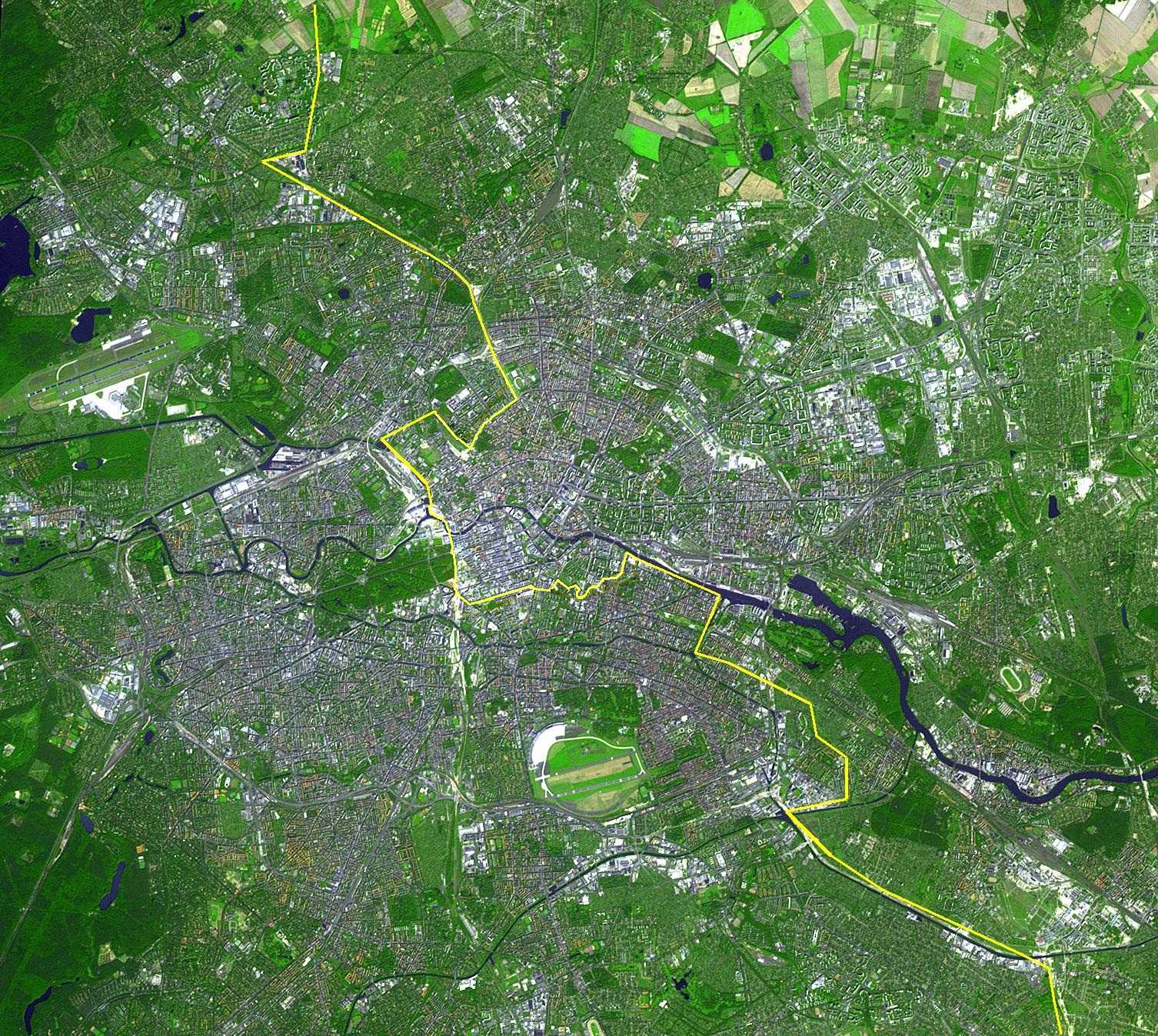
For nearly thirty years the Berlin Wall stood as the starkest emblem of the divide between East and West, between communism and democracy. World leaders made famous speeches before it, and it featured in countless films and books as the very image of the Iron Curtain that split the continent.
By 1989, reform was sweeping the communist world and mass protests filled East German streets. Amid confusion over new travel rules, on the night of 9 November the border was suddenly opened. Jubilant crowds swarmed the wall, climbing it and chipping away at the concrete in scenes of joy seen around the world.
The fall of the wall led to the reunification of Germany the following year and signalled the end of the Cold War. Pieces of it were sold or displayed around the world, and its course is now marked through the city. The Berlin Wall remains one of the great turning points of the twentieth century.
