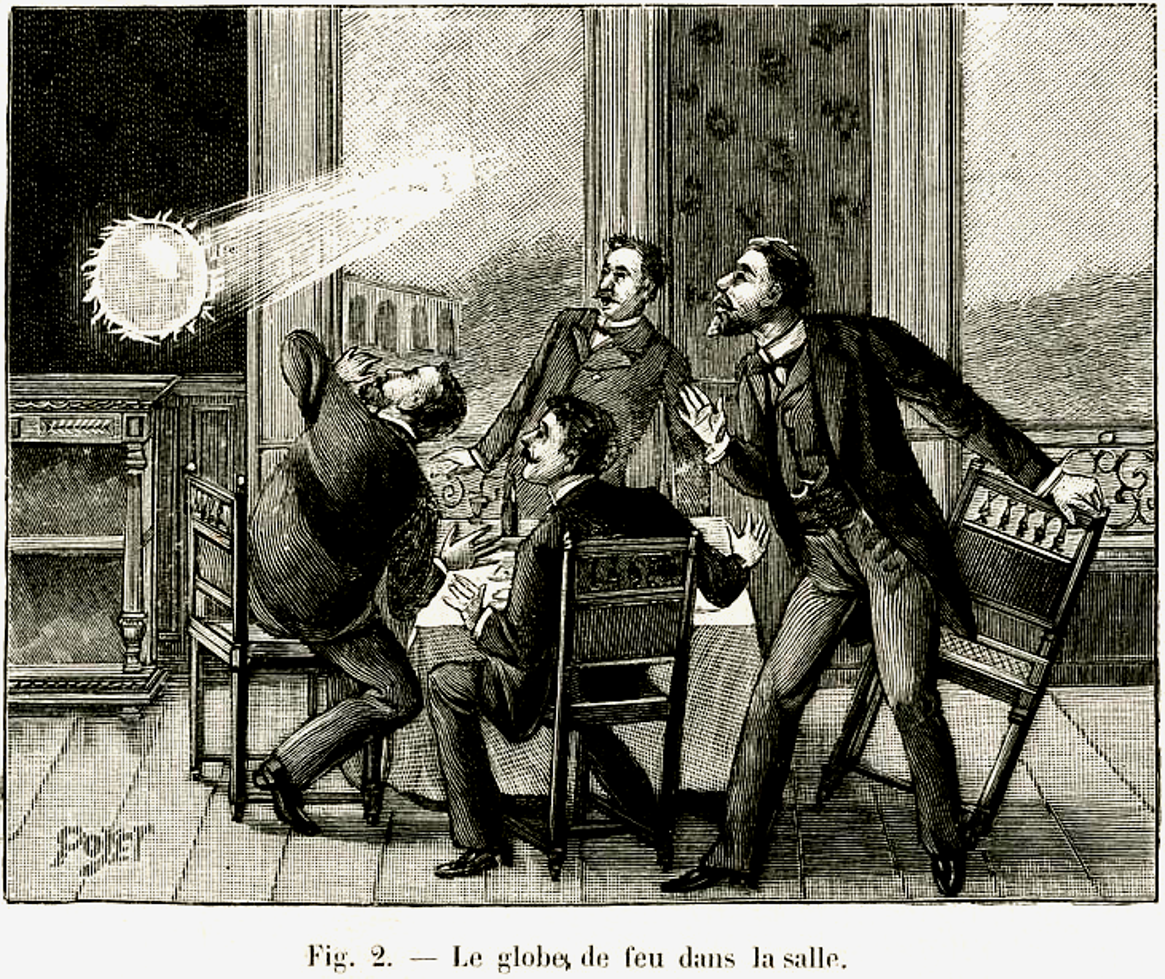
Ball lightning is a reported phenomenon in which a glowing, floating sphere of light appears, usually during thunderstorms. Many people claim to have seen it, but what it is, and even whether it is a single real phenomenon, remains genuinely contested.
For centuries, witnesses have described luminous balls, often the size of a grapefruit, drifting through the air during storms. They are said to glow with a steady light, move slowly and erratically, and last several seconds before vanishing or bursting, sometimes with a bang and a smell of sulphur.
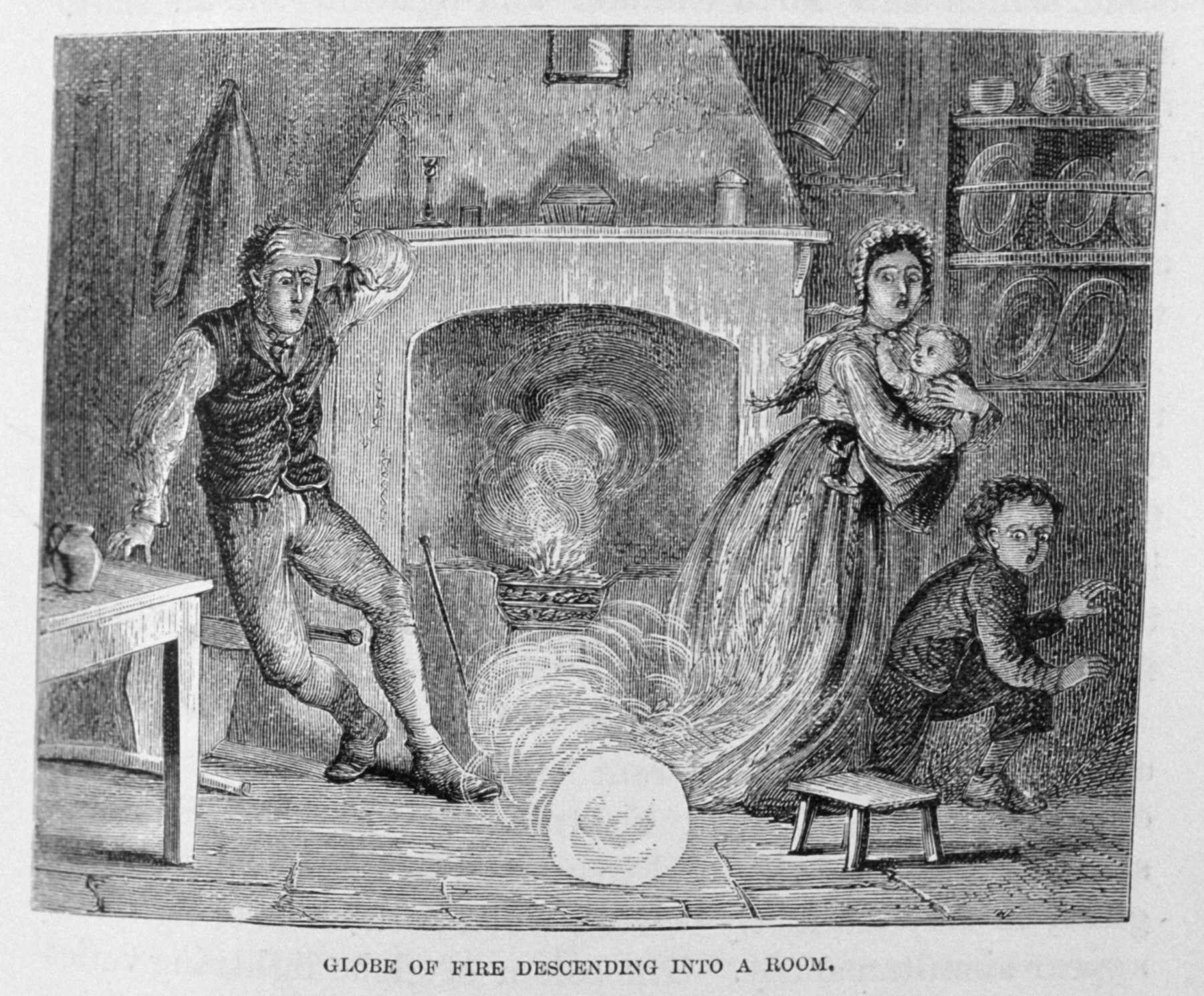
Reports of ball lightning come from many cultures and eras, from ancient times to the present day, and they are numerous and often strikingly consistent. Witnesses describe the balls passing through windows or down chimneys, rolling along surfaces, or floating through rooms before disappearing. This wealth of accounts is why scientists take the phenomenon seriously.
What makes ball lightning so hard to study is that it is rare, unpredictable, and brief. No one can summon it on demand, and it appears without warning, lasts only moments, and leaves little behind. Almost no clear scientific instrument has ever happened to be pointed at one when it occurred.
Ball lightning, if real, is quite different from the familiar bolt. Ordinary lightning is a brief, brilliant flash lasting a fraction of a second; ball lightning is described as a slow, persistent, floating glow. Explaining how such a stable, long lived ball of light could form is the central scientific challenge.
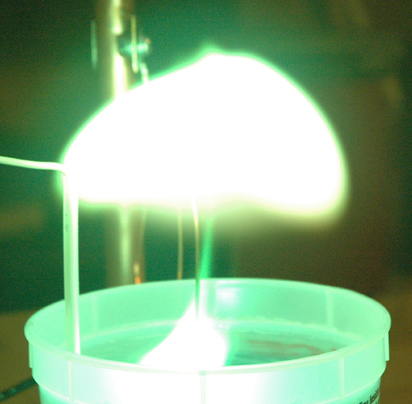
Among the leading explanations is the idea that ordinary lightning striking the ground vaporizes minerals, perhaps silicon, which then form a glowing, slowly burning cloud that floats away as a ball. Some laboratory experiments have produced glowing balls in this way that share certain features with the reports.
Other theories suggest ball lightning is a pocket of charged, glowing gas, a plasma, somehow held together, or that it is sustained by microwave energy trapped within a thin shell. Each idea can account for some reported features but struggles with others, and none fully reproduces the described behaviour.
Some scientists remain sceptical that ball lightning is a single, distinct phenomenon at all. They suggest that many sightings may be misperceptions, afterimages from a nearby lightning flash, or unrelated events lumped together under one name. Without a clear, repeatable observation, even its existence as one thing is debated.
The core difficulty is that ball lightning is fleeting, rare, and almost impossible to study on demand, so evidence rests largely on eyewitness accounts, which vary and can be unreliable. A few instruments have captured possible glimpses, but there is no agreed, repeatable observation. Whether it is one phenomenon, several, or sometimes a trick of perception remains an open scientific puzzle.
