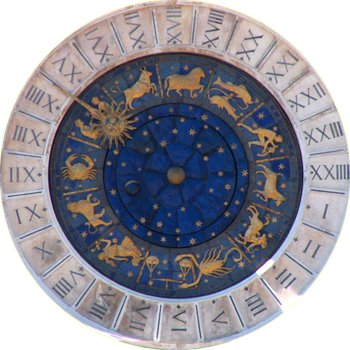
Astrology is the belief that the positions of the Sun, Moon, planets, and stars influence human affairs and personalities, and that they can be used to predict the future. Despite its long history and enduring popularity, astrology has been thoroughly tested and debunked as a means of prediction.
Astrology arose thousands of years ago, when many cultures watched the skies and linked celestial events to happenings on Earth. Without any way to explain the heavens scientifically, it seemed natural to suppose that the movements above governed events below, from the fate of kings to the success of harvests.
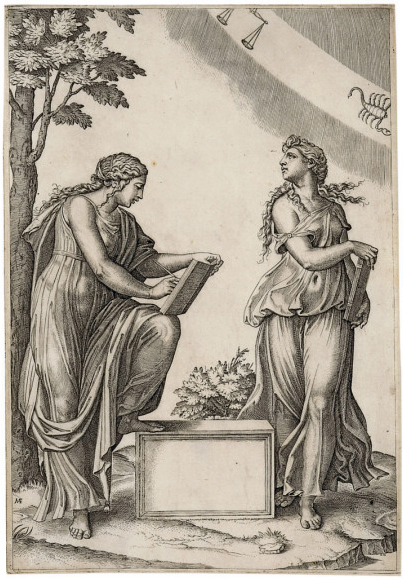
Astrology developed elaborate systems of zodiac signs, based on the constellations the Sun appears to pass through, and horoscopes, charts of the sky at the moment of a person's birth. From these, astrologers claim to read character and foretell events, assigning meaning to each planet, sign, and position.
For much of history, astrology was taken seriously by rulers and scholars and was closely intertwined with astronomy, its respectable sibling. Great astronomers such as Kepler cast horoscopes, often to make a living. Only gradually did the two part ways, as astronomy became a rigorous science and astrology did not.
When astrology is examined scientifically, it does not work. Carefully controlled studies have repeatedly found that astrological predictions and personality readings are no more accurate than chance, and that astrologers cannot match horoscopes to the people they belong to any better than random guessing.
There is also no known force by which distant planets could shape an individual's character or destiny. The gravity of the doctor delivering a baby is greater than that of distant planets, and the constellations themselves have shifted since the zodiac was fixed, so the signs no longer match the sky.
The vague, flattering statements typical of horoscopes feel accurate because they could apply to almost anyone, an effect psychologists call the Barnum effect. People also remember the hits and forget the misses, and read their own meaning into ambiguous words, giving astrology a persuasive power it has not earned.
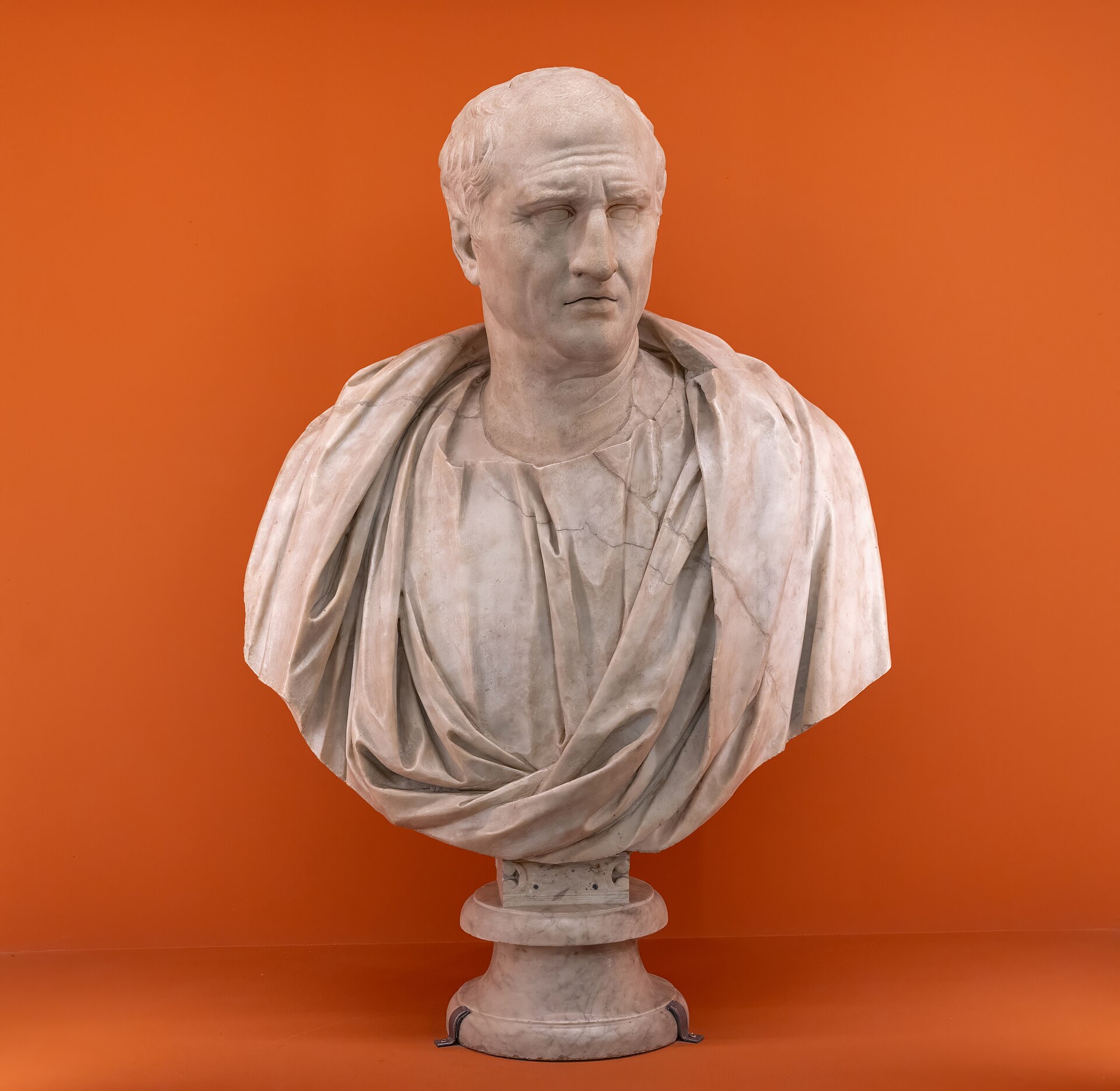
It is important to separate astrology from astronomy. Astronomy is the rigorous science of the cosmos, built on observation and evidence, while astrology is a belief system that has not withstood testing. Even in ancient times sceptics, including the Roman orator Cicero, raised sharp objections to it.
Astrology persists today as entertainment and a cultural tradition, woven into language and popular culture, and many find it fun or comforting. But as a tool for understanding personality or foreseeing the future, it stands clearly debunked, a fascinating relic of how humans once tried to read meaning in the stars.
