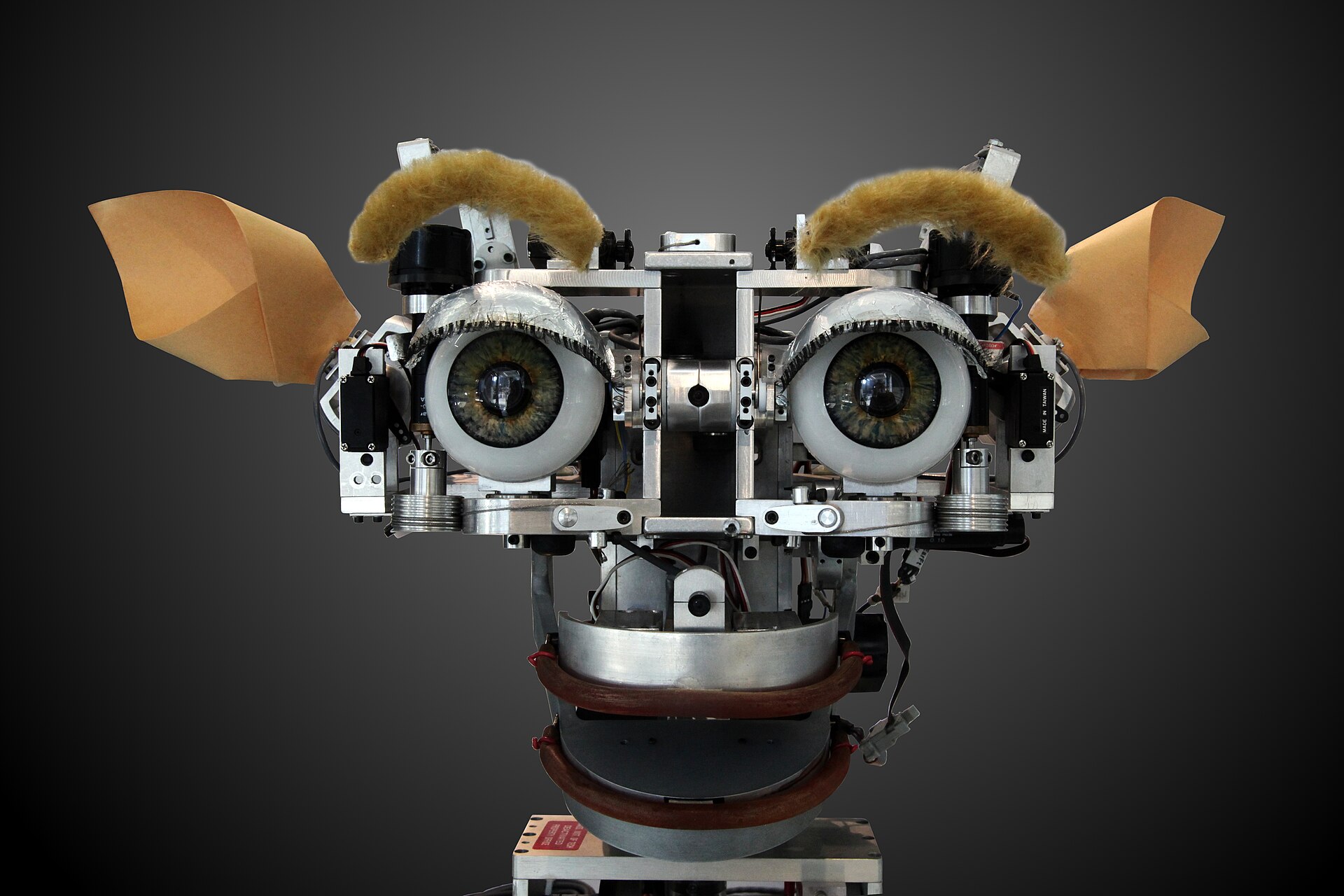
Artificial intelligence, or AI, is the field of computer science devoted to building machines that can perform tasks that normally require human intelligence, such as understanding language, recognizing images, and making decisions. Once science fiction, AI now shapes daily life around the world.
Artificial intelligence is a broad field, covering everything from simple programs that follow rules to systems that learn and adapt. Its goal is to create machines that can carry out tasks we associate with human thinking: perceiving, reasoning, learning, and problem solving. What counts as "intelligent" has shifted as machines grow more capable.

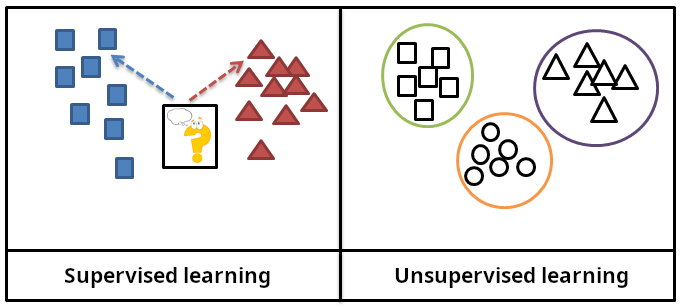
Modern AI is driven largely by machine learning, in which systems learn patterns from huge amounts of data rather than following rules written by hand for every case. Shown enough examples, a machine learning system can come to recognize faces, translate languages, or spot fraud, improving as it is fed more data.
A powerful approach called deep learning uses artificial "neural networks," layered systems loosely inspired by the brain. These networks can learn extremely complex patterns when trained on vast data and powerful computers, and they underlie many of the most impressive recent advances in AI, from image recognition to self driving cars.
AI is not new. The field was founded in the 1950s, and it has passed through cycles of soaring hope and bitter disappointment, often called "AI winters." Progress came in fits and starts until, in the last decade, a combination of more data, faster computers, and better methods sparked a dramatic surge of capability.
AI now quietly underlies countless everyday tools: search engines, recommendation systems that suggest what to watch or buy, voice assistants, spam filters, navigation apps, and fraud detection. Much of this works so smoothly that people rarely notice they are using artificial intelligence at all.
A recent wave of "generative" AI can produce new text, images, music, and code, and can hold remarkably fluent conversations. These systems, trained on enormous collections of human created material, have brought AI to a vast new audience and are transforming how people write, design, program, and create.
AI offers enormous benefits. It can accelerate scientific discovery, help diagnose disease, automate tedious work, translate between languages, and make information and tools more accessible. Used well, it has the potential to boost productivity and tackle hard problems across medicine, science, and industry.
But AI also raises serious concerns: about jobs lost to automation, bias built into automated decisions, threats to privacy, the spread of misinformation and convincing fakes, and the risks of powerful systems we do not fully understand or control. How societies harness AI's power while managing its dangers is one of the defining questions of our age.
