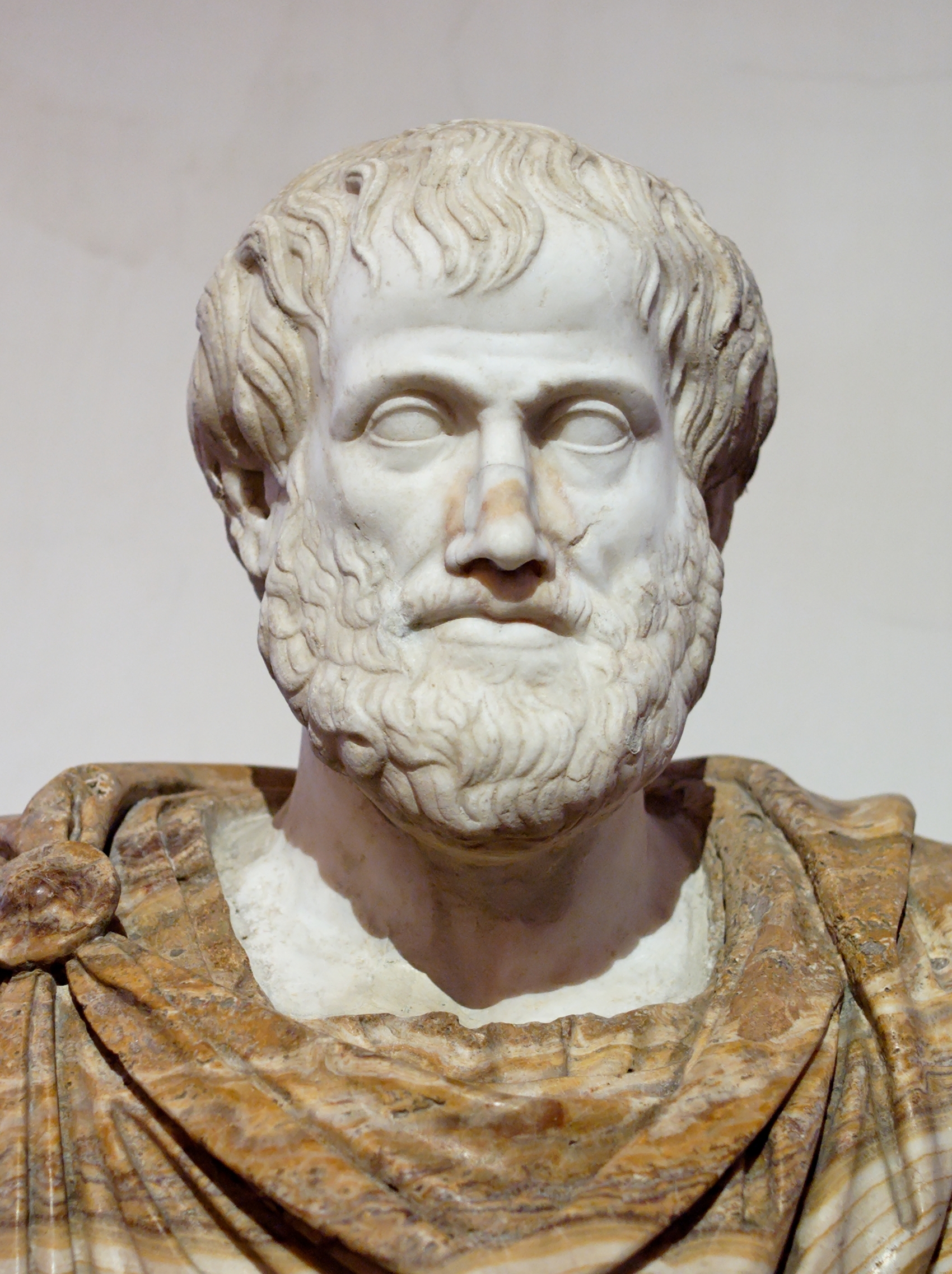
Aristotle (384 to 322 BC) was an ancient Greek philosopher and scientist whose work shaped Western thought for two thousand years. He wrote on an astonishing range of subjects and laid foundations for logic, biology, ethics, and many other fields.
Aristotle came to Athens as a young man to study at the Academy of Plato, the leading philosopher of the age, and remained there for twenty years. Yet he came to disagree with his teacher on a fundamental point. Where Plato emphasized abstract ideals beyond the world, Aristotle insisted on studying the real, observable world itself.
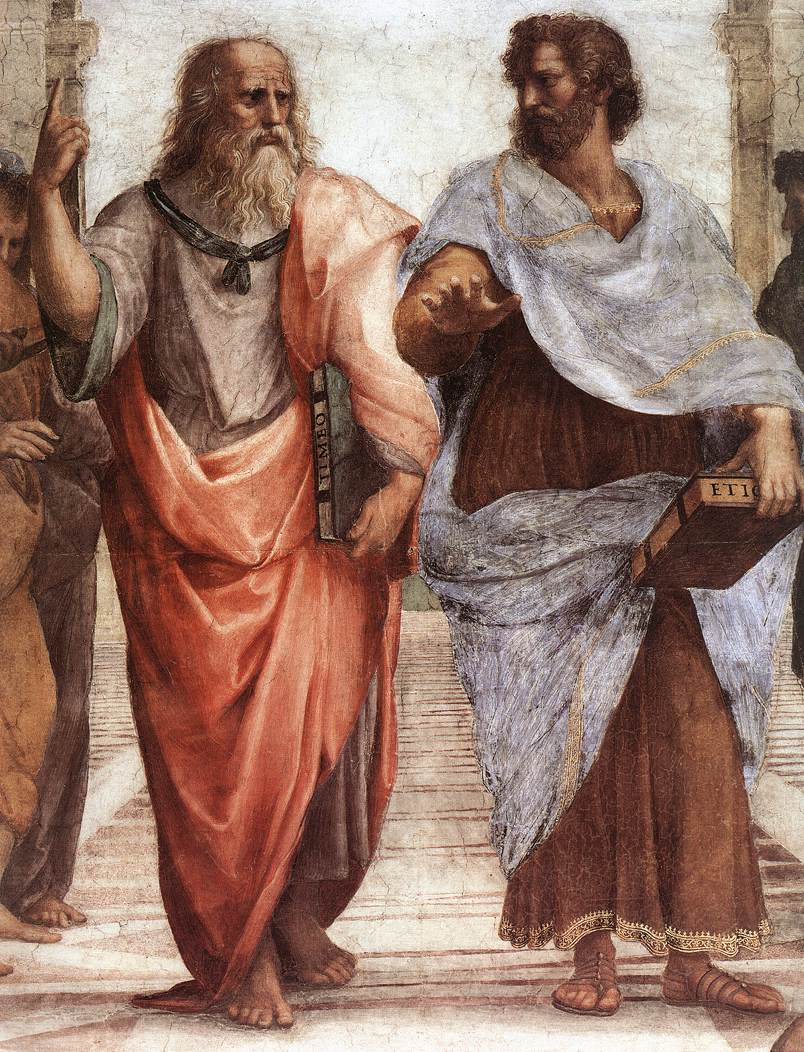
After leaving the Academy, Aristotle wrote on physics, biology, astronomy, politics, ethics, poetry, rhetoric, and more, in effect mapping out and naming many of the fields of knowledge we still recognize today. Few thinkers in history have ranged so widely or so systematically across the whole of human knowledge.
Among his greatest achievements was the creation of formal logic, a system for reasoning correctly from premises to conclusions. His analysis of valid argument went essentially unchallenged for some two thousand years and remains the foundation of the subject. To study logic, for many centuries, simply meant to study Aristotle.
Aristotle was also a pioneering natural scientist, carefully observing and classifying hundreds of kinds of animals, dissecting creatures, and recording their habits and structures. Though some of his conclusions were wrong, his method of gathering evidence and reasoning from it helped lay the groundwork for the scientific approach.

For a time Aristotle served as tutor to the young Alexander the Great, the future conqueror. The pairing of one of history's greatest thinkers with one of its greatest conquerors is striking, though how much the philosopher shaped the king is uncertain. Later, Alexander's conquests would spread Greek thought across the known world.
In ethics, Aristotle asked how a person should live to flourish, concluding that happiness comes from living virtuously and developing good character through habit, seeking a balanced "golden mean" between extremes. His thoughtful, practical approach to the good life remains influential in moral philosophy to this day.
After his death, Aristotle's works were preserved and later became central to medieval scholarship, both in the Islamic world, where scholars studied and built upon them, and in Christian Europe, where he was known simply as "the Philosopher," his authority second only to scripture in matters of reason.
