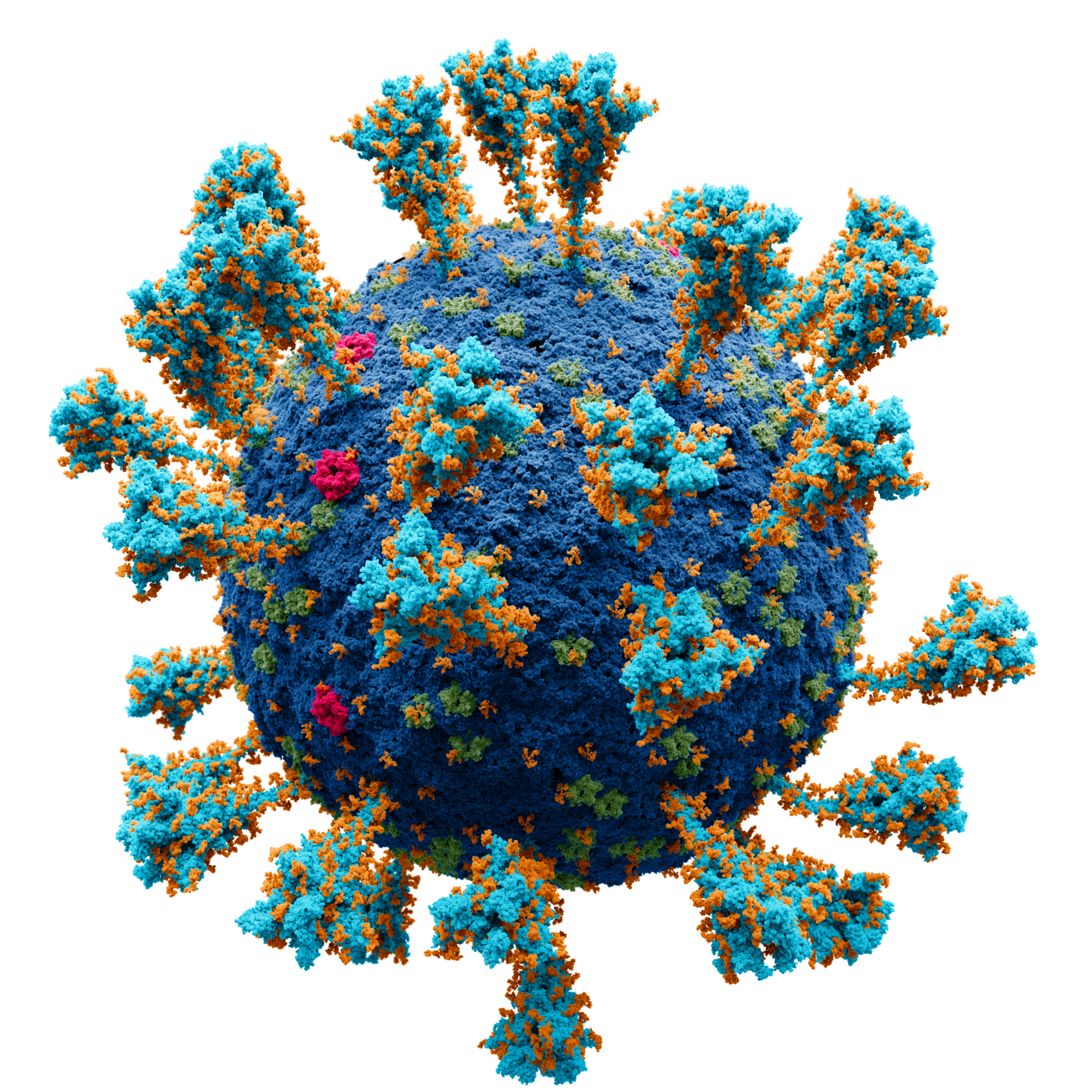
Whether viruses count as living organisms is a question biologists have debated for over a century, and there is still no settled answer. Viruses sit on the blurry boundary between life and non life, and how we classify them depends as much on how we choose to define life itself as on any fact about the viruses.
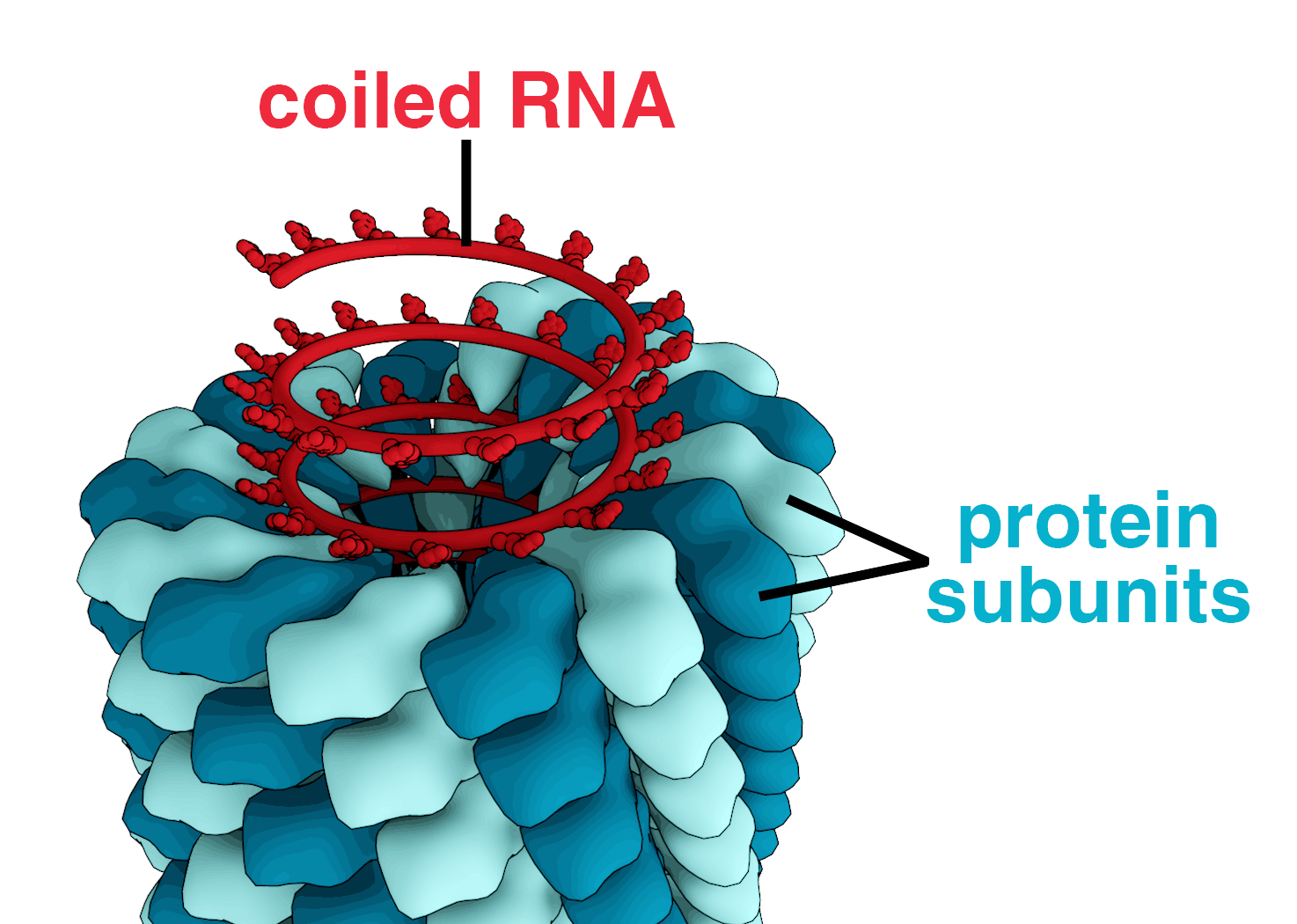
A virus is a tiny package of genetic material, either DNA or RNA, wrapped in a protein coat, and sometimes an outer envelope. On its own, outside a host, it does nothing at all. It cannot grow, move, generate energy, or reproduce.
Only when a virus enters a living cell does it spring into action, hijacking that cell's machinery to manufacture thousands of copies of itself, which then go on to infect other cells. This complete dependence on a host is at the center of the debate: a virus is inert on its own, yet ferociously active once inside us.
Those who argue viruses are not alive point out that they lack cells, the basic unit of all undisputed life. They cannot reproduce on their own, and they have no metabolism, no internal chemistry of their own. By the standard checklist biologists use to define life, a virus fails several of the key tests.
Those who argue viruses are alive counter that they carry genes, that they evolve by natural selection just as organisms do, and that they reproduce and adapt, even if only with a host's help. In this view, borrowing a host's machinery is just an extreme version of the way all parasites depend on others.
The disagreement is, at bottom, about where to draw the line around the word life, a line that nature itself does not draw cleanly. Some biologists call viruses living, some call them non living, and some prefer to place them in a category of their own, perhaps as something at the very edge of life.
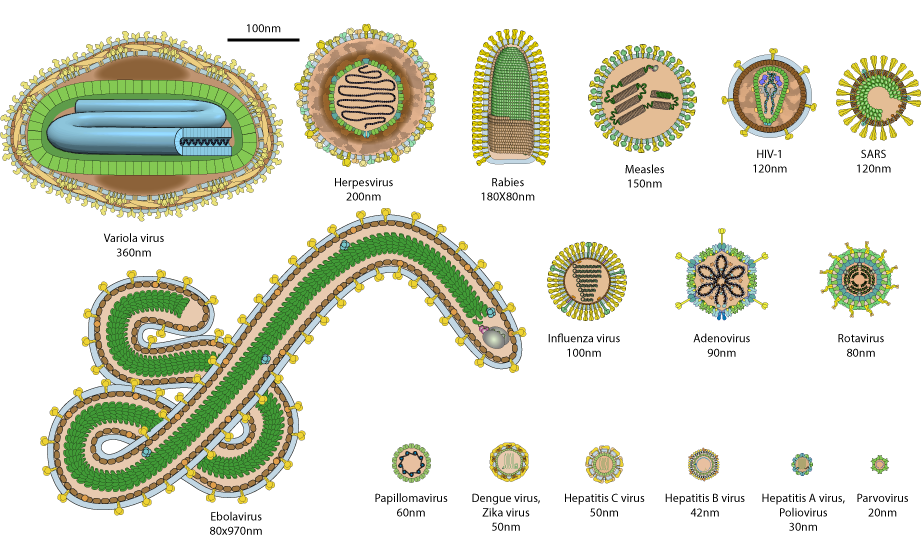
The discovery of giant viruses, some as large and genetically complex as small bacteria, has only muddied the boundary further. As biology uncovers ever stranger forms on the margins of life, the simple question of whether a virus is alive turns out to reveal how blurry the very idea of life can be.
