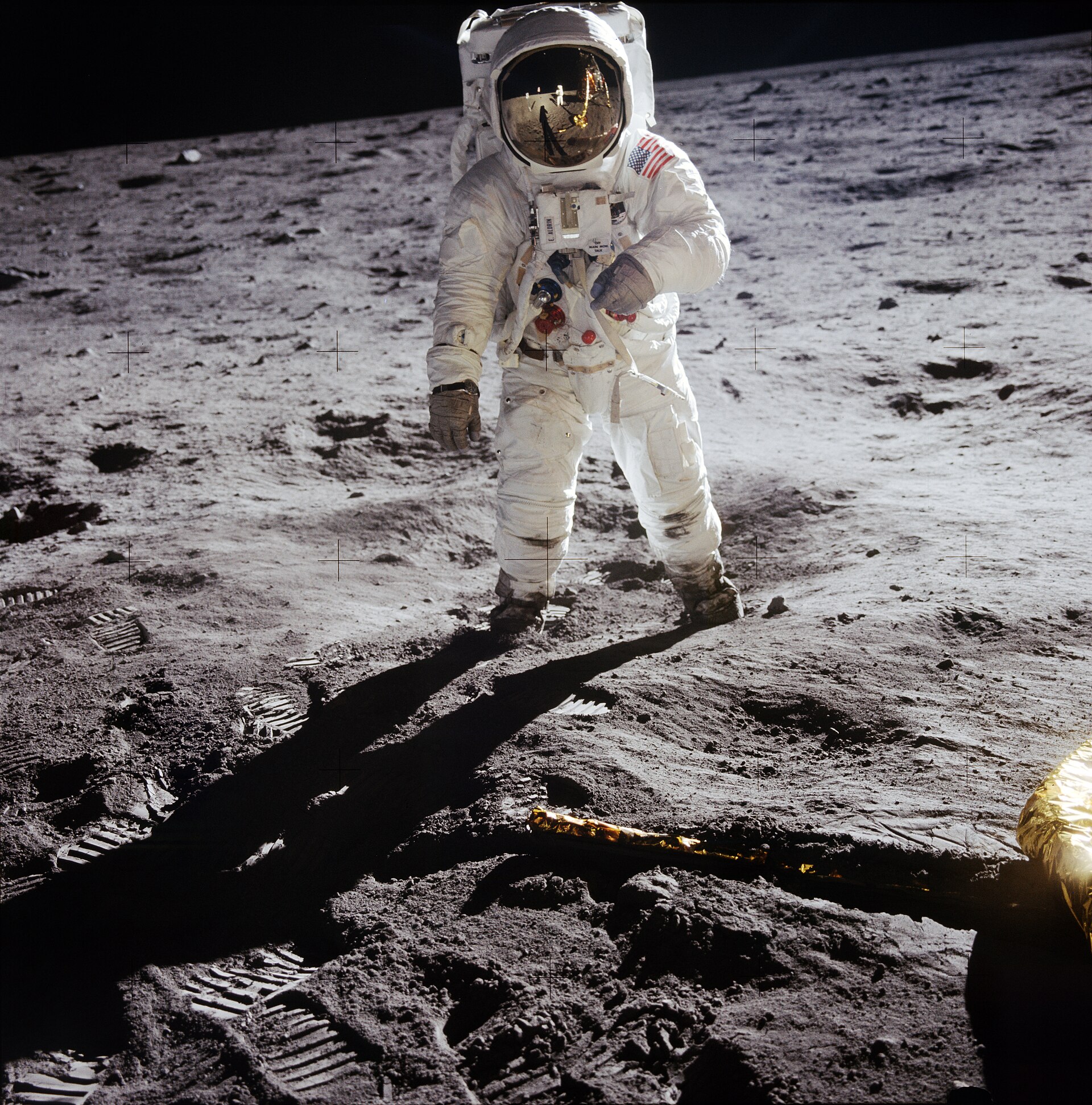
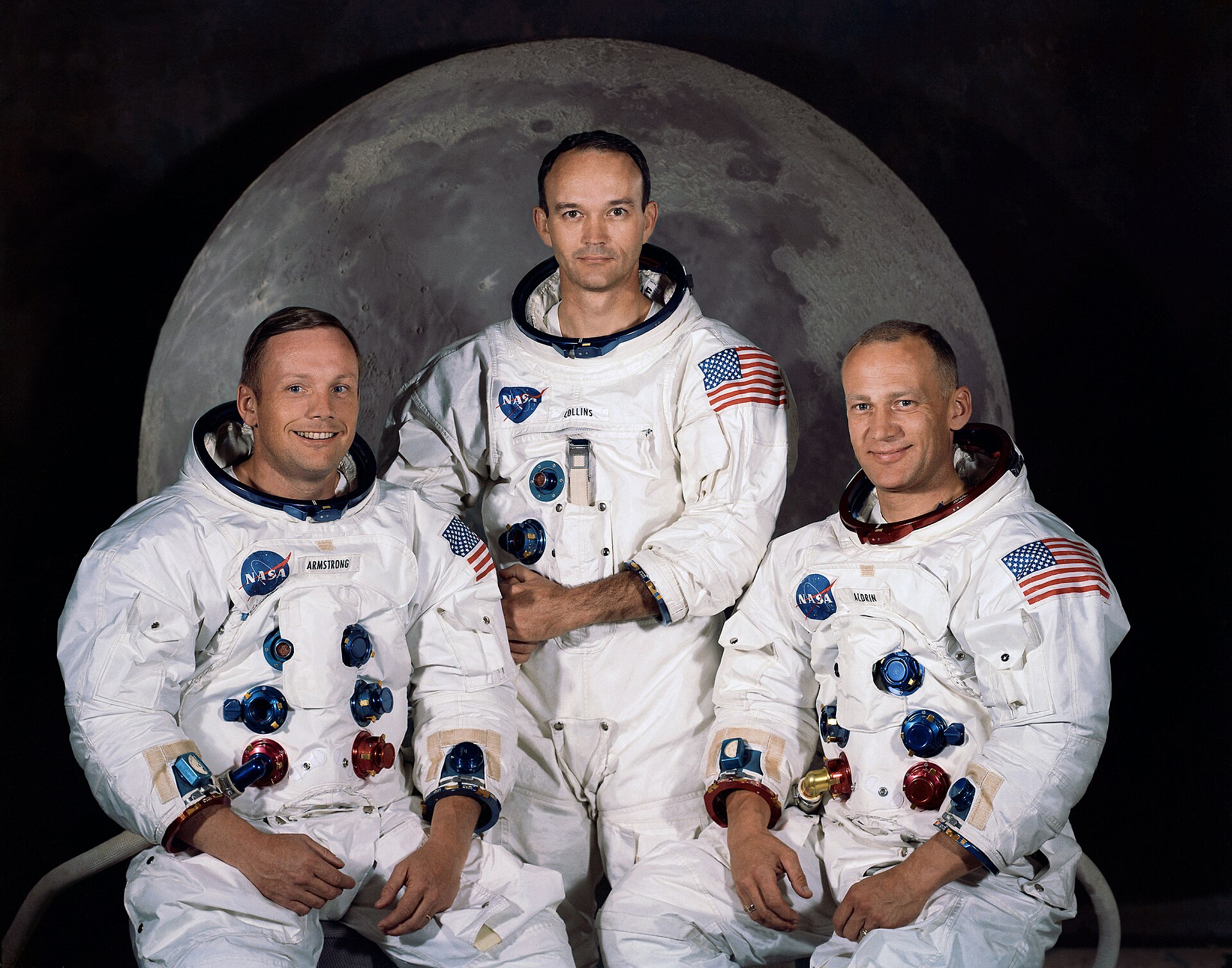
Apollo 11 was the spaceflight that first landed humans on the Moon. On July 20, 1969, the American astronauts Neil Armstrong and Buzz Aldrin walked on the lunar surface while Michael Collins orbited above, fulfilling one of the boldest goals ever set by a nation and watched live by hundreds of millions of people on Earth.
In 1961, President John F. Kennedy committed the United States to landing a person on the Moon and returning them safely before the decade was out. It was an audacious promise, made when the country had barely begun to fly humans in space at all.
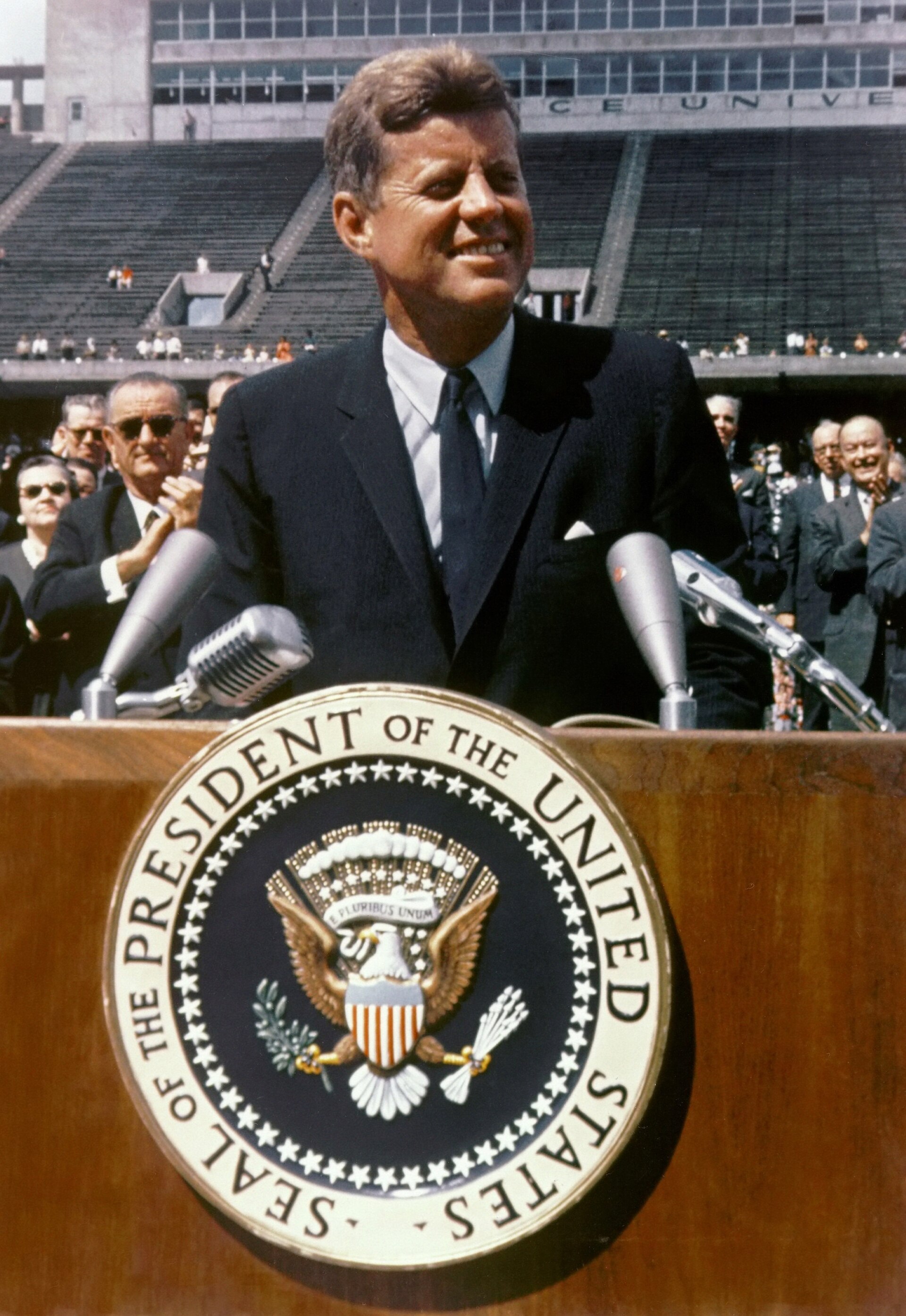
Kennedy's pledge set in motion the largest and most expensive peacetime engineering effort in history, eventually employing some four hundred thousand people. It was driven in part by the Cold War contest with the Soviet Union, which had stunned the world by launching the first satellite and the first human into space, and the United States was determined to take the lead.
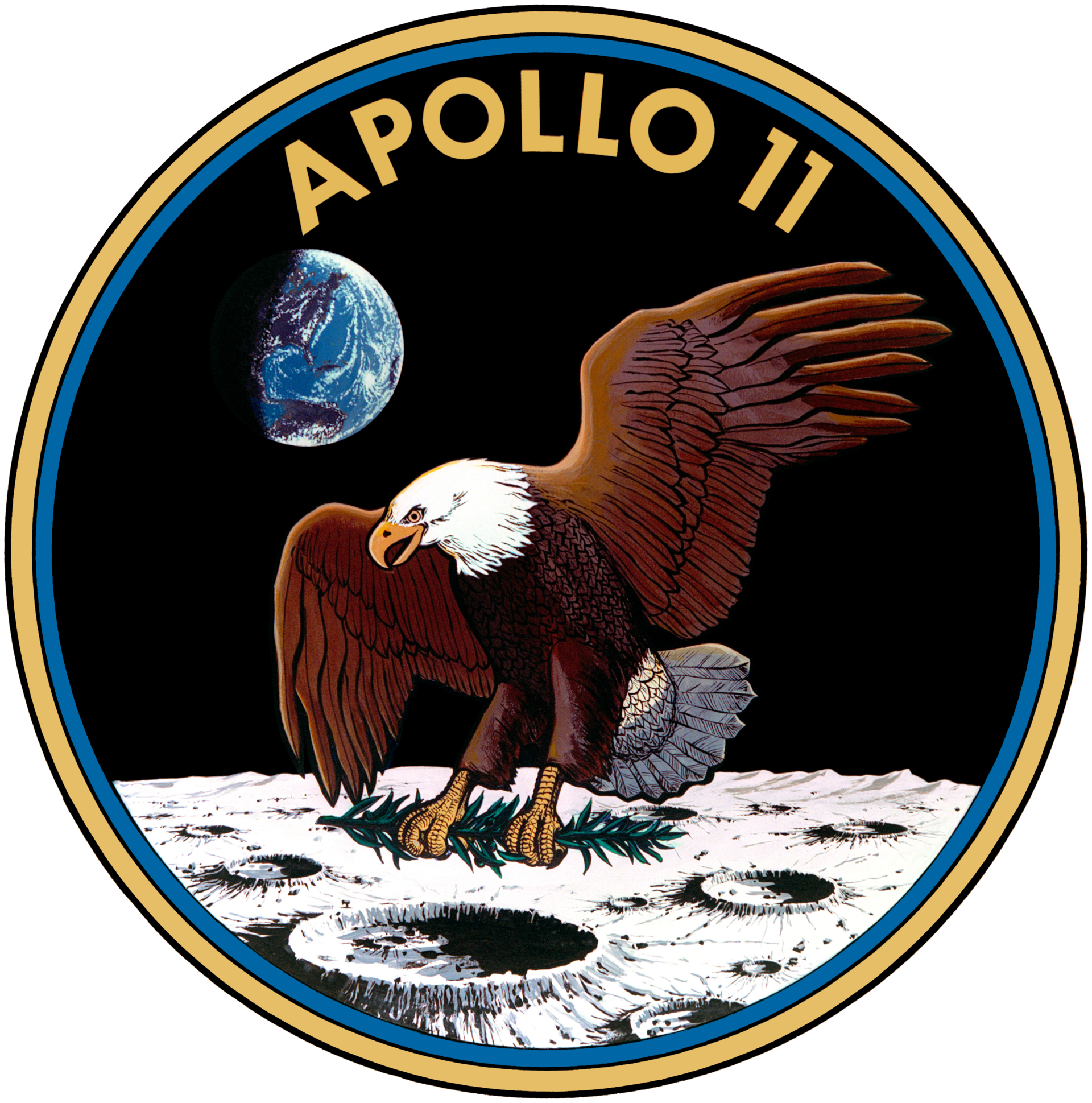
Apollo 11 launched on July 16, 1969, atop a Saturn V rocket, the most powerful machine humanity had yet built. Four days later, the lunar module Eagle separated from the command module and began its descent toward a flat plain called the Sea of Tranquility.
As the onboard computer guided the lander toward a field of boulders, with alarms sounding in the cabin, Armstrong took manual control and flew the craft past the danger to a safe spot, touching down with only seconds of fuel to spare. "The Eagle has landed," he radioed, and a held breath was released around the world.
As Armstrong stepped onto the surface, he spoke the words that became immortal: "That's one small step for man, one giant leap for mankind." The two astronauts spent about two hours outside the lander, collecting rock and soil samples, planting an American flag, setting up scientific instruments, and speaking by radio with the President, all while a television camera carried the scene to the largest audience the world had ever shared.
After rejoining Collins in orbit, the crew made the long trip back and splashed down safely in the Pacific Ocean on July 24. They returned as global heroes, though they first had to spend weeks in quarantine in case they had brought back any unknown lunar microbes.
Apollo 11 stands as a defining achievement of the twentieth century, a moment when something once confined to imagination became reality. It was followed by five more crewed landings through 1972, and the rocks and data they returned reshaped our understanding of the Moon and the early Solar System. More than half a century later, it remains a powerful symbol of what focused human effort can accomplish.
