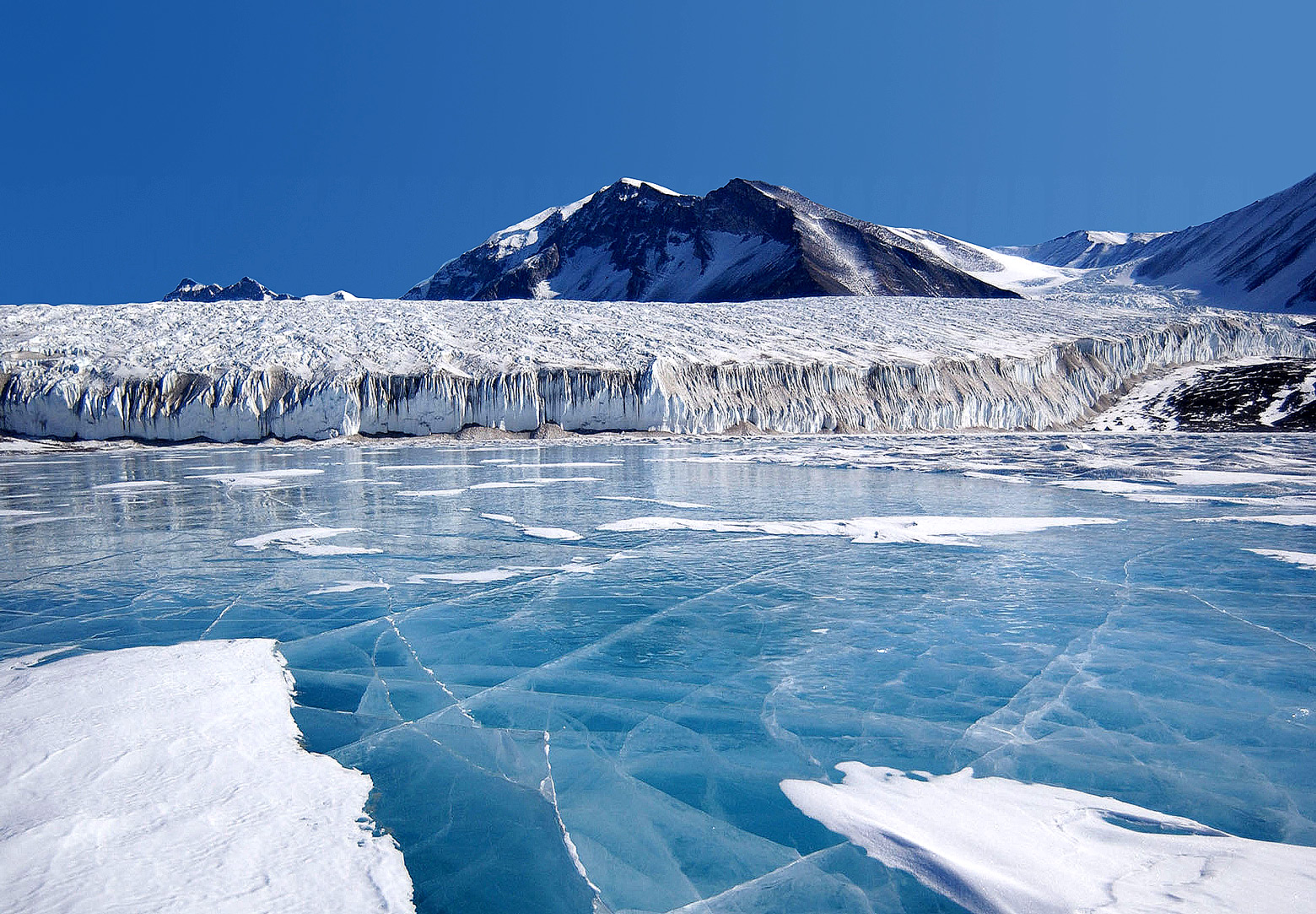
Antarctica is Earth's southernmost continent, a vast, frozen wilderness centred on the South Pole. It is the coldest, driest, windiest, and, on average, highest continent, almost entirely buried beneath a colossal ice sheet, and the only land on the planet with no permanent human population.
About 98 percent of Antarctica is covered by ice that averages well over a kilometre thick and reaches more than four kilometres in places. This single ice sheet holds the great majority of the world's fresh water; were it all to melt, global sea levels would rise by tens of metres.
Antarctica is also a desert: so little snow falls in the interior that, measured by precipitation, it is one of the driest places on Earth, the snow simply never melts and instead accumulates over millions of years. It is bitterly cold, too: the lowest natural temperature ever recorded anywhere on Earth, around minus 89 degrees Celsius, was measured here.
The frozen interior is nearly lifeless, but the coasts and the surrounding Southern Ocean are extraordinarily rich. Vast numbers of penguins, seals, whales, and seabirds depend on the ocean's swarms of krill, and the cold, nutrient-rich waters rank among the most productive on the planet. On land, life clings on as mosses, lichens, and microbes.
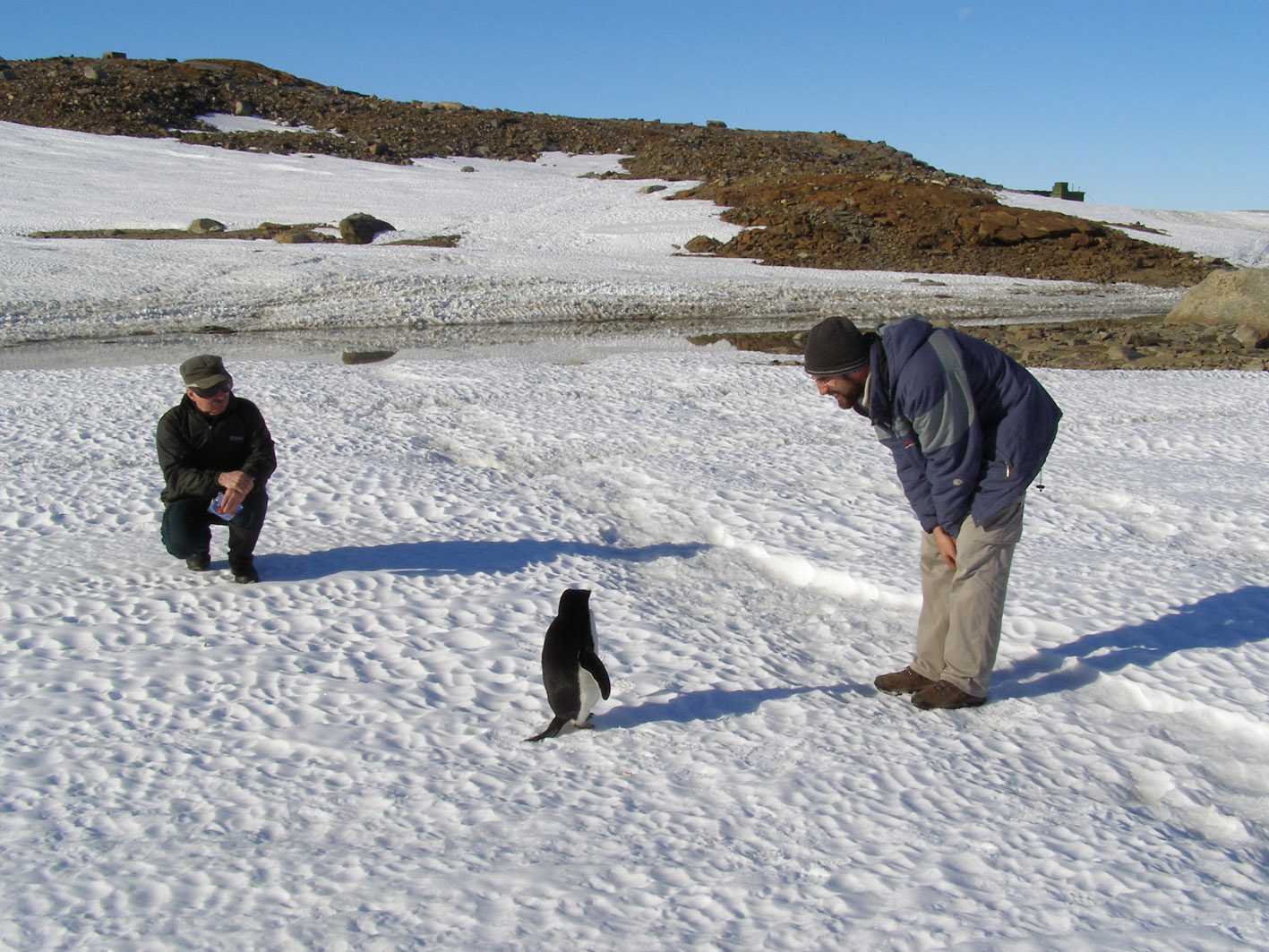
Antarctica is not flat. Mountain ranges run across the continent, and its highest peak rises to nearly 5,000 metres, surrounded by some of the most remote and pristine wilderness on the planet. Beneath the ice lie hidden mountains, valleys, and even liquid lakes, sealed off from the outside world for millions of years.
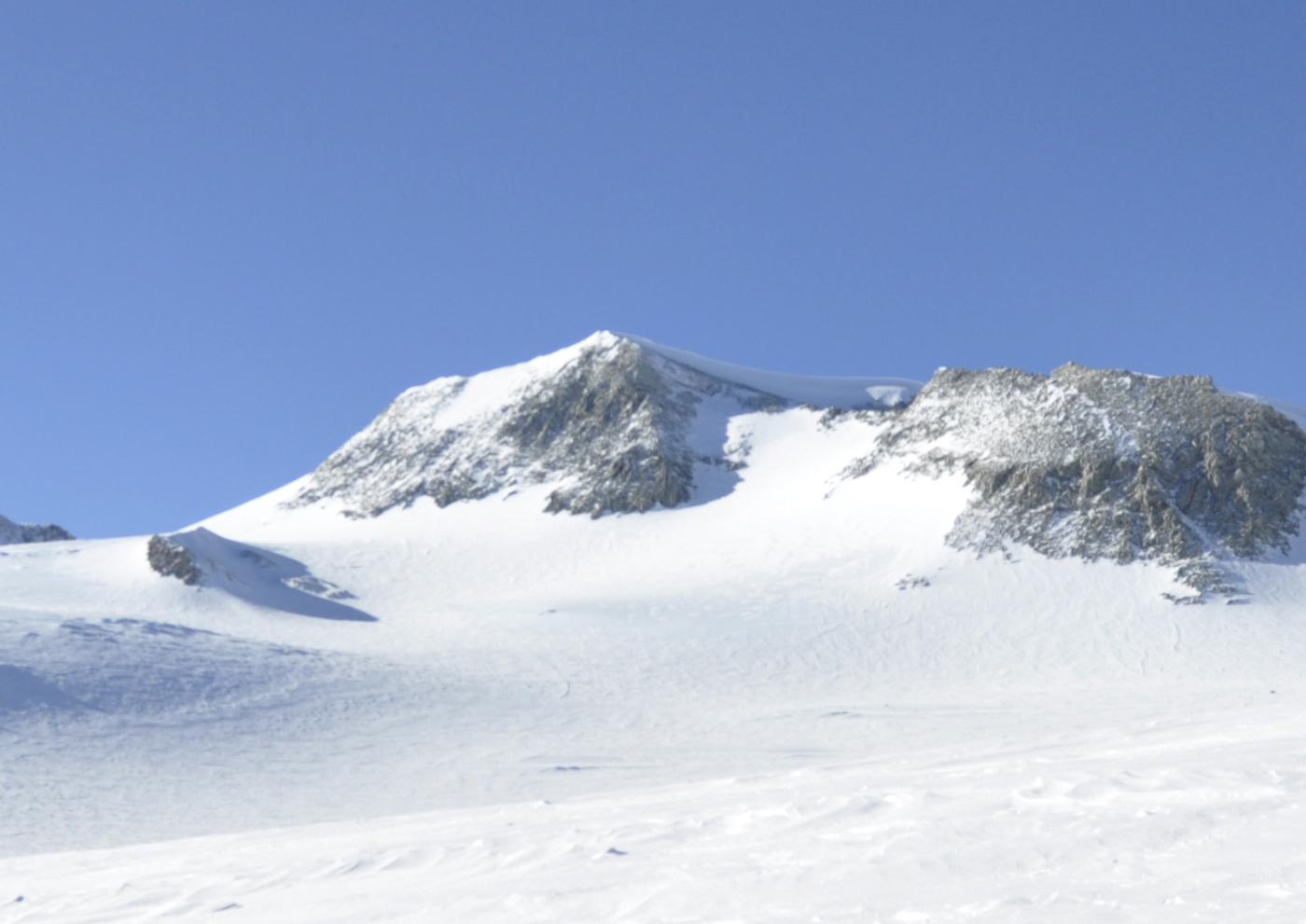
Antarctica was not always icy. Hundreds of millions of years ago it lay at the heart of the supercontinent Gondwana, joined to Africa, South America, India, and Australia, and was covered in forests. Fossils of ancient plants and even dinosaurs found in its rocks record that warmer past and helped confirm the theory of continental drift.
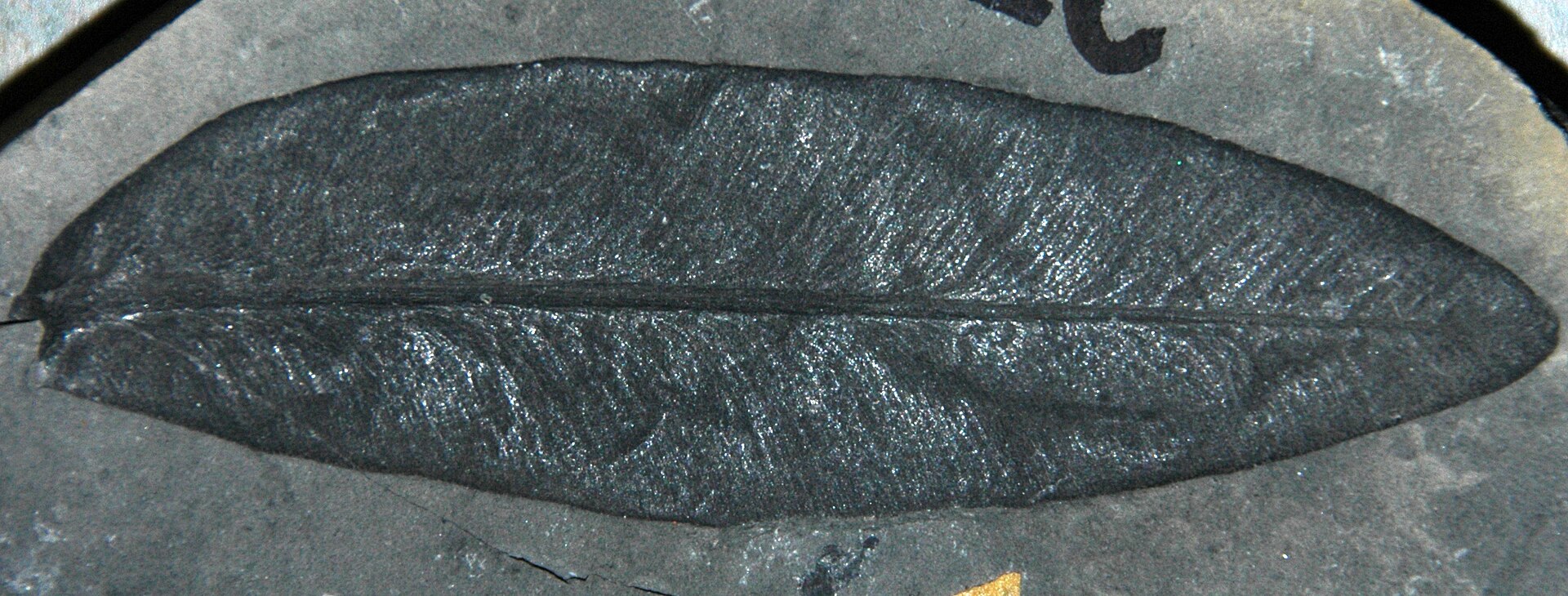
Today Antarctica's deep ice cores preserve a continuous record of the atmosphere stretching back hundreds of thousands of years. Tiny bubbles of ancient air trapped in the ice let scientists read past temperatures and levels of carbon dioxide directly, making the continent one of science's most important windows into the planet's climate history.
No country owns Antarctica. Under the Antarctic Treaty, signed in 1959 and now joined by dozens of nations, the continent is set aside for peaceful, scientific use, with military activity and mineral mining banned. Thousands of scientists and support staff live there through the research seasons. As the planet warms, the stability of Antarctica's ice, and how fast it might melt, is among the most consequential questions for the future of the world's coastlines.
