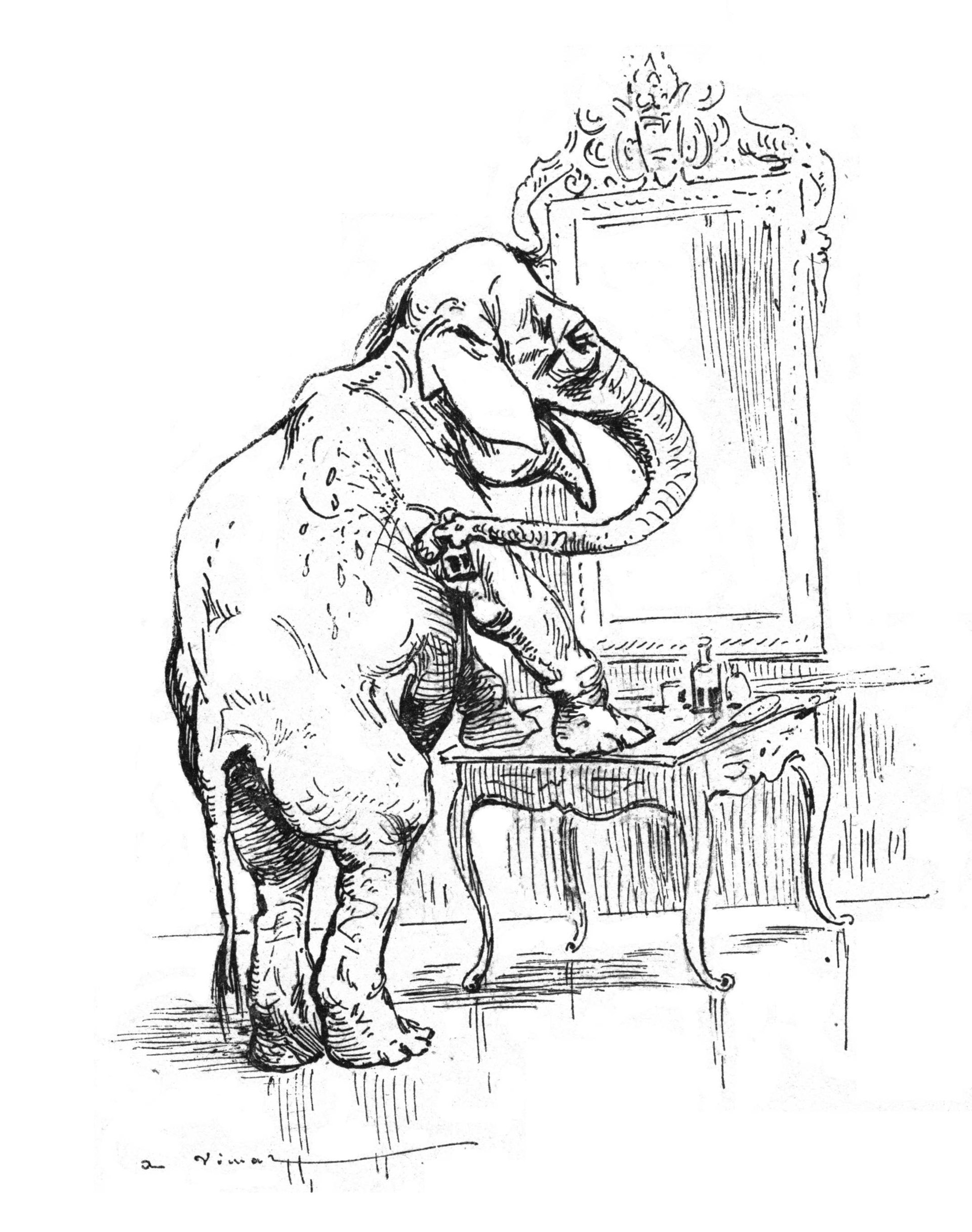
Whether animals have conscious experiences, an inner life of feelings and awareness, is a deep and genuinely contested question. That many animals are intelligent and feel pain seems clear, but the nature and extent of animal consciousness remain hotly debated by scientists and philosophers.
Many animals show remarkable abilities. Great apes use tools and learn sign language, dolphins and elephants appear to recognize themselves in mirrors, crows solve complex puzzles, and octopuses display startling problem solving. Such behaviour strongly suggests rich inner processing, and perhaps genuine experience.
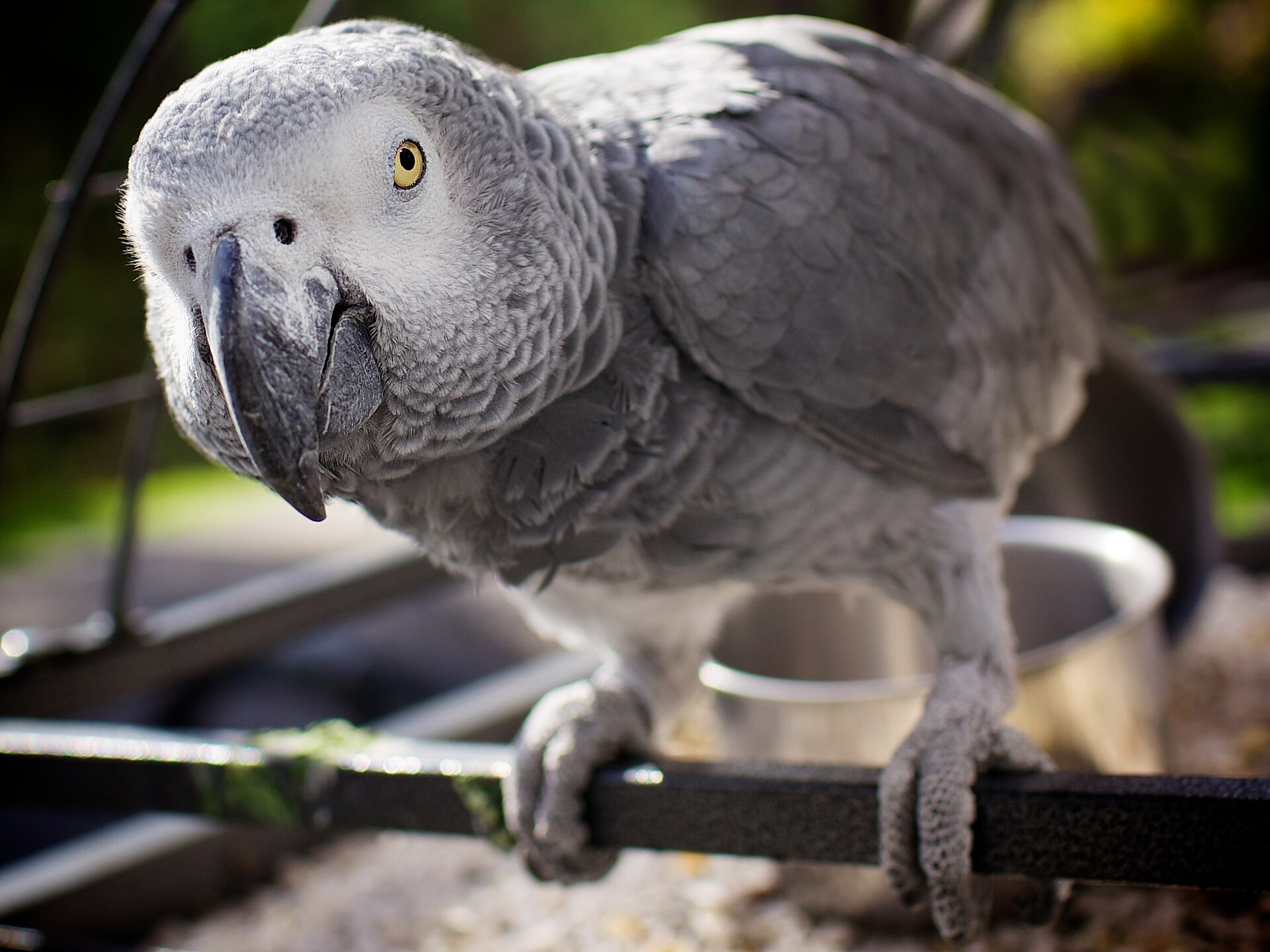
The difficult question is not whether animals are clever, but whether, and how vividly, they actually experience the world, rather than simply responding to it like sophisticated machines. Does a dog feel joy, or merely act joyful? This is the riddle at the heart of the debate.
Views have ranged widely across history. The philosopher René Descartes famously argued that animals were mere unfeeling automata, machines without minds. Others have always felt the opposite, that the animals around us clearly have feelings. The truth has proven remarkably hard to pin down.

In 2012 a group of prominent scientists issued the Cambridge Declaration on Consciousness, stating that many animals, including all mammals and birds and even creatures like the octopus, possess the brain structures and capacities that generate consciousness. It was a notable statement, though an interpretation rather than a proof.
Researchers look for indirect signs of conscious experience: animals that nurse injuries, that show what looks like grief or play, that make trade offs suggesting they weigh pain against reward, or that act on flexible plans rather than fixed instinct. Such signs are suggestive, but they fall short of certainty.
The core difficulty is that we cannot directly access another being's experience, not even another person's, let alone an animal's. We infer consciousness from behaviour and brain structure, but we can never crawl inside another mind to check. This "problem of other minds" makes the question profoundly hard.
Even if many animals are conscious, where does experience begin? Few doubt that a chimpanzee feels, but what of a fish, an insect, or a worm? Drawing the line between minds and mere mechanisms, somewhere down the great chain of life, is one of the thorniest parts of the debate.
The question is not merely academic. How we answer it shapes how we treat animals, in farms, laboratories, and the wild. Yet it touches one of the hardest problems in all of science, the nature of subjective experience itself, which is why the consciousness of animals remains genuinely open.
