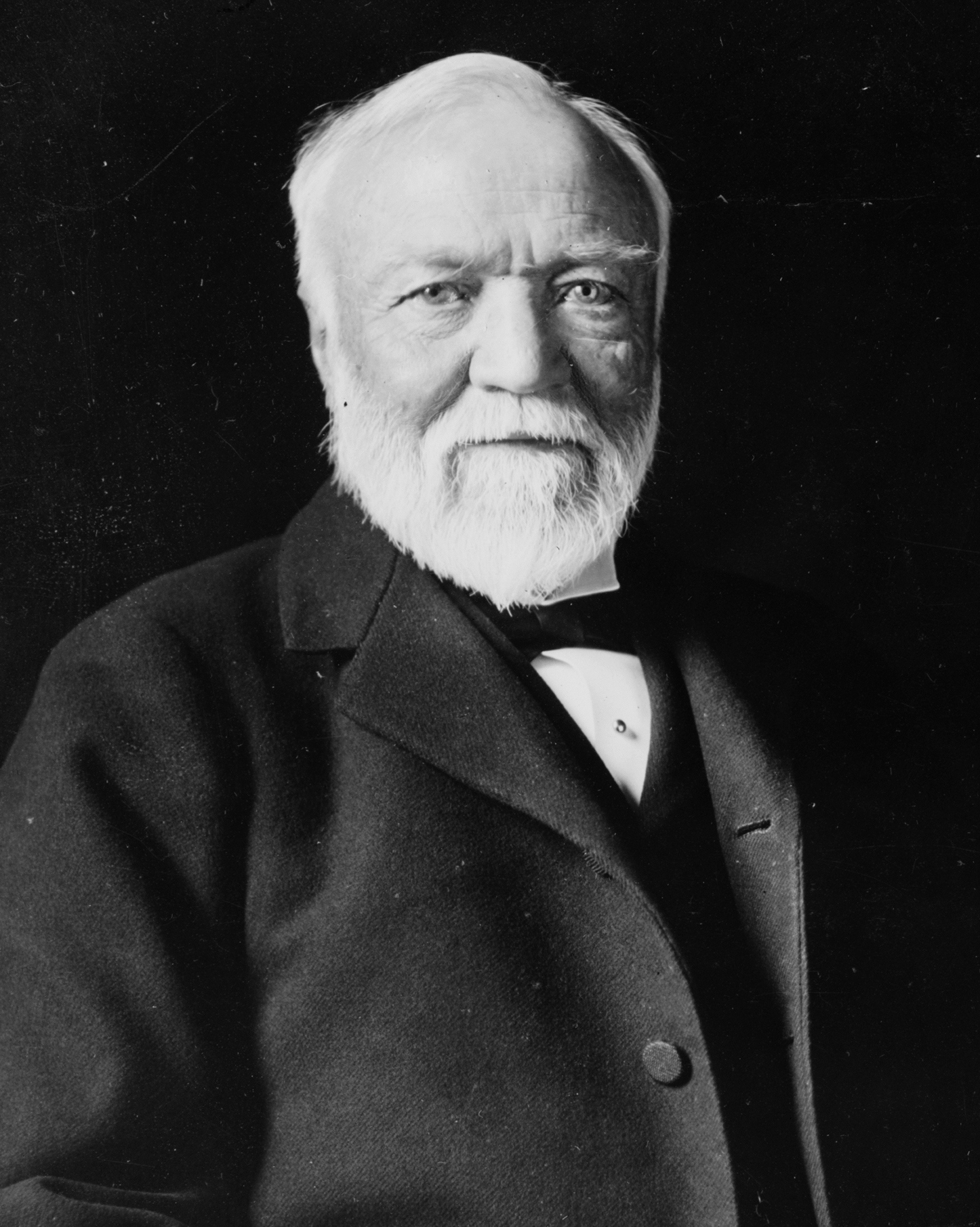
Andrew Carnegie was a Scottish American industrialist who led the enormous expansion of the American steel industry in the late nineteenth century and then became one of the most influential philanthropists in history. Born in 1835 in Dunfermline, Scotland, he emigrated to the United States as a poor boy in 1848.
Carnegie's family left Scotland when the handloom weaving trade that supported his father collapsed in the face of new machinery. They settled near Pittsburgh, where the young Andrew started work in a cotton mill for poor wages, the family pooling every dollar to survive.
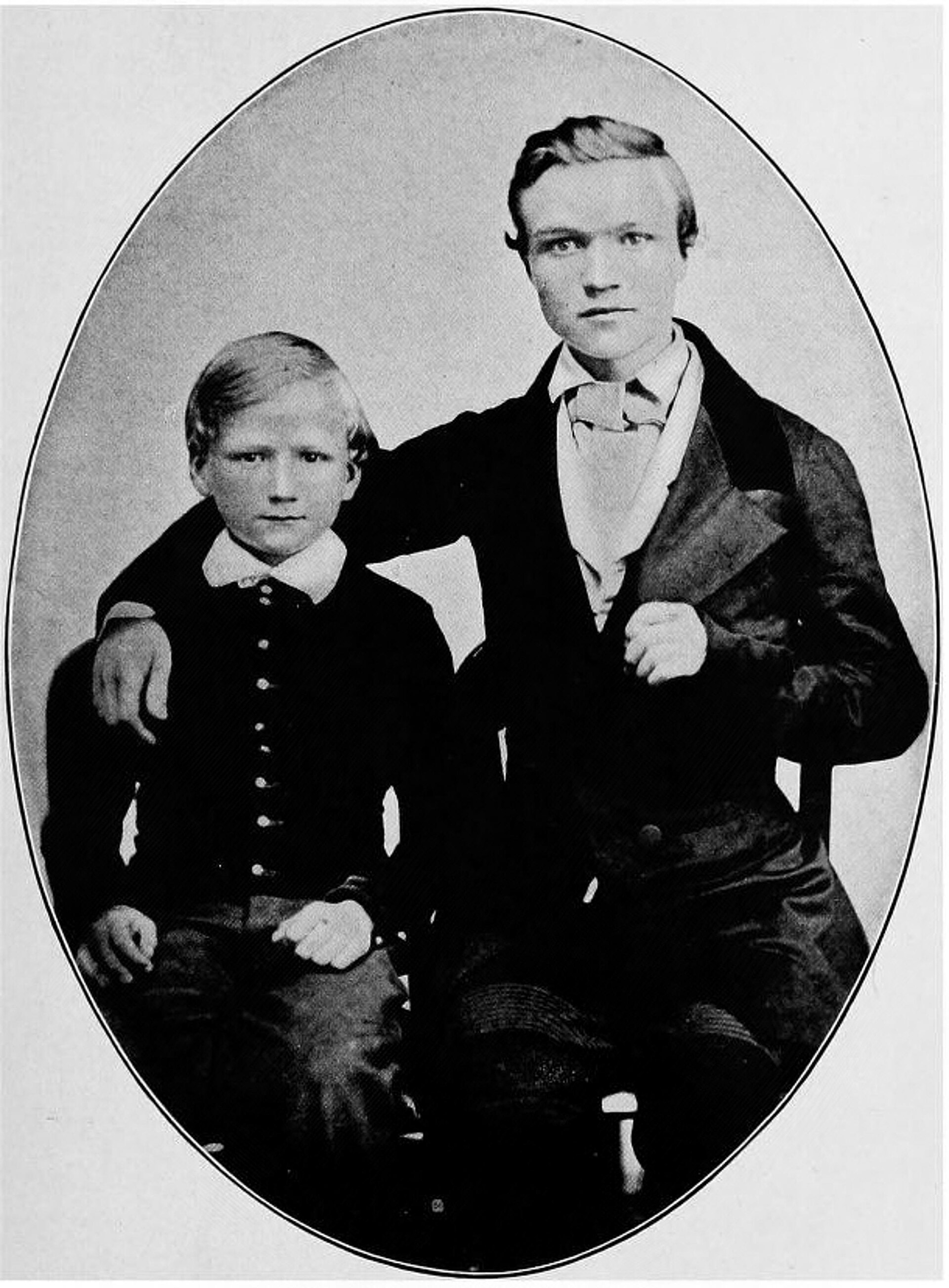
Carnegie moved up quickly, working as a telegraph messenger and then a skilled operator, teaching himself constantly and impressing his employers with his energy and remarkable memory. A local benefactor who opened his private library to working boys gave Carnegie a lifelong faith in the power of books.
A mentor at the Pennsylvania Railroad guided Carnegie into shrewd early investments, including a famous stake in a company making sleeping cars for trains, which returned handsome profits and taught him how capital could multiply on its own.

After the Civil War, Carnegie focused on steel, building Carnegie Steel into the dominant force in American steelmaking by relentlessly adopting new technology, driving down costs, and undercutting rivals. He famously preached watching the costs and letting the profits take care of themselves.
In 1901 Carnegie sold the company to the financier J. P. Morgan, who merged it into the giant U.S. Steel, in a deal that made Carnegie one of the richest men in the world and freed him to devote the rest of his life to giving the money away.
Carnegie's reputation is shadowed by the bitter 1892 Homestead strike at one of his mills, where a violent confrontation between workers and hired guards left people dead. Although Carnegie was abroad at the time, the episode, managed by his partner Henry Clay Frick, complicated his image as a friend of the working man.
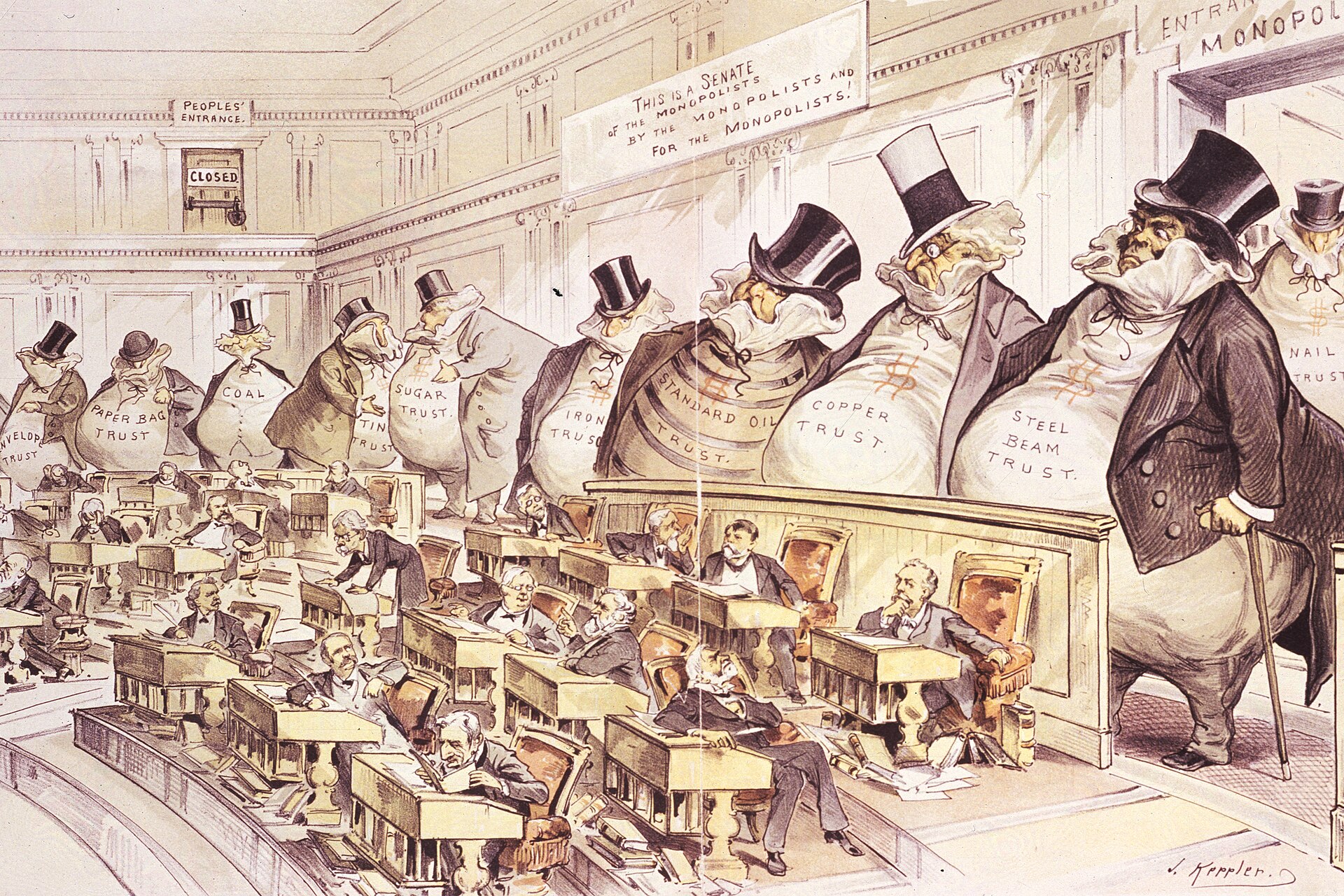
Carnegie argued in his essay "The Gospel of Wealth" that the rich had a moral duty to give their fortunes away within their lifetimes, and he practiced what he preached.
He funded thousands of public libraries across the English speaking world, founded Carnegie Hall and what became Carnegie Mellon University, and endowed institutions for science and world peace. He died in 1919, having given away the bulk of his fortune.
