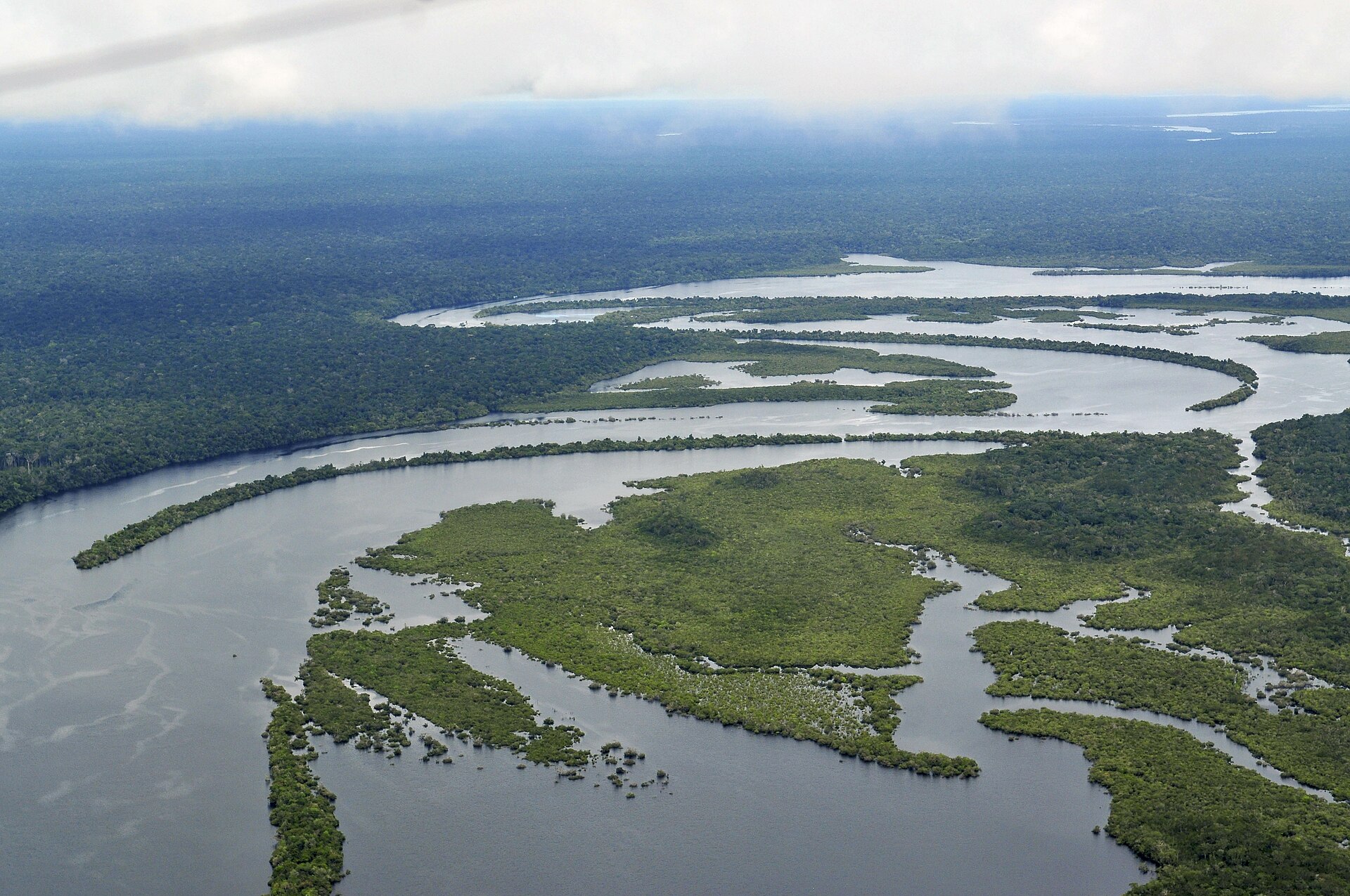
The Amazon Rainforest is the largest tropical rainforest on Earth, a vast sea of green covering some 5.5 million square kilometres across nine South American countries, most of it in Brazil. Drained by the Amazon River, which carries more water than the next several largest rivers combined, it is the richest reservoir of life on the planet and a major force in the global climate.
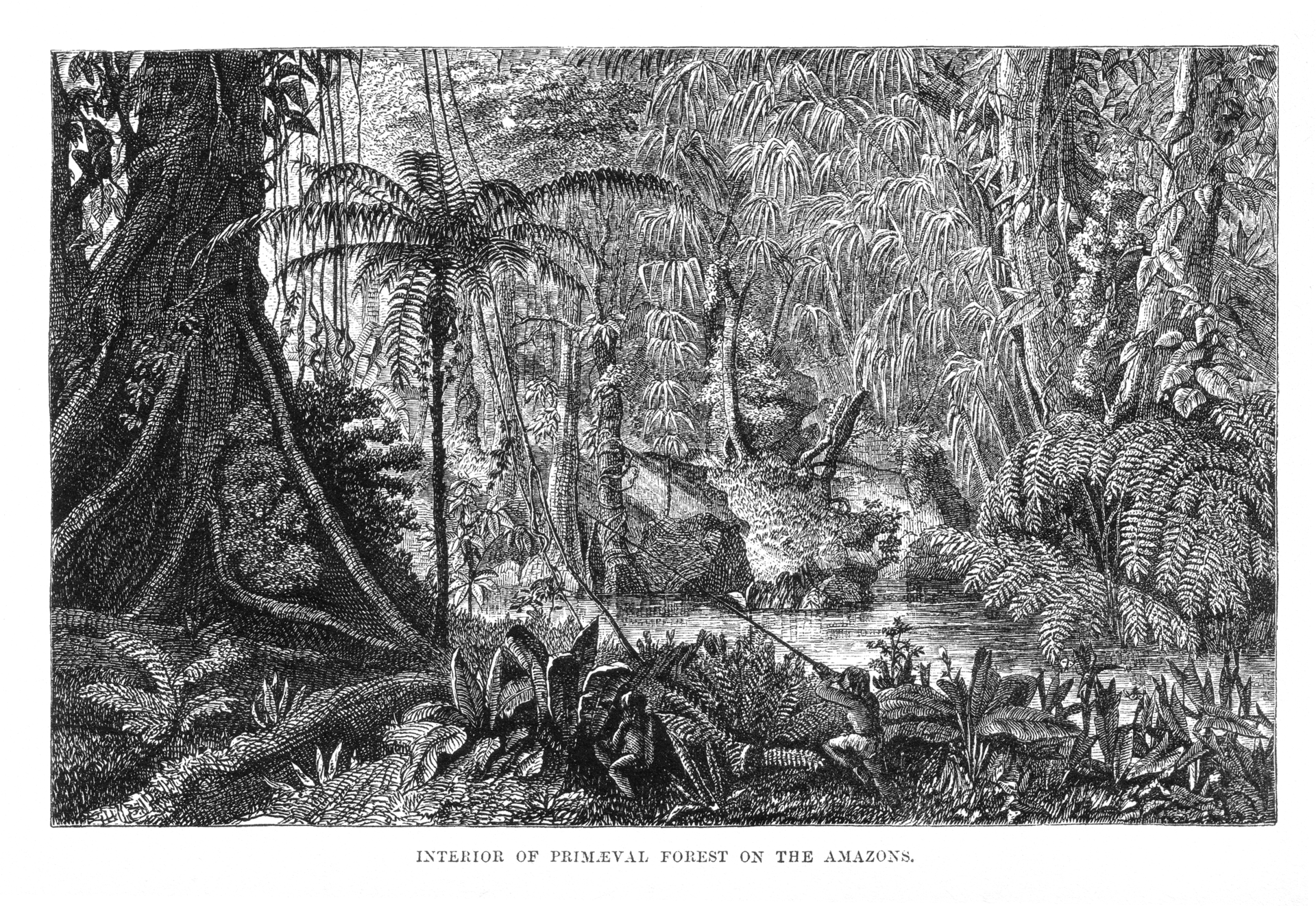
The Amazon is home to an astonishing share of the world's biodiversity. It holds tens of thousands of plant species, millions of kinds of insects, and thousands of birds, fish, mammals, reptiles, and amphibians, many of them found nowhere else. Its layered structure, from the dim forest floor up through the understorey to the sunlit canopy and the occasional emergent giant, creates countless distinct habitats, each packed with specialised life.
That richness has drawn explorers and scientists for centuries. The Victorian naturalist Henry Walter Bates spent eleven years on the Amazon in the mid-1800s and brought back thousands of species new to science, and his observations of insects mimicking one another became important early evidence for evolution by natural selection.
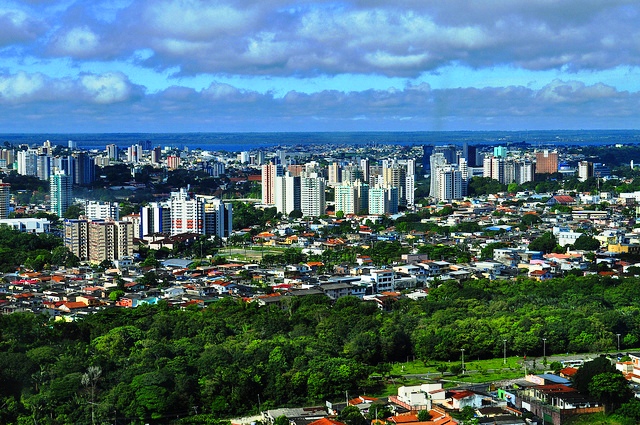
The Amazon is not pure wilderness. Large cities sit deep within it, the largest being Manaus, a metropolis of more than two million people in the heart of the Brazilian rainforest, reachable mainly by river and air. Millions of people live and work across the basin, and balancing their needs with the forest's survival is part of the Amazon's challenge.
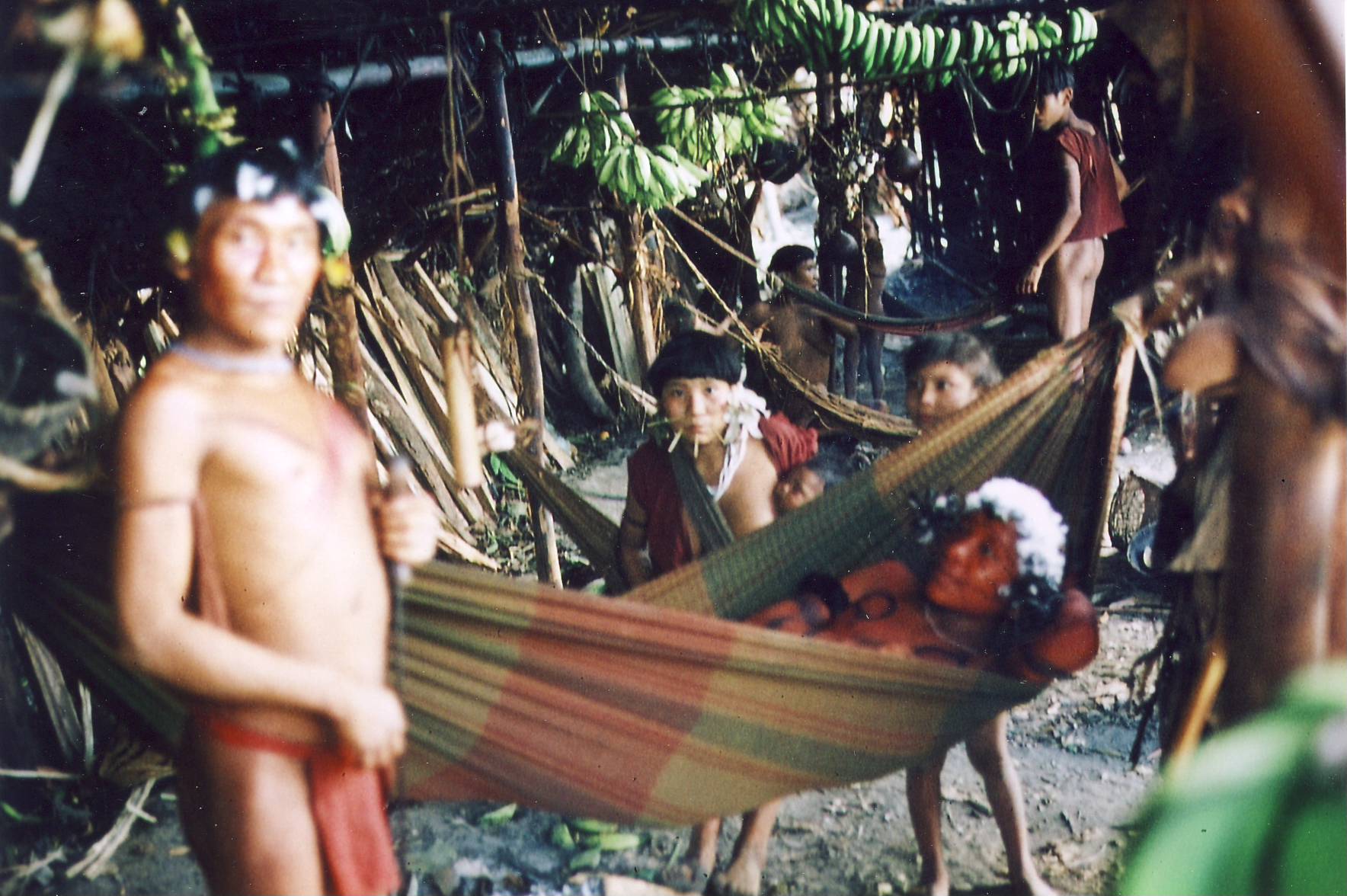
The Amazon is also a homeland. Indigenous peoples have lived in and shaped the forest for thousands of years, and hundreds of distinct groups remain today, including some that have chosen to avoid contact with the outside world. Their knowledge of the forest's plants and animals is profound, and evidence suggests that long-ago societies actively cultivated and enriched parts of the forest.
The Amazon plays an outsized role in the Earth's systems. Its trees store an enormous amount of carbon, and through transpiration the forest releases vast quantities of water vapour that form "flying rivers" of moisture, generating rainfall far beyond the basin itself. For these reasons it is often, if loosely, called the "lungs of the planet," though its main value lies in storing carbon and recycling water.
Because the forest largely makes its own rain, it depends on staying whole. If too much is cleared, the recycling of moisture weakens, and scientists warn that beyond a certain point large stretches could dry out and tip from rainforest into savanna, a change that would be very hard to reverse.
The Amazon faces severe and accelerating threats. Logging, cattle ranching, soy farming, mining, and road-building have cleared and fragmented huge areas, and the resulting fires and drought push the forest closer to that tipping point. Protecting the Amazon, by curbing deforestation, supporting Indigenous land rights, and valuing the forest standing, has become one of the central environmental challenges of the century.
