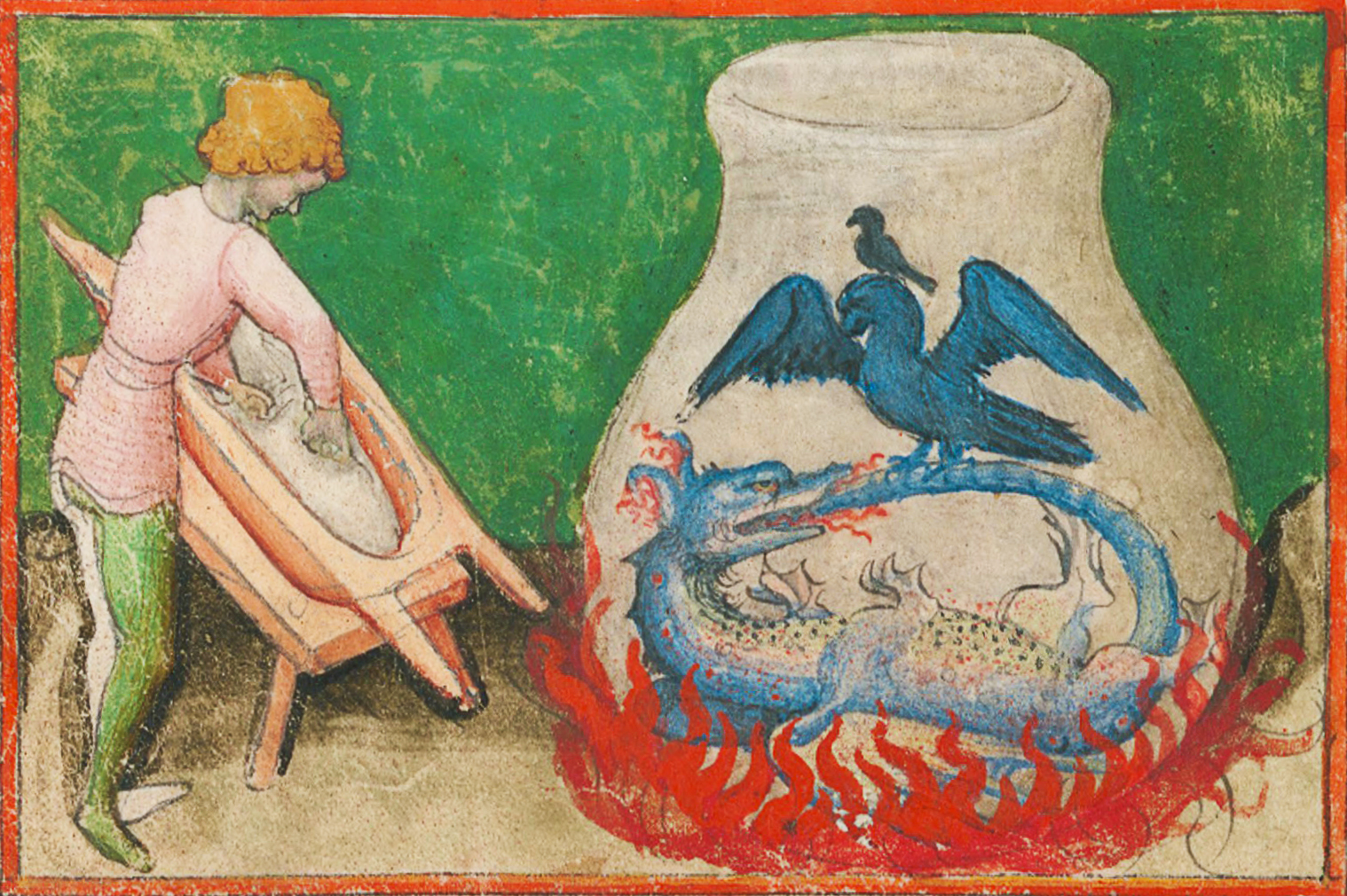
Alchemy was an ancient and medieval practice that sought to transform base metals such as lead into gold, to discover a universal cure for disease, and even to find the secret of eternal life. Its central goals were never achievable, and alchemy has been thoroughly debunked, yet it played a surprising role in the birth of real science.
Alchemists believed that all matter was made of a few basic principles that could be rearranged, and that with the right process ordinary metals could be perfected into gold. Gold was seen not just as wealth but as a symbol of purity and perfection, the natural end point toward which all metals were thought to be slowly striving.
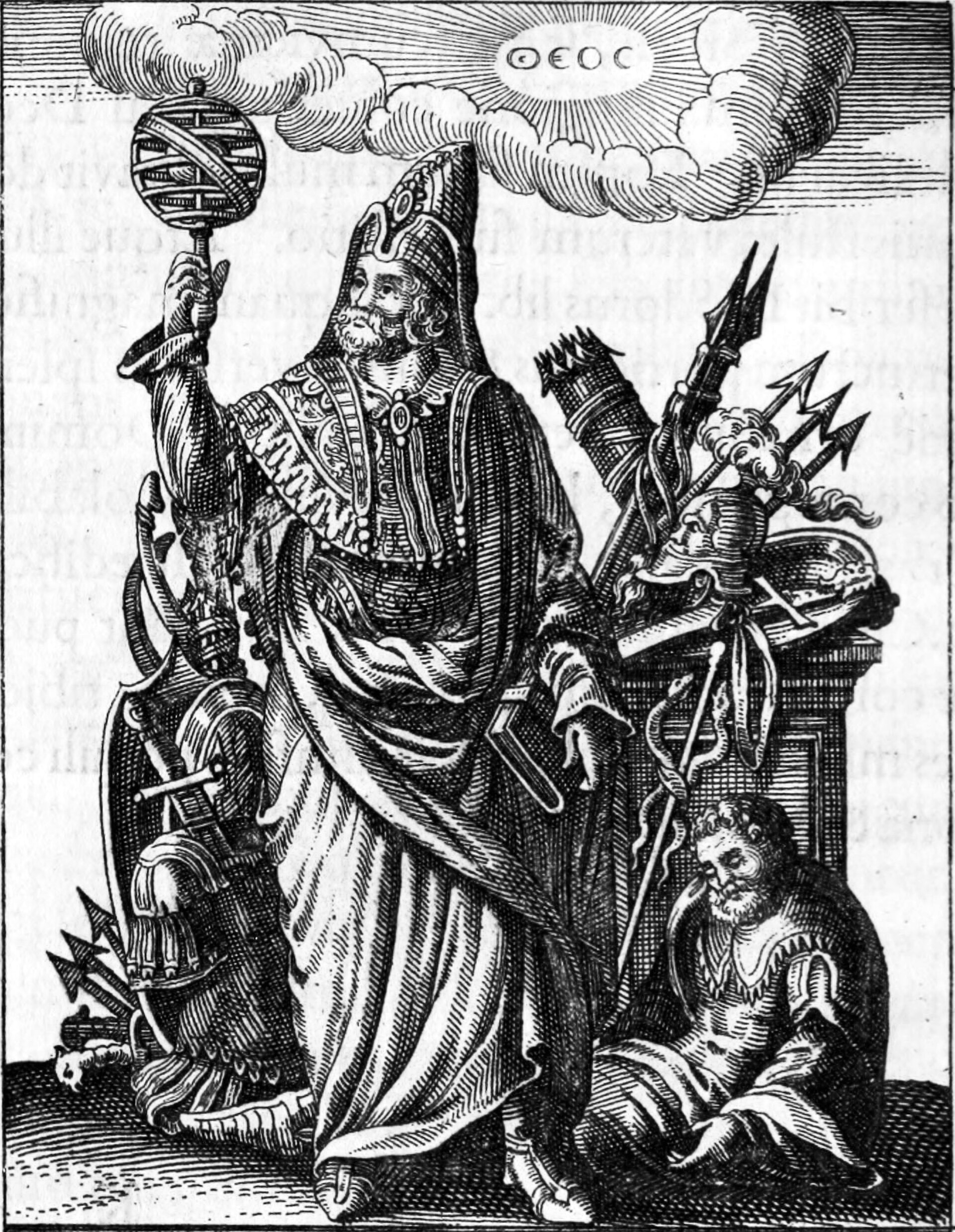
At the centre of the alchemists' quest was a legendary substance called the philosopher's stone, believed to be able to turn base metals into gold and, in some traditions, to cure all illness and grant long life. The search for this fabled material consumed lifetimes and fortunes, though no one ever found it.
Alchemy mixed practical laboratory work with mysticism, astrology, and religious symbolism. Its practitioners recorded their methods in deliberately obscure, coded language and elaborate allegorical images, both to guard their secrets and because they saw their work as a spiritual as much as a material pursuit.
The core aim of alchemy, transmuting one metal into another by chemical means, is impossible. Chemical reactions only rearrange atoms; they cannot change one element into another, because that would require altering the atomic nucleus itself. Turning lead into gold by mixing and heating is simply beyond the reach of chemistry.
The philosopher's stone and the elixir of life were equally beyond reach, resting on misunderstandings of how matter and the body work. Centuries of dedicated effort produced no gold and no immortality, because the goals themselves were based on false ideas about nature.
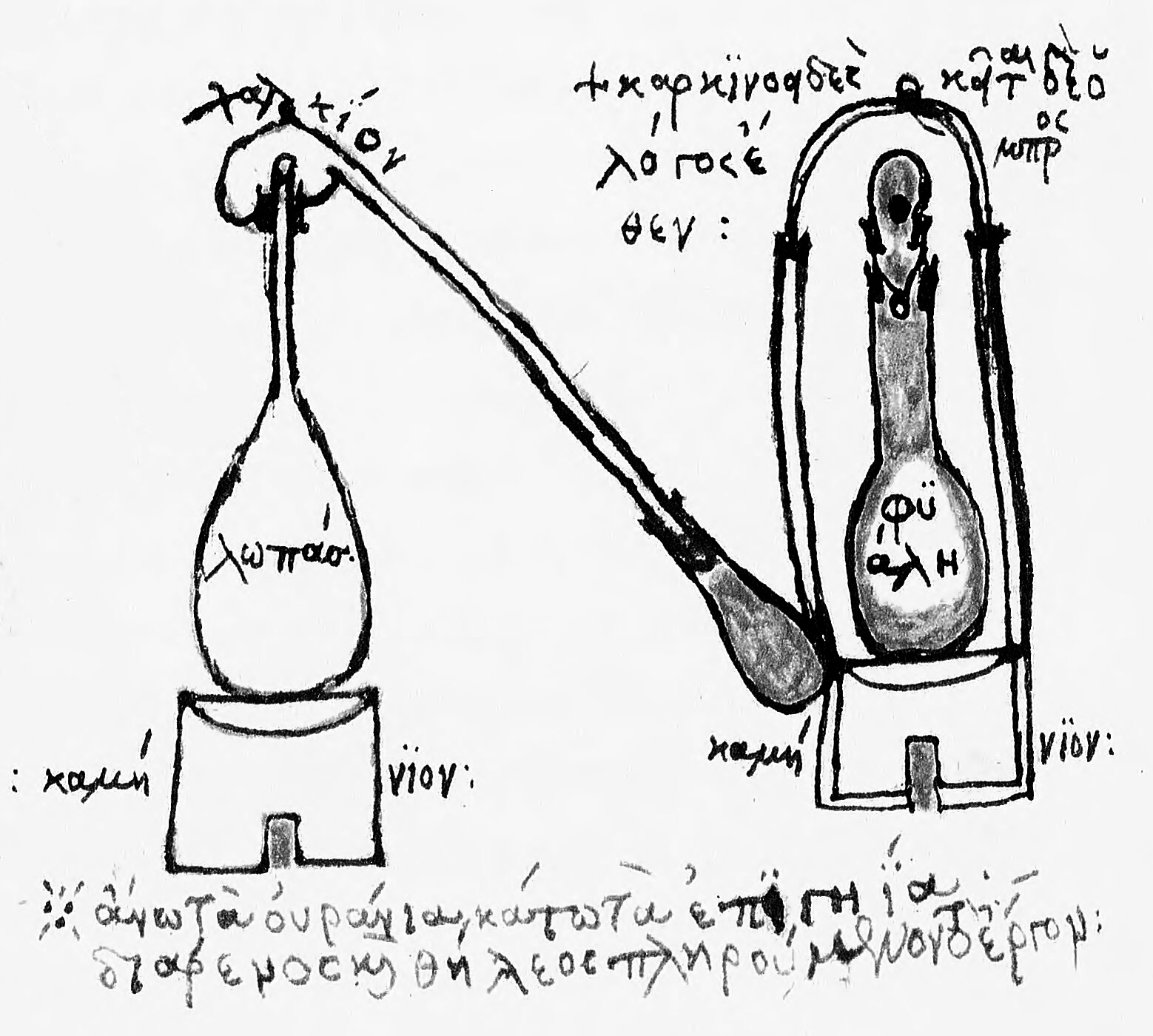
Although its goals were misguided, alchemy was not entirely wasted. In pursuing their dreams, alchemists developed real laboratory techniques, built apparatus, and discovered genuine substances and reactions. They learned to distil, dissolve, and purify, building practical knowledge that would later feed into chemistry.
The transition was gradual. Figures such as Isaac Newton spent years on alchemy, and the great experimenter Robert Boyle helped move the field toward genuine science by insisting on careful method. By the eighteenth century, the careful measurement of Lavoisier and others had replaced mysticism, and chemistry emerged.
Alchemy itself stands debunked, its central promises impossible. Yet it is remembered as a fascinating chapter in the human attempt to understand and master matter, a dead end that nonetheless helped pave the way for one of our most powerful sciences. Modern physics can, ironically, transmute elements, but only in nuclear reactors, never in an alchemist's furnace.
