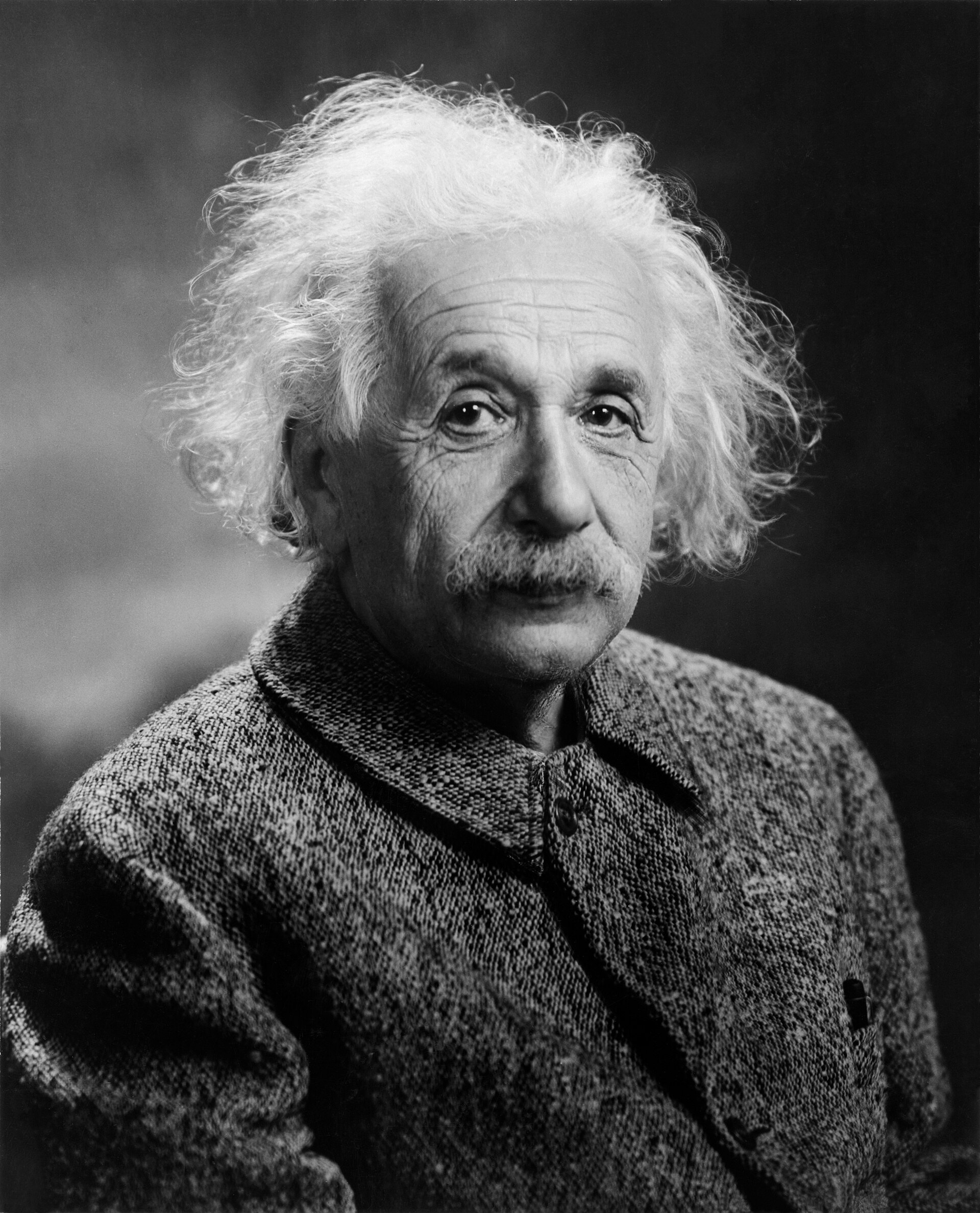
Albert Einstein was a German born theoretical physicist widely regarded as one of the greatest scientists of all time. Born in 1879 in Ulm, he transformed humanity's understanding of space, time, gravity, and the nature of light.
Contrary to a popular myth, the young Einstein was not a poor student, though he chafed against rote learning and rigid authority. He was a quiet, thoughtful child who later said his discoveries grew from holding on to the simple questions of childhood longer than most adults do.
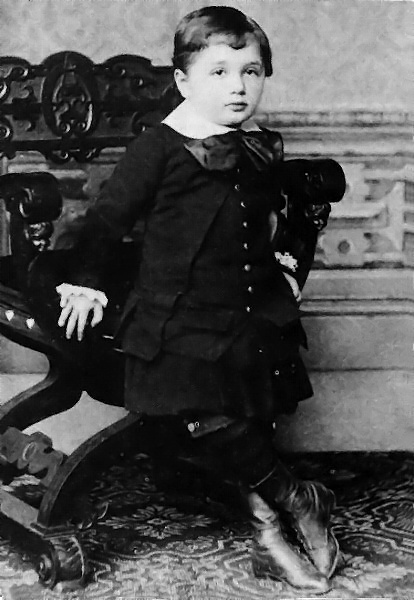
Einstein's father ran an electrical engineering business, and the magnets, dynamos, and currents of that world surrounded him in childhood, foreshadowing the questions about electricity, magnetism, and light that would later consume him.
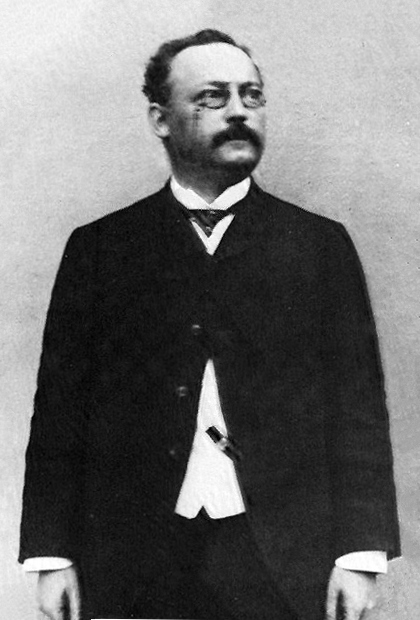
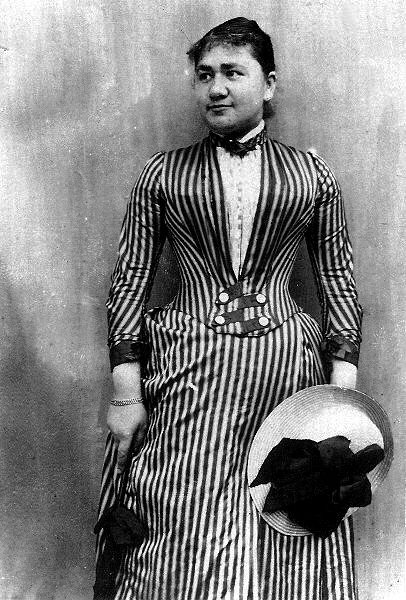
After his family's business failed and he renounced his German citizenship as a teenager, Einstein struggled to find an academic post. With the quiet support of his mother and close friends, he eventually took a job as a clerk in the Swiss patent office in Bern.
In 1905, while still working at the patent office, Einstein published four papers that reshaped physics, introducing special relativity and the famous equation relating energy and mass, and helping launch quantum theory by explaining the photoelectric effect. He did this work in his spare time, outside any university.
In 1915 he completed the general theory of relativity, recasting gravity not as a force but as the curvature of spacetime caused by mass and energy, one of the most profound ideas in the history of science.
When astronomers confirmed its prediction that starlight bends around the Sun during a 1919 eclipse, Einstein became a global celebrity, a status almost unique among scientists. He received the Nobel Prize in Physics in 1921, awarded specifically for his work on the photoelectric effect.
Jewish and outspoken, Einstein left Germany when the Nazis came to power and settled in the United States at Princeton, where he spent the rest of his career. He became a prominent public voice for pacifism and civil rights, and, with deep reluctance, signed the letter that helped spur American atomic research.
Einstein spent his last decades searching, without success, for a unified theory that would tie together the forces of nature, while remaining skeptical of parts of the quantum theory he had helped create. He died in 1955, his name long since synonymous with genius.
