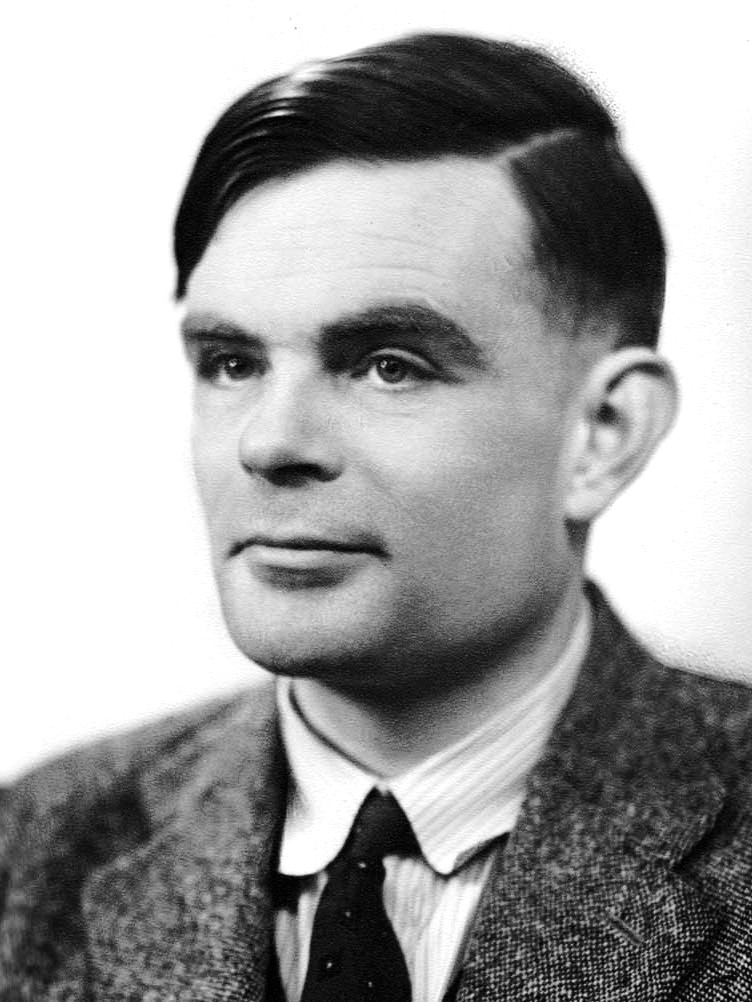
Alan Turing (1912 to 1954) was a British mathematician and logician widely regarded as the father of computer science and artificial intelligence. His ideas laid the theoretical foundations of the modern computer, and his code breaking helped win the Second World War.
Turing was a brilliant but unconventional figure, intensely original and often awkward in society. From an early age he showed a powerful gift for mathematics and a habit of thinking from first principles, ignoring received wisdom to work things out for himself. This independence of mind would lead him to revolutionary ideas.
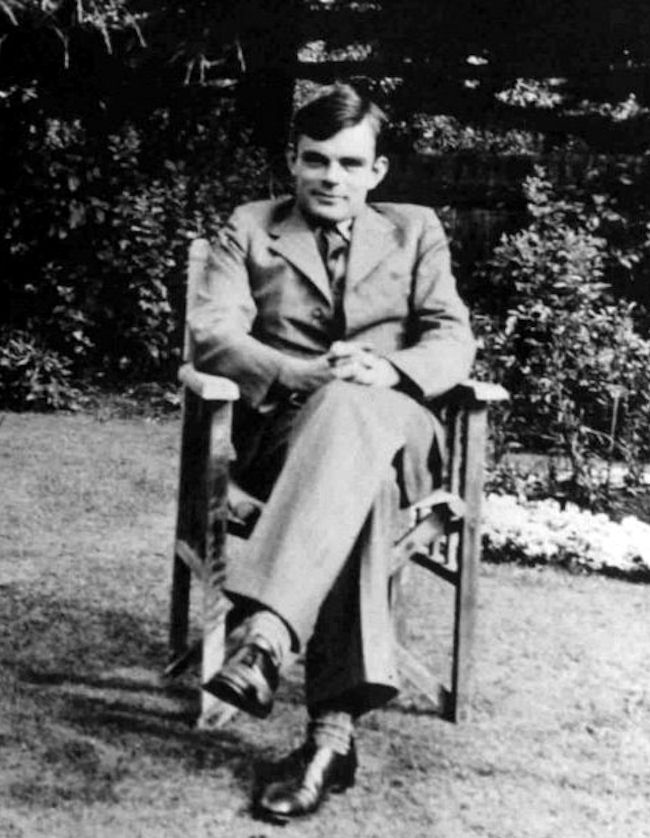
In 1936, while still a young man, Turing imagined an abstract machine, now called the Turing machine, that could carry out any calculation by following simple rules on an endless tape. This idea defined precisely what it means for a problem to be computable and became the theoretical basis for every computer that followed.
Turing's deepest insight was that a single machine could, given the right instructions, do the work of any other, a "universal" machine. This is the founding principle of the modern computer: one device that can run any program. The general purpose computers we use today are, in essence, realizations of his idea.
During the war, Turing worked at Bletchley Park, Britain's secret code breaking centre, where he led efforts to crack the German Enigma cipher. The machines and methods he helped devise allowed the Allies to read enemy messages, a breakthrough historians believe shortened the war by years and saved countless lives.
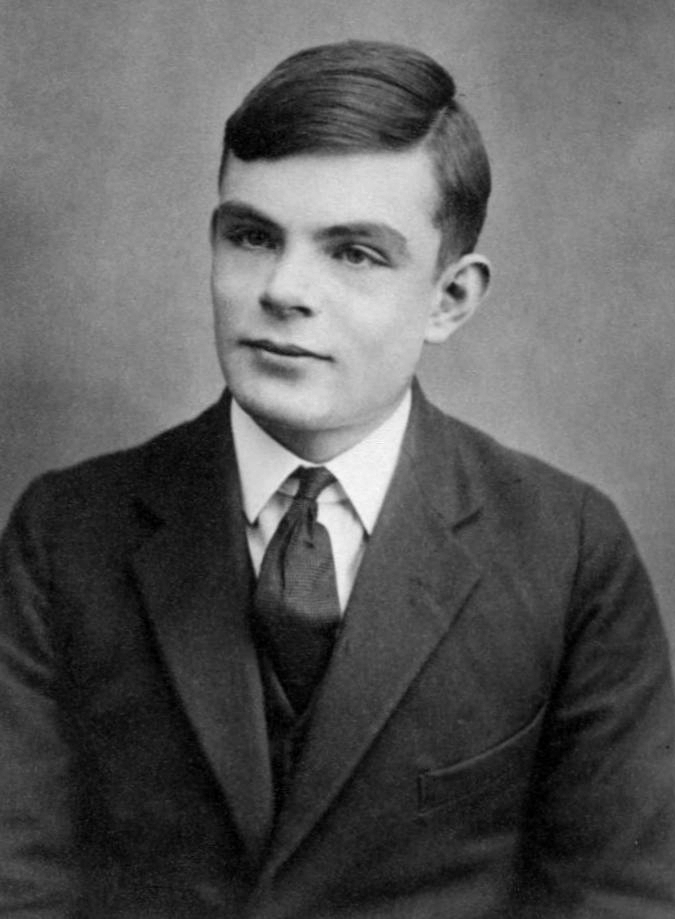
After the war Turing helped design some of the earliest electronic computers, turning his abstract ideas into working machines. He thought deeply about how computers should be built and programmed, contributing to the birth of the practical computing age he had foreseen in theory a decade before.
Turing also asked whether machines could think. He proposed a famous test, now called the Turing test, in which a machine would be judged intelligent if it could converse so well that a person could not tell it from a human. This pioneering question helped found the field of artificial intelligence.
Despite his achievements, Turing was prosecuted in 1952 for being gay, then a crime in Britain, and subjected to a humiliating and harmful medical punishment. A national hero whose work had helped win the war was treated as a criminal for his private life, a cruel injustice that cast a shadow over his final years.
Turing died in 1954, aged just forty one, in circumstances widely believed to be suicide, though some questions remain. His death cut short the life of one of the most original thinkers of the century, at the very dawn of the computer age he had done so much to bring about.
Decades later, the British government issued a formal apology and a royal pardon, acknowledging the wrong done to him, and he now appears on the Bank of England's fifty pound note. Turing is honoured today as a founder of computer science and one of the most important thinkers of the twentieth century.
