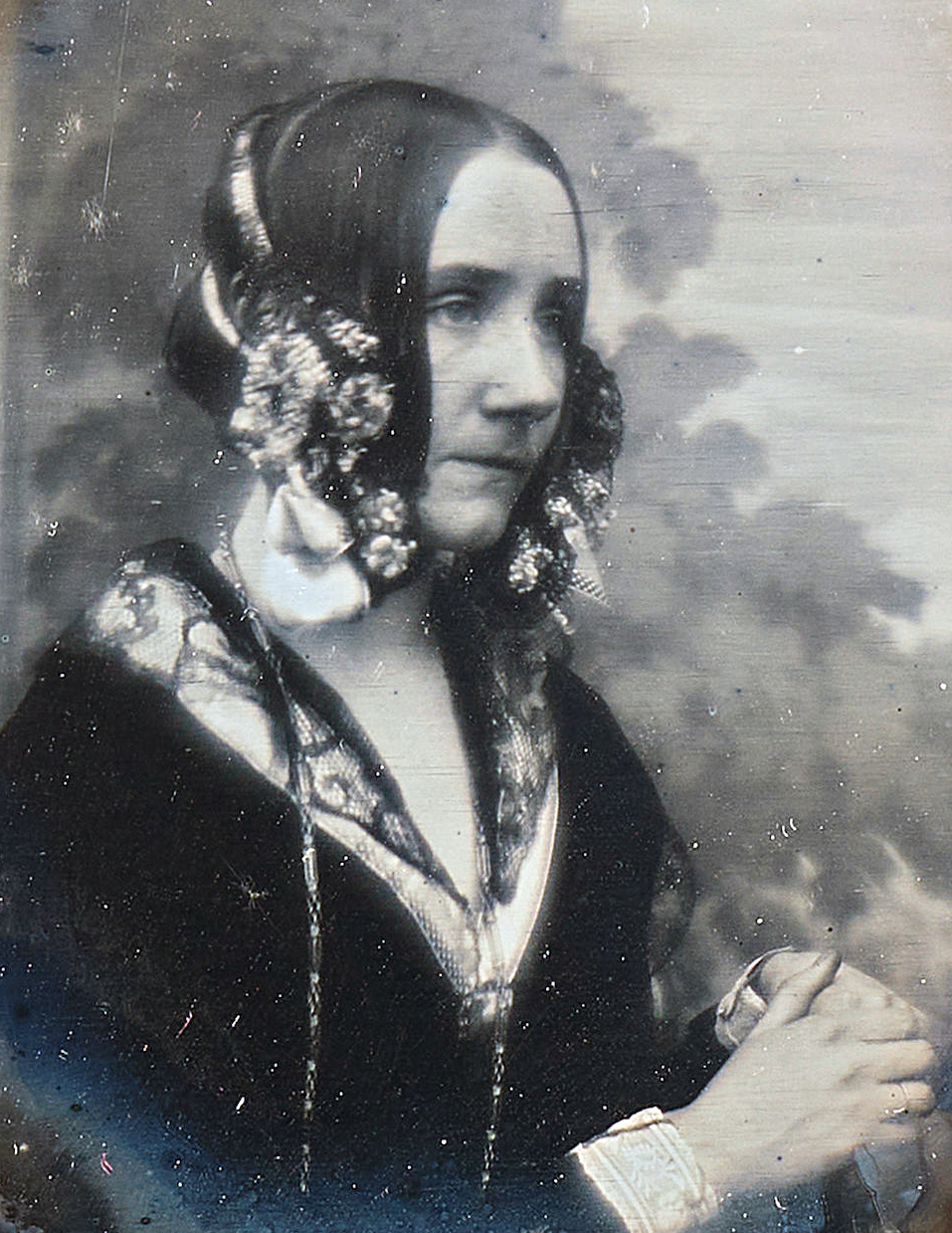
Ada Lovelace (1815 to 1852) was an English mathematician often celebrated as the first computer programmer. Working with Charles Babbage's designs for a mechanical computer, she saw, far ahead of her time, what such machines might one day do.
Ada was the daughter of the famous and scandalous poet Lord Byron, who left soon after her birth. Her mother, fearing the girl might inherit her father's wild temperament, had her educated heavily in mathematics and science, an unusual schooling for a woman of the era, intended to steady her mind.
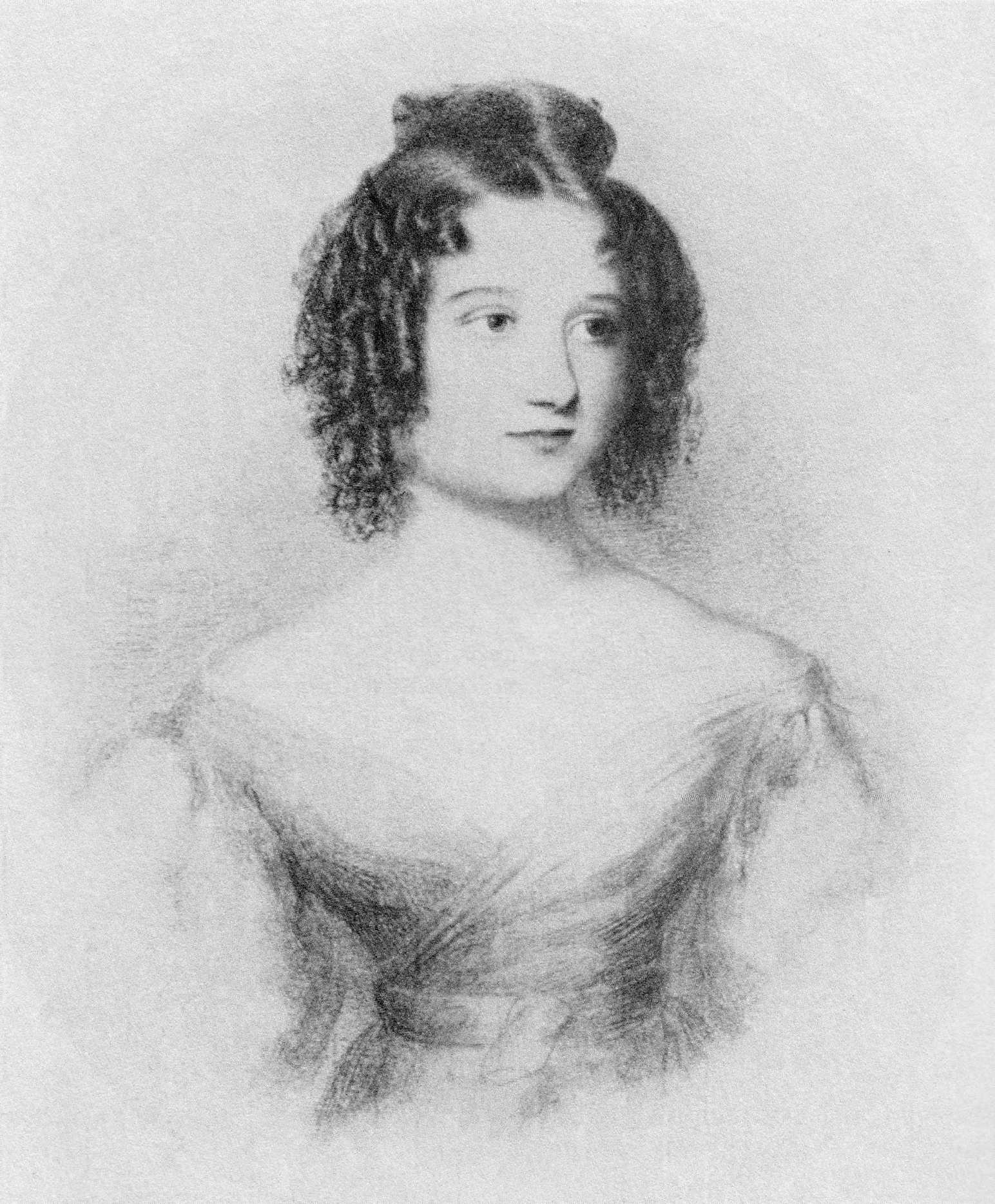
Ada showed real mathematical talent and a vivid imagination, combining rigour with what she called "poetical science," a way of seeing connections others missed. She moved in scientific circles and was determined to make a contribution of her own in an age that offered women few such opportunities.
She became fascinated by the work of Charles Babbage, who had designed an "Analytical Engine," a mechanical, general purpose computer, far ahead of its time, that was never fully built. Lovelace grasped its workings deeply and corresponded with Babbage about what such a machine might achieve.
In 1843, Lovelace translated an article about the Analytical Engine and added her own extensive notes, longer than the original work. In them she wrote out a detailed, step by step method for the machine to compute a sequence of numbers, often regarded as the first published computer algorithm.
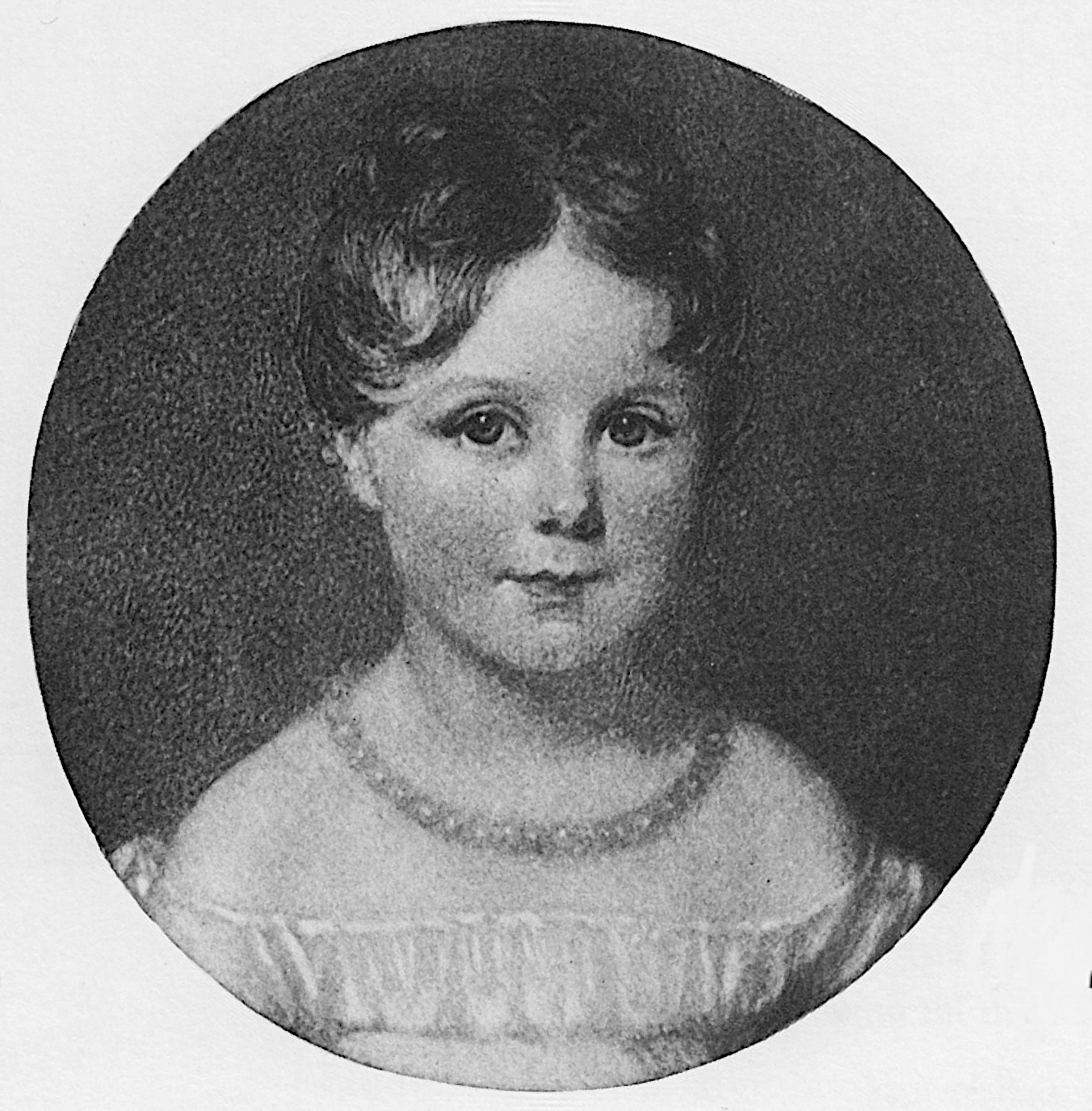
Most strikingly, Lovelace foresaw something Babbage himself had not fully grasped: that such a machine could do far more than crunch numbers. She imagined it might one day manipulate symbols of any kind according to rules, even composing music, anticipating the general purpose computers of today.
She also reflected thoughtfully on the limits of machines, noting that the engine could only do what it was instructed to do and had no power to originate ideas of its own, a remark still quoted in debates about computers and artificial intelligence nearly two centuries later.
Lovelace's scientific work was confined to a brief window, and she died young, at just thirty six, from illness. Her contribution was largely overlooked for many years, her notes treated as a footnote to Babbage's work rather than the visionary insight they contained.
In modern times Lovelace has been rediscovered and celebrated as a pioneer of computing, who saw the potential of the computer a full century before electronic ones existed. A programming language and an annual day celebrating women in science and technology now bear her name, securing her place in history.
