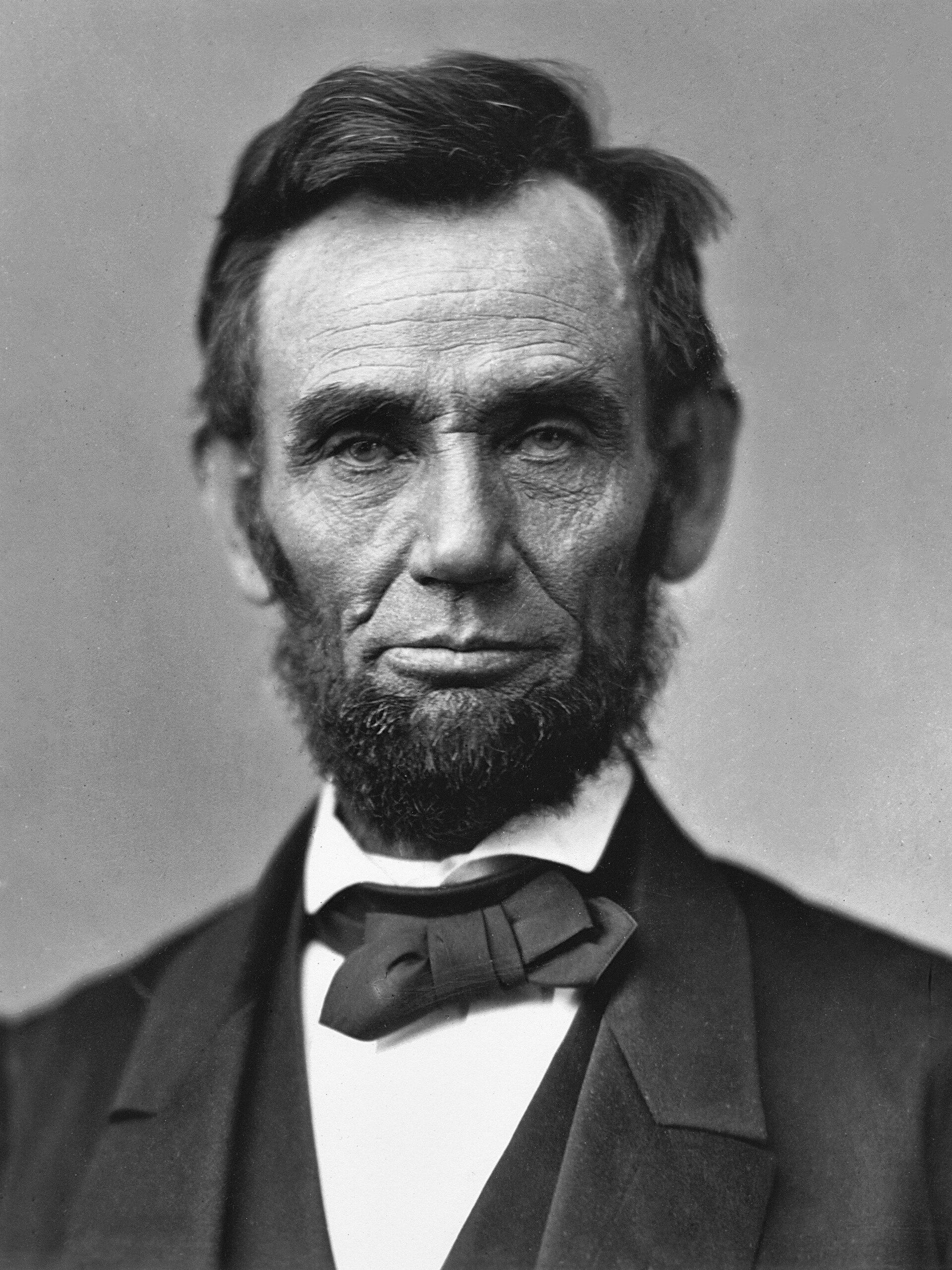
Abraham Lincoln (1809 to 1865) was the sixteenth President of the United States, who led the nation through its civil war and brought an end to slavery. He is widely regarded as one of the greatest American presidents.
Lincoln was born into poverty in a frontier log cabin and had almost no formal schooling, teaching himself by reading borrowed books by firelight. His humble origins and rise through hard work and self education became a central part of his story and of the American ideal he came to embody.
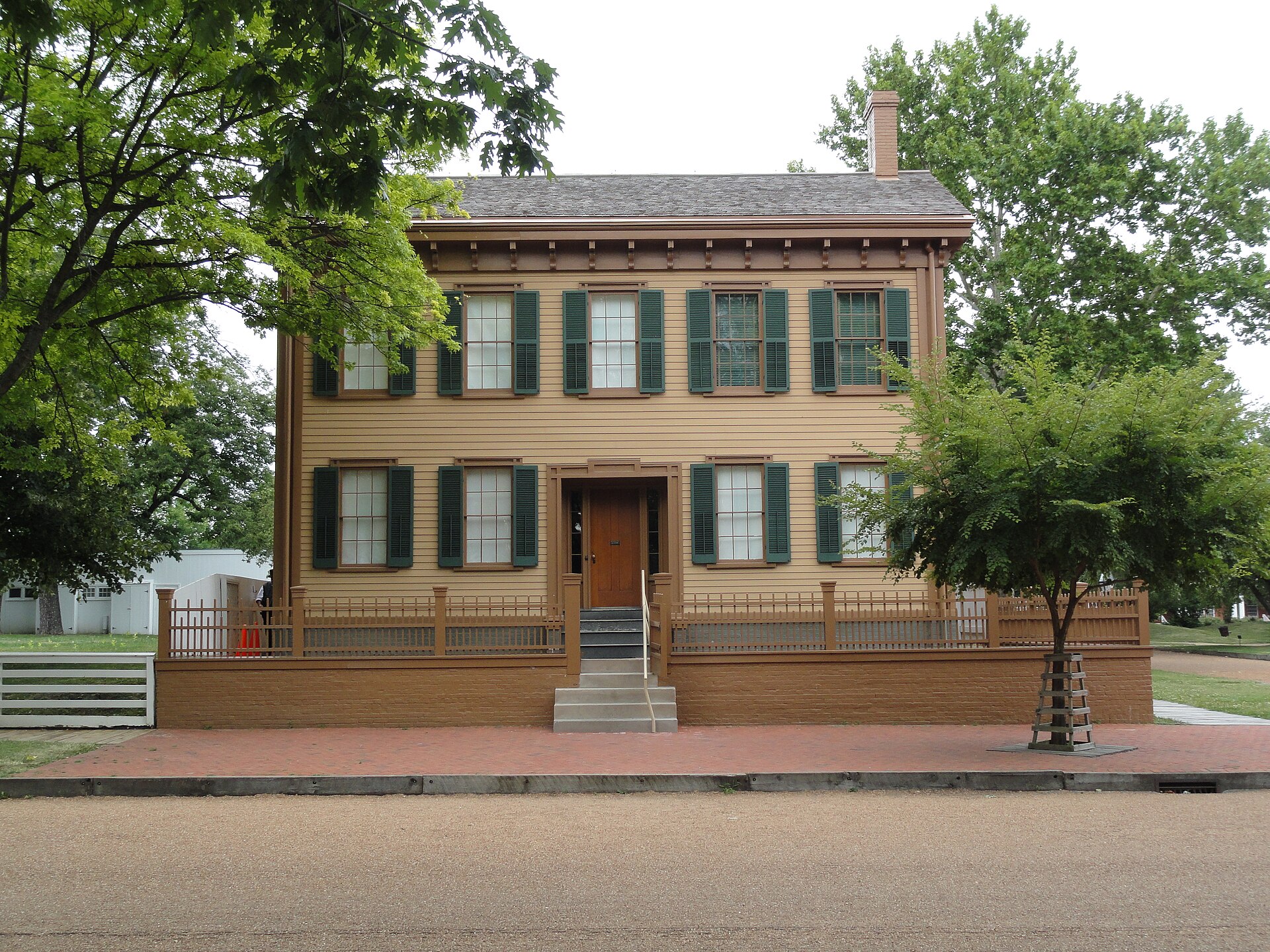
Through determination Lincoln became a respected lawyer and entered politics in Illinois. A gifted speaker with a homespun wit and a gift for moral clarity, he gradually built a reputation, above all through his powerful arguments against the spread of slavery into new territories.
Lincoln was elected president in 1860 as the candidate of the new Republican Party, opposed to the expansion of slavery. His election was the final straw for the southern slaveholding states, several of which seceded from the Union even before he took office, plunging the country toward civil war.
As president, Lincoln was determined above all to preserve the United States as one nation. The Civil War that followed was the bloodiest in the country's history, and Lincoln bore its terrible burden, guiding the war effort, choosing and replacing generals, and holding the divided Union together through dark years of defeat.
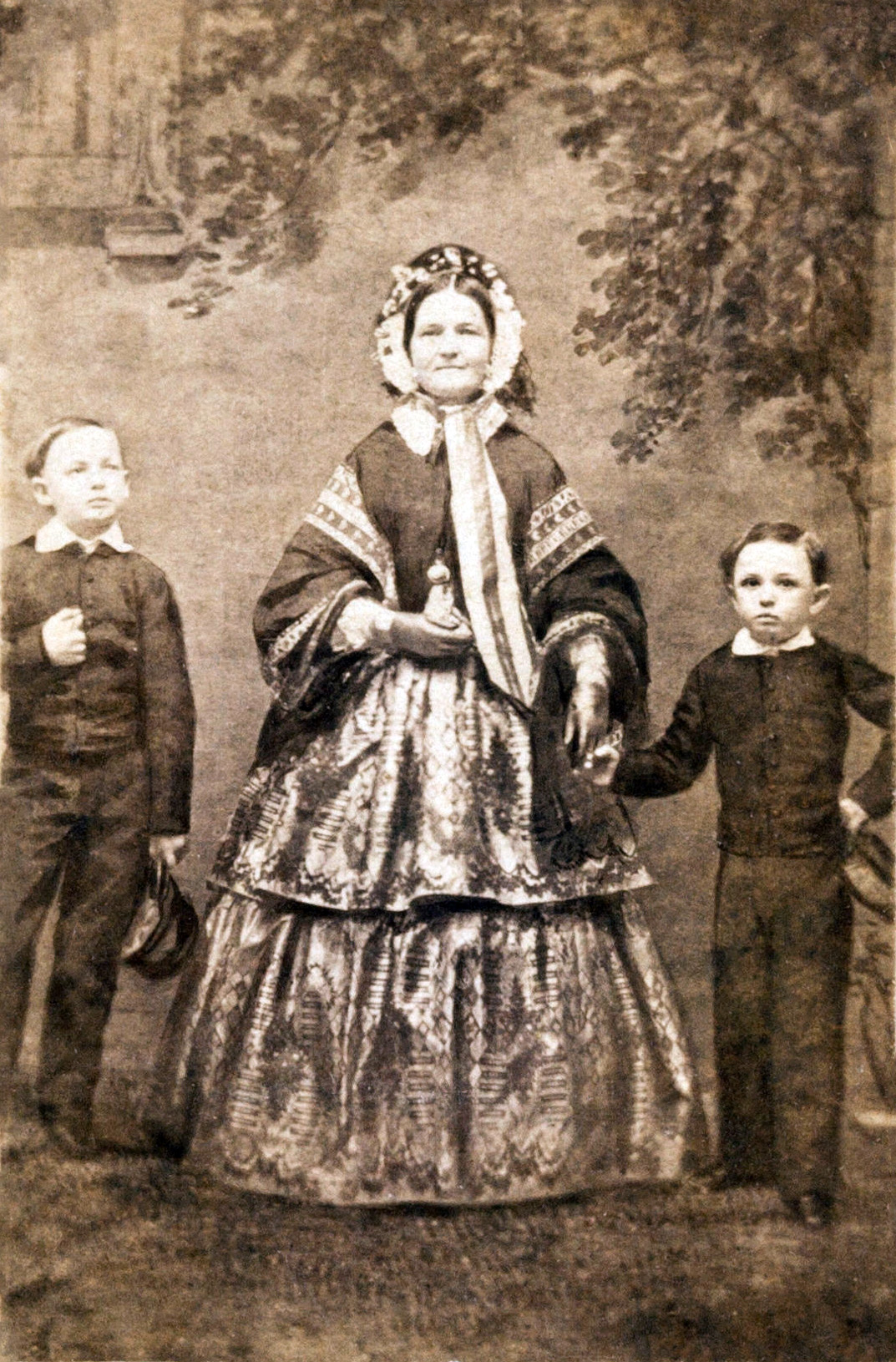
In 1863, at the height of the war, Lincoln issued the Emancipation Proclamation, declaring enslaved people in the rebelling states to be free. It transformed the war into a struggle for human freedom as well as national unity, and it cleared the way for Black men to fight for their own liberation.
That same year, at the dedication of a battlefield cemetery, Lincoln delivered the Gettysburg Address, a speech of just a few minutes that redefined the war's meaning. In simple, soaring words he called for "a new birth of freedom" and government "of the people, by the people, for the people."
Lincoln championed the constitutional amendment that would abolish slavery throughout the country forever, working to secure its passage. Together with the Union's victory, this ensured that the war would end not only the rebellion but the institution of slavery itself, a transformation of the nation.
The Union won the war in 1865, preserving the country and ending slavery. But Lincoln's triumph was brief. Just days after the war's effective end, he was assassinated at a Washington theatre, the first American president to be killed in office, his death mourned across a grieving nation.
Lincoln is remembered for his leadership through the gravest crisis in his nation's history, his eloquence, and his role in ending slavery. Rising from poverty to save the Union and free millions, he became, in death, an enduring symbol of liberty, democracy, and the better aspirations of his country.
