Abiogenesis is the natural process by which life is thought to have arisen from non living matter, such as simple chemical compounds. How life first began on Earth, somewhere around four billion years ago, is one of the greatest open questions in science, and the leading explanations remain hypotheses under active investigation.
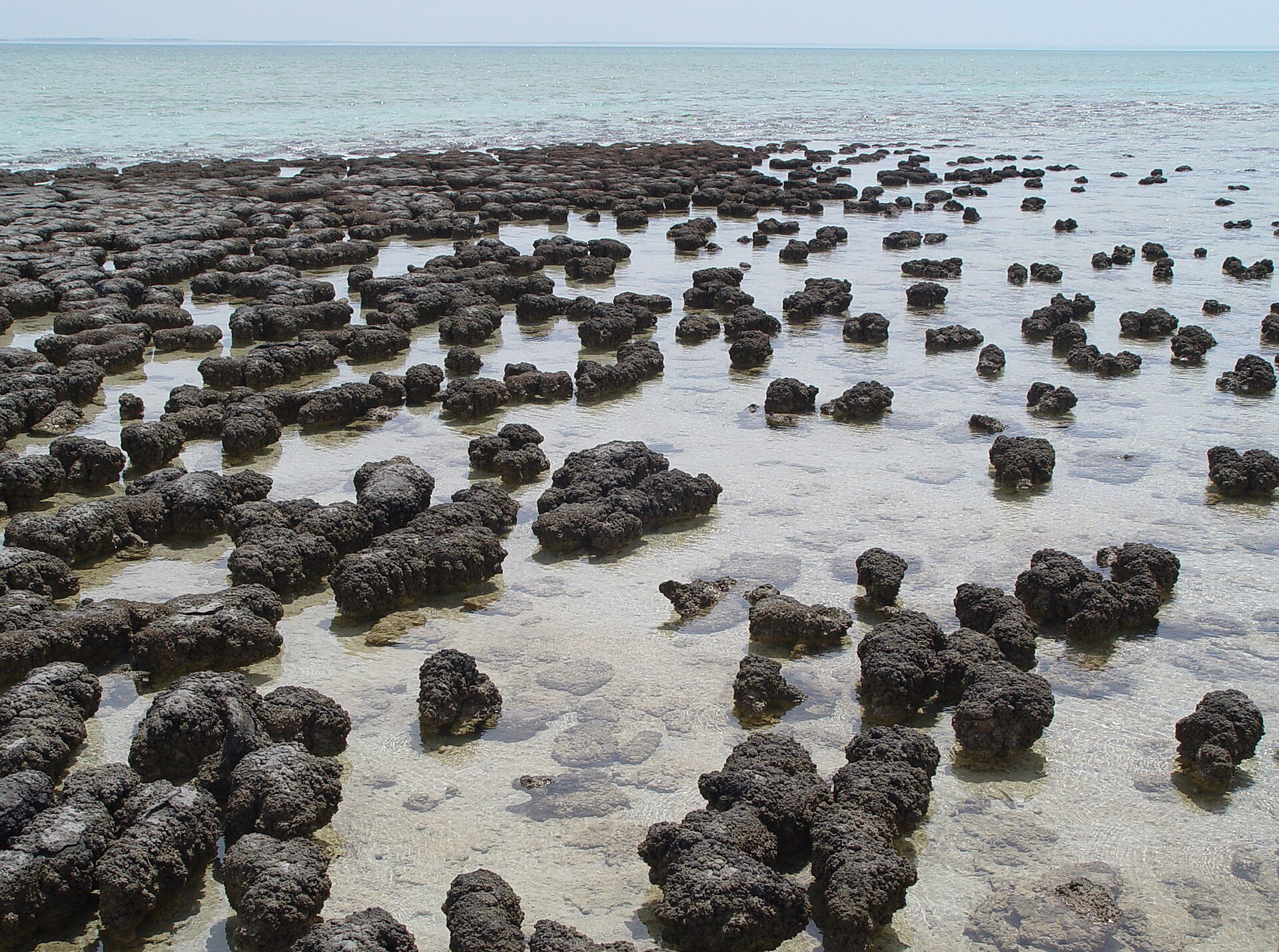
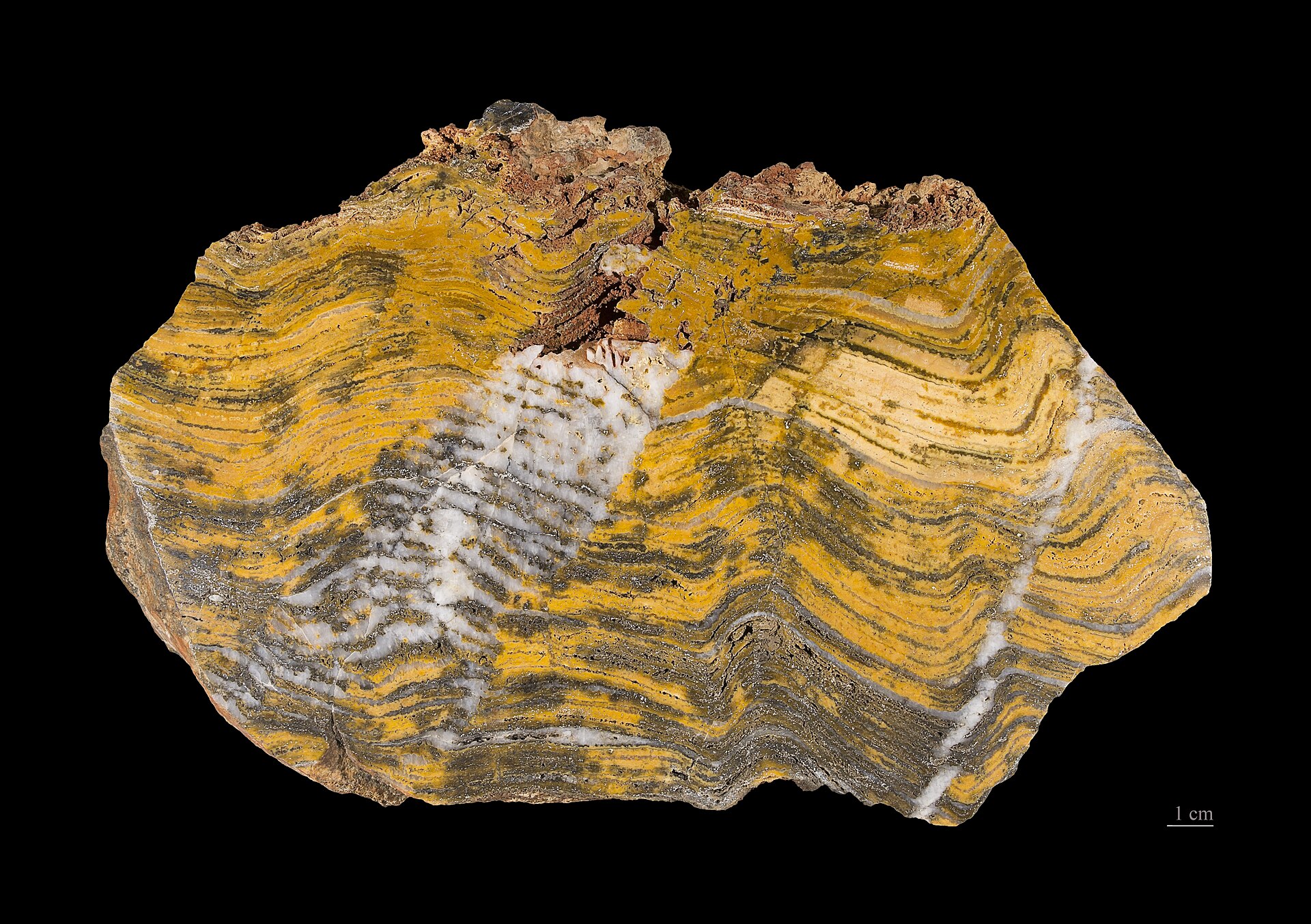
We know that life appeared on Earth remarkably early, within a few hundred million years of the planet becoming hospitable. Ancient rock formations and fossil structures called stromatolites, built by mats of microbes, record the presence of life billions of years ago, showing that the transition from chemistry to biology happened relatively quickly in our planet's history.
The most ancient rocks preserve chemical fingerprints of the early Earth and its first life. Banded iron formations, laid down in the early oceans, capture the changing chemistry of a world that was only beginning to host living things.
We also know that the basic chemical ingredients of life can form on their own. In a famous 1952 experiment, Stanley Miller and Harold Urey passed sparks through a mix of simple gases meant to mimic the early atmosphere and produced amino acids, the components of proteins, from scratch. Such building blocks have since been found in meteorites and interstellar clouds.
What remains unknown is how those building blocks first assembled into something that could copy itself and evolve. The influential RNA world hypothesis proposes that molecules of RNA, which can both store information and speed up reactions, came first, before DNA and proteins, bridging the gap between mere chemistry and true heredity.
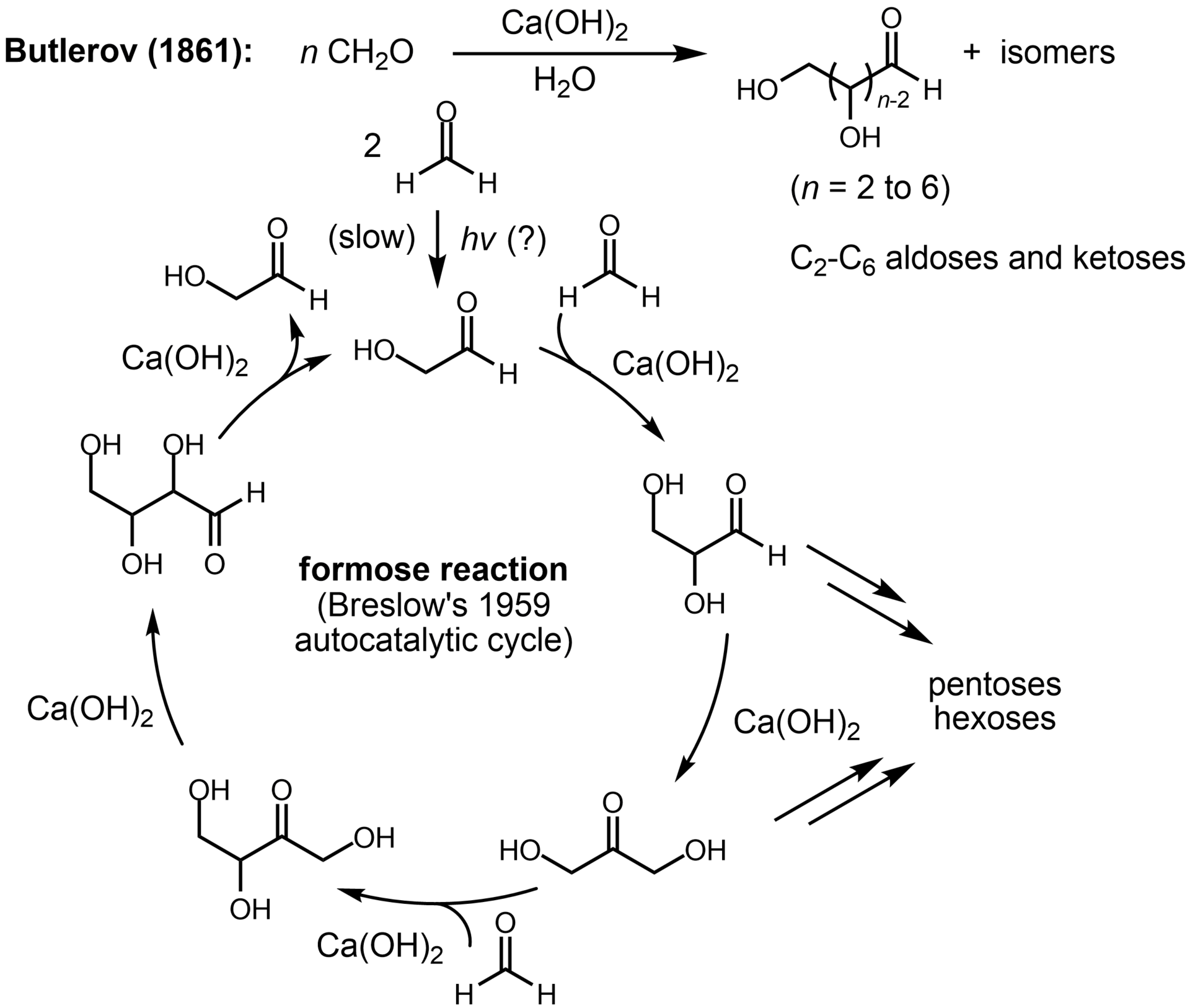
Researchers have identified chemical cycles in which simple molecules can give rise to more complex ones, including the sugars that life depends on, hinting at how a lifeless chemistry might have grown steadily richer over time.
Other hypotheses focus on where life began rather than which molecule came first. Some argue for deep sea hydrothermal vents, where hot mineral rich water meets cold ocean and energy is abundant. Others favor warm volcanic pools at the surface, repeatedly drying and wetting in a way that could concentrate and link molecules.
No one has yet created life from scratch in a laboratory, and the exact path from chemistry to biology has not been retraced. Abiogenesis is therefore not a settled fact but a thriving field of competing hypotheses, where chemists, biologists, and planetary scientists are slowly piecing together how the non living world might have given rise to the living one.
